
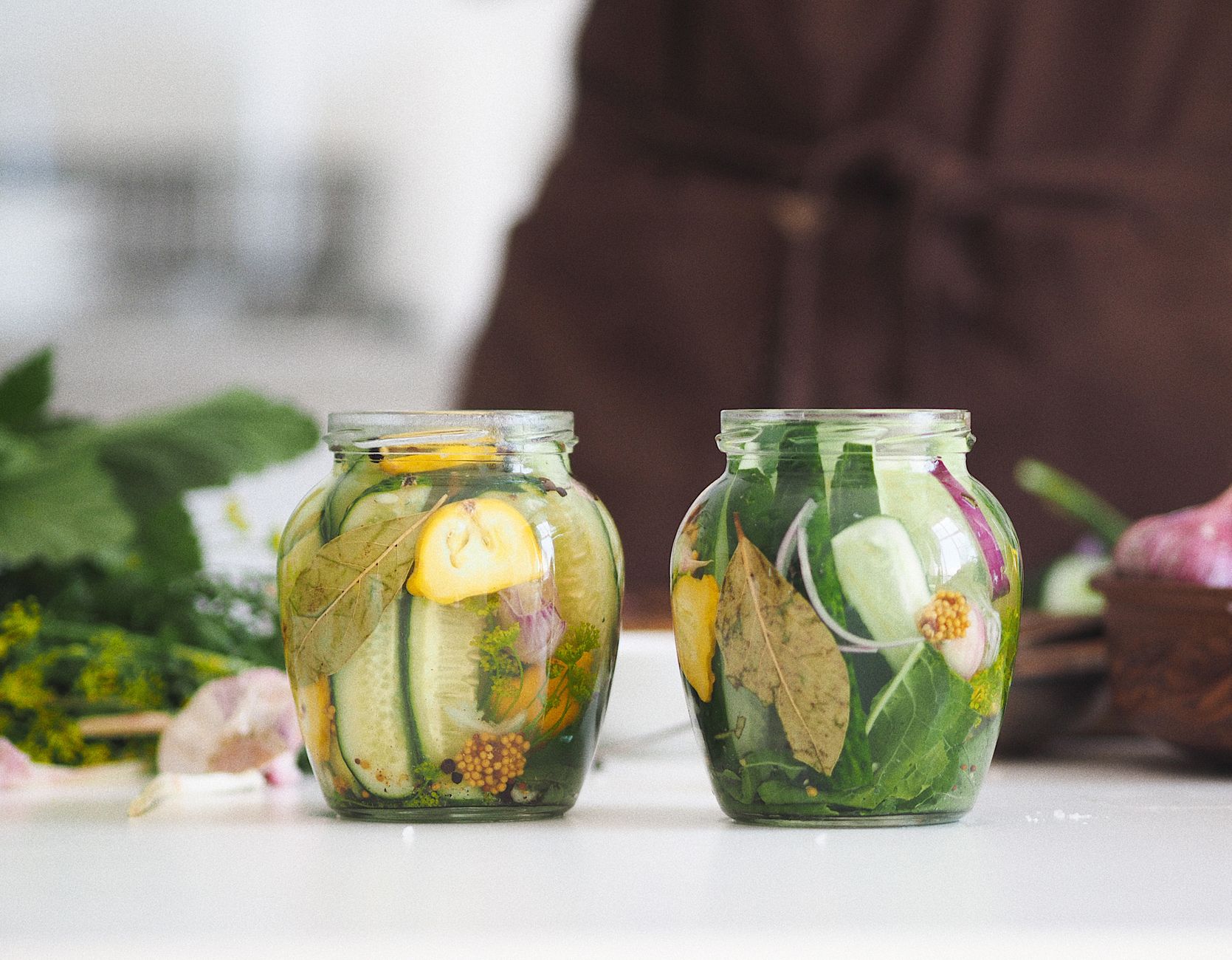
Dill pickle juice has captured the attention of food enthusiasts and health-conscious individuals alike. This tangy liquid, often discarded after enjoying prized dill pickles, is being credited with various potential health benefits. With its unique flavor and intriguing properties, many are asking if dill pickle juice is good for you.
This article explores the nutritional aspects of dill pickle juice, examines its possible health benefits, and suggests ways to incorporate it into your diet while considering appropriate portions. Read on to find out if this briny addition is right for you!
Is Dill Pickle Juice Good for You?
Dill pickle juice offers several nutritional benefits, primarily due to its low calorie count while being rich in electrolytes, particularly sodium and potassium. This can make it beneficial for hydration after exercise. However, moderation is key, as excessive consumption may lead to high sodium intake.
Understanding Dill Pickle Juice
Dill pickle juice is the brine used to soak cucumbers in the pickling process. It typically consists of vinegar, water, salt, and seasonings like dill, garlic, and spices. The combination of ingredients results in a flavorful liquid with a significant amount of sodium and vinegar.
Nutritional Profile
The exact nutritional profile of dill pickle juice can vary based on the recipe used. Generally, a 1-ounce serving (approximately 2 tablespoons) may contain:
- Calories: 5-10
- Sodium: 200-300 mg
- Potassium: 50-100 mg
- Carbohydrates: 1-2 grams
Although it is low in calories, the high sodium content is noteworthy. Regular consumption should be balanced with overall dietary sodium intake.
Potential Health Benefits
Dill pickle juice is often touted for several potential health benefits. It’s important to note that research in some areas is still limited, and individual results may vary.
1. Electrolyte Replenishment
Intense exercise leads to sweating, which can cause a loss of electrolytes. Dill pickle juice is high in sodium and can help replenish lost electrolytes quickly. This can aid recovery after physical activities such as running, cycling, or intense workouts.
2. Digestive Health
Fermented foods and their byproducts, such as dill pickle juice, contain probiotics that may benefit digestion. These probiotics can help maintain a healthy gut flora, although the concentration of live cultures can vary.
3. Muscle Cramps Relief
Some studies suggest that pickle juice may reduce muscle cramps. This is attributed to the high sodium content, which can trigger nerve signals that ease muscle contractions. While this concept is interesting, more research is needed for conclusive evidence.
4. Blood Sugar Regulation
Vinegar, a key ingredient in dill pickle juice, has been shown to improve insulin sensitivity and lower blood sugar levels following meals. This can be particularly beneficial for individuals with insulin sensitivity or type 2 diabetes. While encouraging, individuals should consult a healthcare professional for personalized advice.
5. Hydration
The electrolytes in dill pickle juice can help maintain hydration levels, especially in hot weather or after workouts. However, it’s best used as a supplemental hydrating option rather than the primary source of hydration.
How to Incorporate Dill Pickle Juice into Your Diet
Finding ways to enjoy dill pickle juice can be both fun and flavorful. Here are some practical suggestions for incorporating it into your meals:
1. As a Drink
Dill pickle juice can be consumed directly as a drink. To enhance the flavor, consider mixing it with sparkling water or adding a splash of hot sauce for a zesty kick. Just remember that moderation is crucial due to the high sodium content.
2. Salad Dressings
Add dill pickle juice to homemade salad dressings for an extra punch of flavor. Combine it with olive oil, mustard, honey, or yogurt for a tangy vinaigrette perfect for greens or potato salads.
3. Marinades
Use dill pickle juice as a marinade for chicken, pork, or tofu. The acidity helps tenderize proteins while imparting a delightful flavor. Let the protein marinate for at least a couple of hours or overnight for greater impact.
4. Soups and Stews
A splash of dill pickle juice can elevate the flavor of soups and stews, adding a unique twist to your recipes. Consider adding it to potato soup or a vegetable stew for an unexpected brightness.
5. Cocktails
Dill pickle juice has made its way into the cocktail world, particularly as a briny component in drinks like pickle martinis. Its salty flavor complements the characteristics of spirits like vodka or gin.
Portion Control: What to Consider
While dill pickle juice has potential benefits, it is essential to practice portion control. Here are some tips to consider:
Recommended Portions
For most people, consuming 1-2 ounces (about 2-4 tablespoons) of dill pickle juice a day can be beneficial without risking excessive sodium intake. Always consider incorporating it into a balanced diet where total sodium consumption aligns with dietary guidelines.
Understanding Sodium Intake
The American Heart Association recommends limiting sodium intake to less than 2,300 mg per day, ideally aiming for 1,500 mg, particularly for those with health conditions. Be mindful of other dietary sources of sodium when consuming dill pickle juice.
Individual Considerations
Some individuals, particularly those with kidney issues, should monitor their sodium intake closely. Always consult with a healthcare professional if you have health concerns or conditions that may require dietary restrictions.
Common Mistakes When Using Dill Pickle Juice
Incorporating dill pickle juice into your diet can have its pitfalls. Here are common mistakes to avoid:
1. Overconsumption
As mentioned earlier, it’s easy to overlook the high sodium content in dill pickle juice. Excessive consumption can lead to high blood pressure and other health issues.
2. Ignoring Ingredients
Not all dill pickle juices are created equal. Some brands may add preservatives or sugars that can alter their nutritional profile. Always read labels when purchasing store-bought options.
3. Relying Solely on Dill Pickle Juice
While dill pickle juice is beneficial, it shouldn’t be relied upon as a holistic health solution or primary electrolyte source. Incorporate a variety of foods in your diet to meet nutritional needs.
Storage and Shelf Life
Proper storage of dill pickle juice is essential to maintain its flavor and safety:
Storage Tips
- Store opened jars of dill pickles in the refrigerator. The juice can last for about 1-2 months.
- If making homemade dill pickle juice, store it in an airtight container in the refrigerator and use it within a week for the best flavor.
- Frozen dill pickle juice is an option, although the texture may change upon thawing.
Final Thoughts
In summary, dill pickle juice has several potential health benefits and can be a delightful addition to various dishes. Its rich flavor and electrolyte content make it a versatile ingredient, especially post-workout. As with any food or beverage, moderation is vital, and paying attention to individual health needs ensures that you enjoy dill pickle juice safely and deliciously.
For those intrigued by other uses of pickles and their juice, consider trying out a half sour pickle recipe or a unique pickle martini recipe. Explore how you can amplify the flavors in your meals and enjoy the tangy goodness of pickles.