
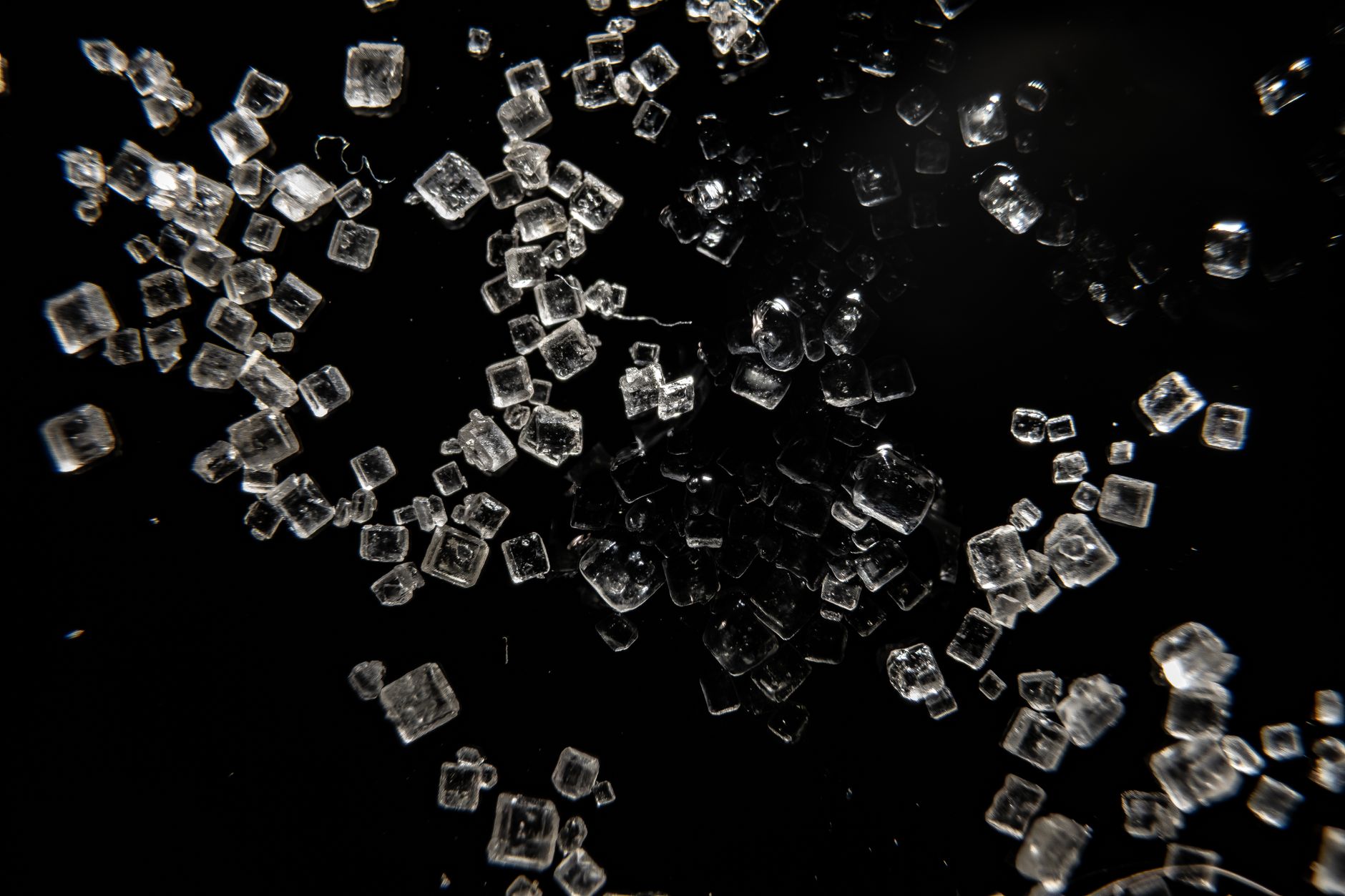
Dextrose is a simple sugar that is derived from plants, primarily corn. Many people wonder about its natural status as an ingredient. In this article, we will explore the origins of dextrose, its uses in food, how it compares to other sweeteners, and practical serving ideas.
Understanding whether dextrose is natural involves delving into its production process, as well as detailing its flavor, texture, culinary applications, and possible substitutes.
Is Dextrose Natural?
Dextrose is natural in that it is a simple sugar that exists in nature, but its commercial production usually involves processing corn or other plant starches. While the sugar itself is a naturally occurring carbohydrate, the methods used for extraction can vary, leading to some debate about its status as a ‘natural’ ingredient.
What Is Dextrose?
Dextrose, also known as glucose, is a simple sugar (monosaccharide). It is a carbohydrate that is found in various foods, particularly fruits and honey. In commercial production, dextrose is typically derived from corn starch through a process called hydrolysis, where the starch is broken down into glucose molecules.
The Process of Producing Dextrose
The production of dextrose begins with the extraction of starch from corn kernels. Here’s a brief overview of the steps involved:
- The corn kernels are milled to separate the starchy endosperm from the germ and hull.
- Water is added to the starch, and enzymes are introduced to initiate hydrolysis, converting the starch into glucose.
- The resulting glucose solution is then filtered, concentrated, and crystallized to produce dextrose.
While this process does modify the original corn starch, dextrose itself is a processed form of a naturally occurring sugar.
Flavor and Texture of Dextrose
Dextrose has a clean, sweet flavor that is less intense than table sugar (sucrose). It is less sweet than other sugars and has a slightly different texture that facilitates its various uses in cooking and food production.
Uses of Dextrose in Food
Dextrose is used extensively in the food industry for several reasons:
- Sweetener: It serves as a sweetening agent in various products, including baked goods, candies, and beverages.
- Humectant: Dextrose attracts moisture, helping to retain freshness in baked goods.
- Fermentation: It is a primary sugar source for yeast, making it ideal for baking and brewing applications.
- Flavor enhancer: Dextrose can enhance the flavor profile of some foods without overpowering other ingredients.
- Texture modifier: It can influence texture, contributing to the mouthfeel in ice creams and other desserts.
Benefits of Dextrose
When used appropriately, dextrose can have several benefits:
- Quick Energy Source: Dextrose is easily absorbed by the body, making it an effective source of quick energy. This is why it’s often found in sports drinks and energy gels.
- Versatile in Cooking: Its unique properties lend well to different cooking methods, making it ideal for various applications.
- Low Caloric Input: Dextrose can provide sweetness with fewer calories than sugar due to its lower sweetness perception.
Dextrose vs. Other Sweeteners
There are many sweeteners available today, from natural options like honey and agave to synthetic substitutes like aspartame and sucralose. Understanding how dextrose compares to these options can help you make informed choices.
Dextrose vs. Sucrose (Table Sugar)
While both are sweeteners, dextrose has a different sweetness level than sucrose, being less sweet. Additionally, dextrose is absorbed more quickly by the body, making it a better option for immediate energy needs.
Dextrose vs. Fructose
Fructose is sweeter than dextrose and is mainly found in fruits. It is metabolized differently in the body and can have different effects on blood sugar levels. For those monitoring their sugar intake, this distinction is essential.
Dextrose vs. Agave Syrup
Agave syrup is marketed as a natural sweetener and is sweeter than dextrose. It has a higher fructose content, which some people may want to avoid due to its impact on insulin sensitivity.
Culinary Uses of Dextrose
Dextrose can fit seamlessly into various recipes, enhancing both flavor and texture. Here are some common culinary uses:
Baking
In baking, dextrose can be used in place of or alongside traditional sugars. It promotes browning, aids yeast fermentation, and retains moisture in products like cakes and breads. Here’s how to use dextrose in baking:
- Measurement: When substituting dextrose for sugar, use about 0.75 cups of dextrose for every cup of sugar.
- Mixing: Blend dextrose with dry ingredients before adding wet ones to ensure even distribution.
In Beverages
Dextrose is commonly found in energy drinks, providing a quick sugar boost. For homemade sports drinks, combine dextrose with electrolytes and water to create a refreshing beverage:
- Mix 1 cup of water with 1 tablespoon of dextrose.
- Add a pinch of salt and a flavoring agent like lemon juice or flavored powder.
In Confectionery
Dextrose is widely used in the candy industry, particularly in gummies and chewy candies, as it helps to create the desired texture. It also aids in preventing crystallization in syrups and frostings.
In Sauces and Condiments
For sauces, dextrose can help create depth without overwhelming flavors. Use it in barbecue sauces or marinades to balance acidity and enhance sweetness.
Practical Serving Ideas with Dextrose
Incorporating dextrose into your cooking and baking can be easy and rewarding. Here are some ideas on how to serve and use products containing dextrose:
Homemade Energy Bars
Create energy bars using oats, nuts, and dextrose. Simply combine your ingredients, press them into a pan, and refrigerate until firm.
Quick Sweet Sauces
Mix dextrose with water, fruits, and spices to create a quick sweet sauce for pancakes or waffles. Cook until thickened, then drizzle over your breakfast.
Moist Cakes and Muffins
In cakes and muffins, using dextrose can result in a moist, tender crumb due to its moisture-retaining properties.
Flavored Syrups
Combine dextrose with fruit purees to create flavored syrups for desserts or drinks. Simmer until slightly thickened for a sweet topping.
Substitutions for Dextrose
If you are out of dextrose or prefer to use something else, here are a few suitable substitutes:
- Sucrose (Table Sugar): Use three-fourths the amount of dextrose due to its higher sweetness.
- Honey: Use one-third less honey than the amount of dextrose, adjusting for moisture.
- Agave Syrup: Use less agave syrup as it is sweeter; start with half the amount and adjust to taste.
Common Mistakes and Troubleshooting
When using dextrose in your recipes, there are several common pitfalls to avoid:
Substituting Incorrectly
Ensure you measure correctly, especially when substituting dextrose for other sugars. A straight one-for-one substitution may lead to undesirable results.
Overbaking with Dextrose
Dextrose can cause baked goods to brown faster; watch carefully as they bake to prevent burning.
Using Too Much
While dextrose is less sweet than other sugars, using too much can lead to a cloyingly sweet finished product. Taste as you go!
Storage and Reheating Guidance
Dextrose should be stored in an airtight container in a cool, dry place. If kept properly, it can last for an extended period without degrading quality. Avoid exposure to humidity or temperature changes to prevent clumping.
Is Dextrose Suitable for All Diets?
Dextrose can be a suitable sweetener for many diets, including those following a low-carb or ketogenic lifestyle when used in moderation. However, individuals watching their blood sugar levels, such as those with diabetes, should use caution and monitor their intake.
Conclusion
Dextrose is a naturally occurring sugar that has various commercial applications. While its production process modifies its original plant form, the sugar itself retains a natural classification. Its versatility in baking, cooking, and beverage applications, combined with its sweetness and moisture-retaining properties, makes it a handy ingredient in many kitchens.
To dive deeper into food facts and learn about related topics, check out our articles on glucose syrup and soaking chia seeds. These resources can help you make informed decisions for your culinary adventures!