
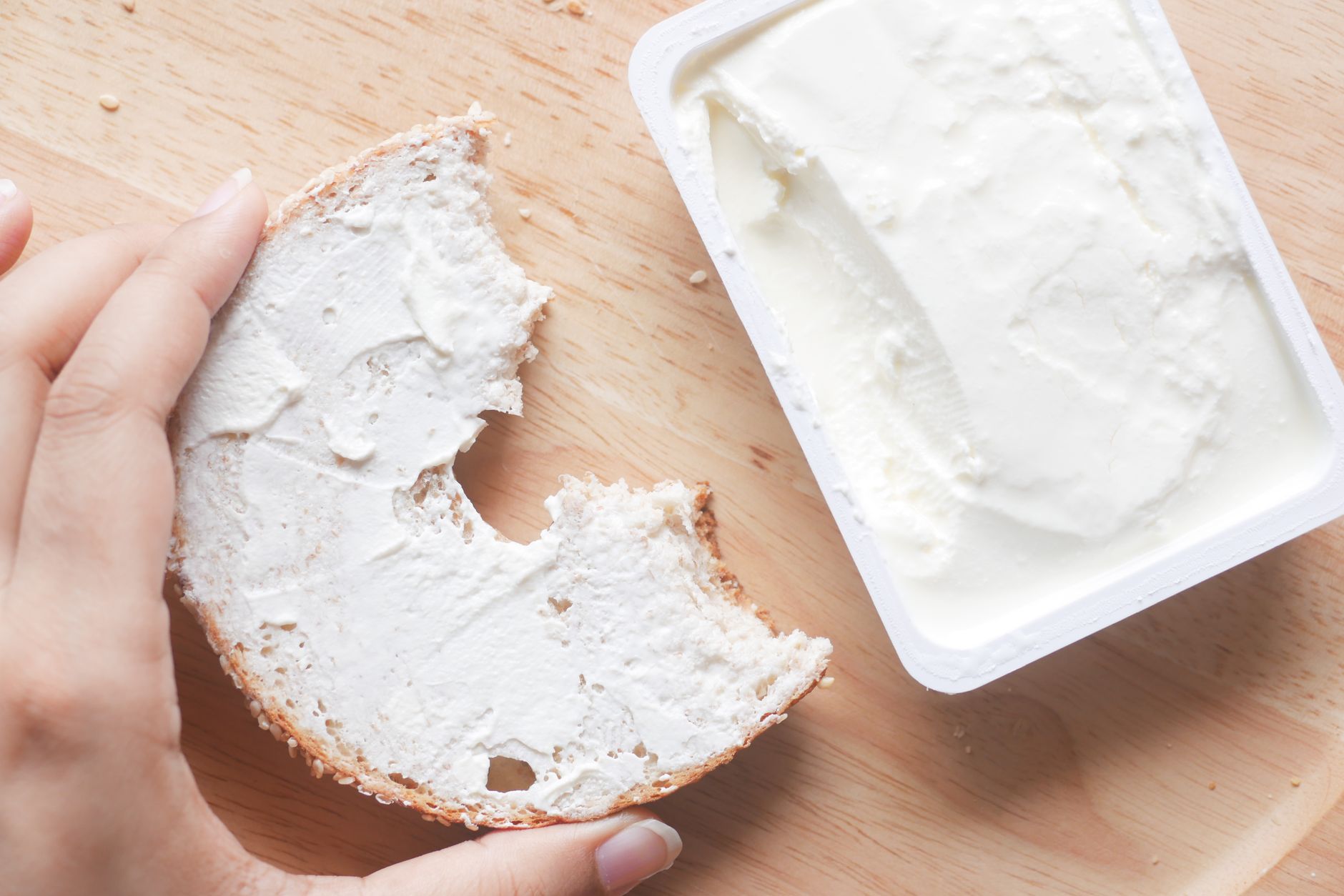
Cream cheese is a beloved ingredient in many kitchens, often celebrated for its creamy texture and mild flavor. Frequently used in spreads, dips, and baked goods, cream cheese is a versatile ingredient that many rely on for their culinary creations.
One common question that arises when discussing cream cheese is whether it is pasteurized. Understanding the pasteurization process and its significance can help you choose the right types of cream cheese for your cooking needs.
Is Cream Cheese Pasteurized?
Yes, most commercially available cream cheese in the United States is pasteurized. Pasteurization is a heat treatment process that eliminates harmful bacteria, ensuring the safety of dairy products.
This safety measure is crucial as it prevents potential foodborne illnesses that can arise from consuming unpasteurized dairy. However, it is always advisable to check the label for specific details regarding the product.
The Pasteurization Process Explained
Pasteurization involves heating milk or cream to a specific temperature for a designated time and then rapidly cooling it. This process effectively kills off pathogens without significantly affecting the nutritional value or taste of the product.
When it comes to cream cheese, the pasteurization process is crucial in ensuring that the product is safe for consumption, especially for vulnerable groups such as pregnant women and the elderly.
Why Is Pasteurized Cream Cheese Important?
The importance of pasteurized cream cheese extends beyond personal preference; it is a public health issue. Consuming unpasteurized dairy can lead to serious health risks, including illnesses caused by bacteria such as Listeria and Salmonella.
These bacteria can pose severe risks, particularly to women who are pregnant, individuals with weakened immune systems, and the elderly. Therefore, selecting pasteurized cream cheese is always the safer option.
Types of Cream Cheese
Understanding the various types of cream cheese available can help you make better choices for your recipes. Here are a few common varieties:
- Regular Cream Cheese: The classic version, typically made from pasteurized milk and cream.
- Neufchâtel Cheese: A lower-fat cream cheese option that is also pasteurized but has a cheesier flavor.
- Whipped Cream Cheese: A lighter, airy version that is easy to spread, often flavored or blended with herbs.
- Flavored Cream Cheese: This variety includes added ingredients, such as herbs, fruits, or spices for a unique taste.
How to Choose the Right Cream Cheese
When selecting cream cheese, consider how you intend to use it. The texture and flavor can vary significantly among the types:
- For Baking: Regular cream cheese provides a rich flavor and texture for cheesecake or other desserts.
- For Spreads: Whipped or flavored varieties are best for bagels and sandwiches.
- For Dips: Regular cream cheese or Neufchâtel can serve as a base in savory or sweet dips.
Substitutes for Cream Cheese
If you find yourself without cream cheese, there are several substitutes you can use without ruining your dish:
- Greek Yogurt: A great option for dips or cheesecakes, it offers a similar tanginess.
- Cottage Cheese: Blending cottage cheese can create a texture similar to cream cheese, making it a suitable substitute in certain recipes.
- Ricotta Cheese: Creamy and mild, ricotta is a good alternative in sweet recipes and savory dishes alike.
- Tofu: Silken tofu blended to smoothness can replicate the creamy texture while being dairy-free.
Practical Applications in the Kitchen
Cream cheese can be used in many recipes, making it an essential ingredient for various dishes. Some popular applications include:
- Desserts: Cream cheese is often used in cheesecakes, frosting, or as a filling for pastries.
- Dips: It’s a staple base for savory dips, such as spinach and artichoke dip.
- Spreads: Combine it with herbs, spices, or fruits for a delicious bagel spread.
- Filling: It works well as a filling for stuffed pastries or savory rolls.
Safety Considerations
When handling cream cheese, keep food safety in mind:
- Always check the expiration date before use.
- Store unused cream cheese in an airtight container in the refrigerator.
- If cream cheese develops off odors or flavors, discard it.
After opening, most cream cheese products should be consumed within two weeks for optimal freshness.
Common Mistakes When Using Cream Cheese
Even the most experienced cooks can make blunders. Here are some common mistakes and how to avoid them:
- Not Soften Enough: Always allow cream cheese to soften at room temperature before using it to ensure easy blending and a smooth texture.
- Ignoring Flavor Profiles: Be mindful of how the flavor of cream cheese interacts with other ingredients in your recipes.
- Overmixing: When incorporating cream cheese into batters, mixing too vigorously can lead to a tough texture.
Creative Ways to Use Cream Cheese
Cream cheese is not only versatile in its forms but also its uses:
- Add it to pancakes or waffles for a luxurious breakfast treat.
- Incorporate it into pasta dishes for a creamy sauce.
- Use it as a base for homemade sauces and dressings.
Storing Cream Cheese
Proper storage of cream cheese is essential to prolong its shelf life:
- Keep it tightly sealed in its original packaging or within an airtight container to prevent drying out.
- Store it in the refrigerator, where it can last for about two weeks after opening.
- Avoid leaving cream cheese out at room temperature for extended periods, as this can promote bacterial growth.
Conclusion
Cream cheese is a delicious and versatile ingredient that is typically pasteurized for safety. Understanding its varieties, uses, and proper storage methods can enhance your culinary experiences. Whether you’re baking a cheesecake, whipping up a dip, or making a delightful spread for breakfast, cream cheese is a fantastic choice.
Explore practical recipes or cooking tips to incorporate this creamy ingredient into your meals, such as smoked cream cheese or cream cheese rangoon.