
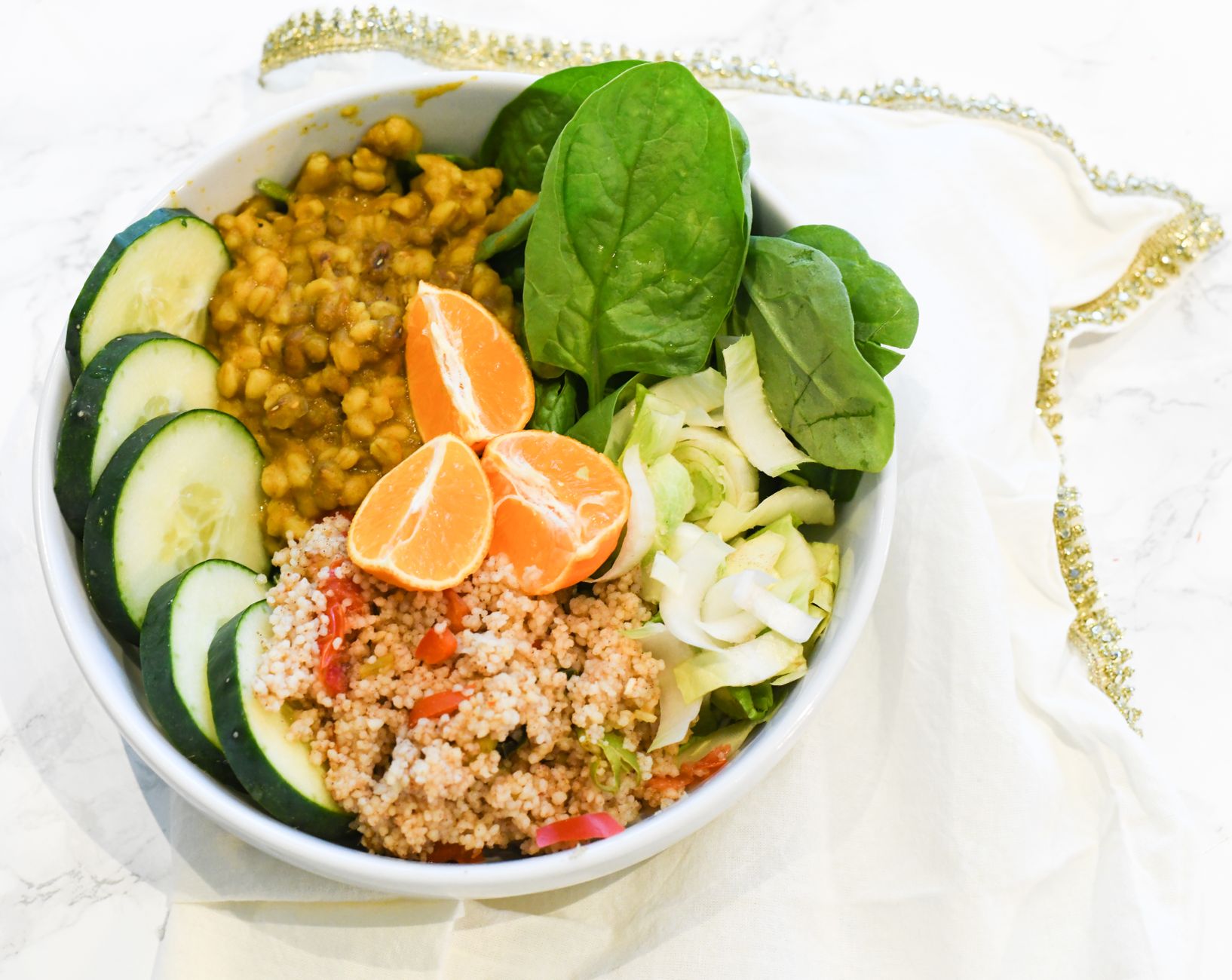
Couscous, a traditional staple in North African cuisine, has gained popularity worldwide as a versatile and easy-to-make grain. Made from semolina wheat, couscous is often praised for its texture and ability to absorb flavorful sauces and ingredients. As the conversation around health and nutrition continues to evolve, many find themselves questioning, is couscous healthy for you?
In this article, we’ll explore the nutritional profile of couscous, its potential health benefits, serving suggestions, and how to include it in your diet effectively. By the end, you’ll have a clearer understanding of whether couscous deserves a place on your plate.
Is Couscous Healthy for You?
Yes, couscous can be healthy for you, particularly when consumed as part of a balanced diet. It is a good source of carbohydrates, provides some protein, and is relatively low in calories. However, portion size and preparation methods matter significantly to maximize its health benefits.
The Nutritional Profile of Couscous
Couscous is primarily made from durum wheat, giving it a unique nutritional breakdown. Here’s a general overview of the nutritional content for one cup (about 157 grams) of cooked couscous:
- Calories: 176
- Carbohydrates: 36 grams
- Protein: 6 grams
- Fat: 0.3 grams
- Fiber: 2 grams
- Sugar: 0.6 grams
- Iron: 1.1 mg (6% DV)
- Magnesium: 18 mg (4% DV)
Health Benefits of Couscous
Couscous offers several health benefits when incorporated into a balanced diet:
1. Rich Source of Carbohydrates
Couscous is primarily composed of carbohydrates, which serve as the main energy source for the body. It provides a quick and easy way to refuel, especially after physical activity.
2. Contains Protein
Although not as high in protein as some grains, couscous offers a modest amount that contributes to your daily intake. Pairing it with legumes or vegetables can enhance its protein quality.
3. Low in Fat and Calories
With minimal fat content, couscous is ideal for those seeking a low-calorie side dish. When prepared simply, it can complement various meals without adding significant calories.
4. Provides Essential Nutrients
Couscous contains important minerals such as iron and magnesium. Iron is vital for oxygen transport in the blood, while magnesium plays a crucial role in numerous bodily functions, including nerve and muscle function.
5. Gluten-Free Alternatives
Traditional couscous is not gluten-free, but there are alternatives made from rice or corn that provide similar textures. These can be beneficial for individuals with gluten sensitivities or celiac disease.
Portion Control and Serving Sizes
Understanding portion sizes is key to making couscous a healthy part of your diet. A standard serving is typically ½ to 1 cup cooked. The serving should be adjusted based on your dietary needs, physical activity level, and nutritional goals.
How to Prepare Couscous
Couscous is incredibly easy to prepare, making it an appealing option for busy individuals. Here’s a simple method to cook traditional couscous:
Essential Equipment
- Medium saucepan with a lid
- Spoon for stirring
- Measuring cups
Ingredients
- 1 cup couscous
- 1.5 cups water or broth
- Salt to taste (optional)
- Olive oil or butter (optional for flavor)
Step-by-Step Instructions
- In a medium saucepan, bring the water (or broth) to a boil. Add a pinch of salt if desired.
- Once boiling, remove the pot from heat and stir in the couscous along with olive oil or butter if using.
- Cover the saucepan with a lid and let it sit for about 5 minutes. This allows the couscous to absorb the liquid.
- After 5 minutes, fluff the couscous with a fork to separate the grains.
- Your couscous is now ready to be served or used in a recipe!
Flavor Profiles and Serving Suggestions
Couscous pairs well with a variety of flavors and can be used in diverse dishes. Here are some delicious serving suggestions:
1. Salads
Mix couscous with fresh vegetables, herbs, and a light vinaigrette for a refreshing salad. Ingredients such as cherry tomatoes, cucumber, and parsley work beautifully.
2. Soups and Stews
Add cooked couscous to soups for added texture and heartiness. It serves as a great filler in hearty vegetable or chicken soups.
3. Stir-Fries
Couscous can be used instead of rice in stir-fry dishes. Toss it with a variety of protein sources and colorful vegetables for a nutritious meal.
4. Breakfast Bowls
Consider using couscous as a base for breakfast bowls, topped with yogurt, fruits, and nuts, providing a healthy start to the day.
5. Stuffed Peppers
Combine couscous with beans, cheese, and spices to create a delicious stuffing for bell peppers. Bake until the peppers are tender.
Common Mistakes and Troubleshooting
While cooking couscous is straightforward, some common mistakes can lead to unsatisfactory results. Here are a few tips:
- **Too much water:** Using too much liquid can make the couscous mushy. Always follow the recommended water-to-couscous ratio.
- **Not fluffing:** Failing to fluff the couscous after cooking can lead to clumping. Use a fork to separate the grains gently.
- **Underestimating flavor:** Couscous can be bland on its own. Consider using broth instead of water and adding herbs and spices for depth of flavor.
Storage and Reheating Tips
When you have leftover couscous, proper storage is crucial. Here’s how to keep it fresh:
Storage
- Cool the couscous to room temperature before storing.
- Place it in an airtight container and refrigerate for up to 3-5 days.
Reheating
- Reheat couscous in a microwave-safe dish with a splash of water to maintain moisture.
- Heat for 1-2 minutes, stirring halfway through, until warmed through.
Practical Substitutions and Variations
If you’re looking to switch things up, consider using alternative grains or adding various ingredients to couscous. Here are some popular substitutions:
- **Quinoa:** A gluten-free option that is higher in protein, quinoa makes a great substitute for couscous.
- **Farro:** For a nuttier flavor and chewier texture, opt for farro. It also packs more fiber.
- **Rice:** You can use brown or white rice as an alternative, but cooking times and water ratios will differ.
Is Couscous the Right Choice for You?
While couscous offers many health benefits, consider your dietary needs. Those with gluten intolerance or celiac disease should avoid traditional couscous. Moreover, if you follow a low-carb or paleo diet, couscous may not fit into your meal plans.
Conclusion
Couscous can be a nutritious and versatile addition to your meals. It provides essential nutrients and is easy to prepare in various ways, making it a favorite in kitchens worldwide. Whether you’re enhancing a salad or used as a base for a hearty meal, couscous can fit well into a balanced diet when consumed mindfully.
Explore more about healthy ingredients at the benefits of chia seeds or try a delicious chia pudding recipe with coconut milk to diversify your meals.