
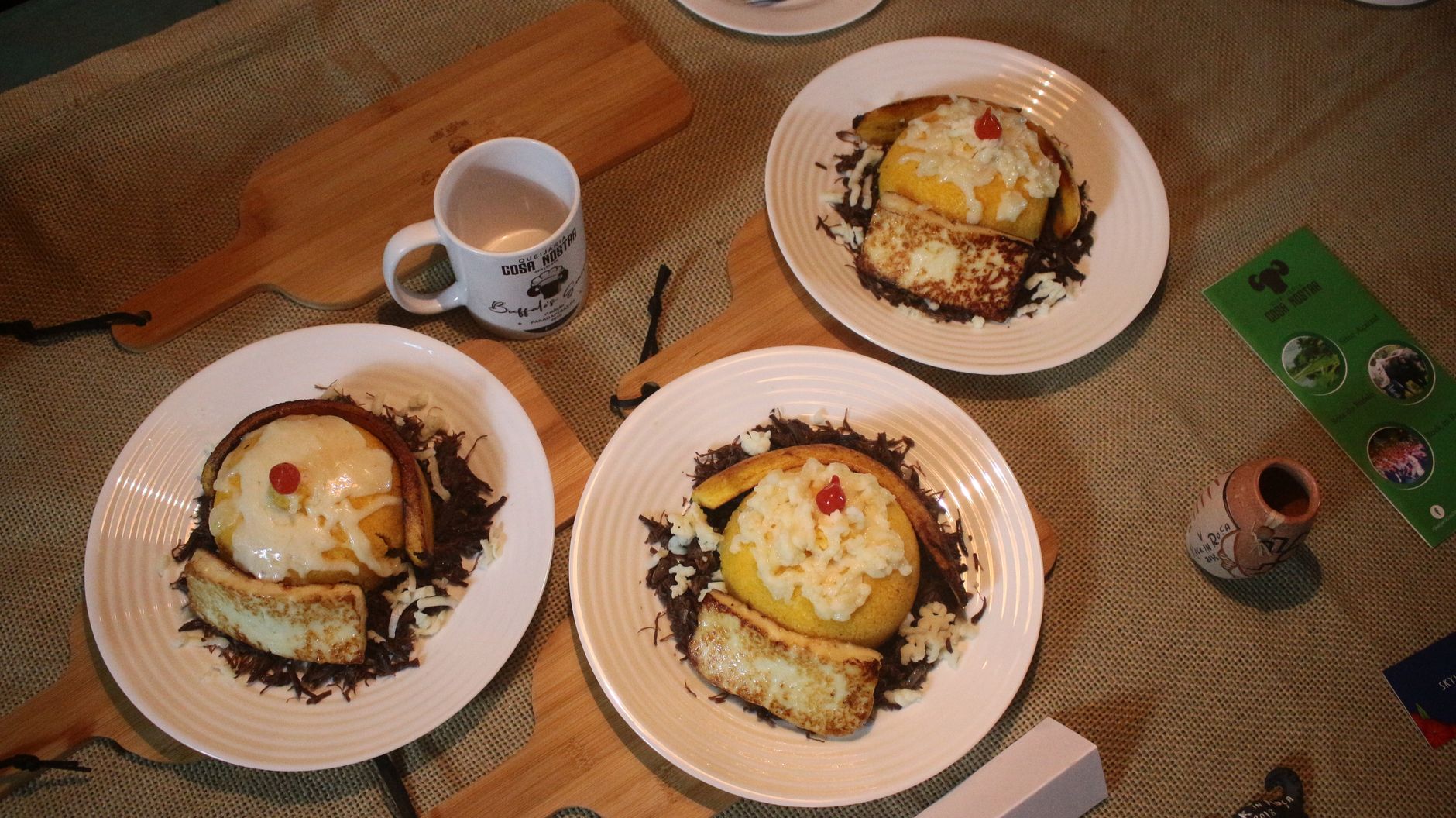
Cornmeal and polenta are terms often used interchangeably in the kitchen, leading to confusion for home cooks and food enthusiasts alike. While they share a common base ingredient, there are significant differences between the two that can affect your cooking and recipe outcomes.
This article explores the key differences between cornmeal and polenta, how they are used in cooking, and tips for choosing the right ingredient for your dishes.
Is Cornmeal the Same as Polenta?
No, cornmeal and polenta are not the same, though they are closely related. Cornmeal is a finely ground flour made from dried corn, while polenta is a dish made from coarsely ground cornmeal, specifically from flint corn. The texture, cooking method, and culinary uses differ significantly between them.
Understanding Cornmeal
Cornmeal is a staple ingredient in many cuisines around the world. It can vary in texture from fine to coarse and is categorized mainly into three types: fine, medium, and coarse. The type of corn used to make cornmeal affects its flavor and texture.
Types of Cornmeal
- Fine Cornmeal: This type has a powdery texture and is typically used for baking, producing a light, delicate crumb in recipes like cornbread and muffins.
- Medium Cornmeal: Slightly coarser, medium cornmeal is versatile and great for baking and cooking, suitable for muffins, pancakes, and porridge.
- Coarse Cornmeal: With a gritty texture, coarse cornmeal gives dishes a heartier feel. It can be used for polenta but may require longer cooking times.
Flavor and Culinary Uses
Cornmeal has a slightly sweet and nutty flavor profile, which can vary depending on the corn used. It is commonly used in baking, frying, and thickening. Popular dishes made with cornmeal include cornbread, polenta, grits, and corn muffins.
What is Polenta?
Polenta is a traditional Italian dish made by cooking coarsely ground cornmeal in water or broth until it becomes thick and creamy. It is often served as a side dish, main course, or base for various toppings.
The Corn Used for Polenta
While polenta is made from cornmeal, the corn used is typically flint corn, which has a hard outer shell. This type of corn contributes to the unique flavor and texture of polenta, setting it apart from regular cornmeal dishes.
Texture and Cooking Method
The texture of polenta can range from creamy to firm, depending on the amount of liquid and cooking time. Polenta is traditionally prepared by slowly whisking the cornmeal into boiling water or broth, cooking it until it thickens. The cooking time can vary, but it’s generally around 30 to 45 minutes.
Key Differences between Cornmeal and Polenta
- Texture: Cornmeal can be fine or coarse, while polenta uses coarser cornmeal and is typically creamy or firm.
- Cooking Method: Cornmeal can be baked, fried, or cooked as porridge, while polenta requires a specific cooking process that results in a thick, creamy dish.
- Use as an Ingredient: Cornmeal is generally used as a base for baked goods and coatings, while polenta is served as a standalone dish or side.
Choosing the Right Type for Your Recipe
When deciding between cornmeal and polenta, consider the texture and cooking methods each requires. If your recipe calls for a finely ground flour, cornmeal is the better choice. For dishes that benefit from a creamy texture, go with polenta.
Substitutions
While you can sometimes substitute one for the other, it’s essential to do so with caution. If a recipe calls for polenta, using fine cornmeal will yield different results, often resulting in a denser texture. Conversely, if a recipe calls for cornmeal, using coarsely ground polenta may lead to a grainy result if not prepared correctly.
Popular Recipes Using Cornmeal and Polenta
Cornmeal Recipes
Cornmeal serves as the core ingredient in various recipes, providing a rich, corny flavor.
- Cornbread: A classic Southern dish that’s moist and slightly sweet, often served with chili or barbecued meats.
- Corn Muffins: Tender and fluffy muffins that can be enjoyed at breakfast or as a side dish.
- Fried Green Tomatoes: Slices of unripe tomatoes coated with seasoned cornmeal and fried until golden brown, a Southern favorite.
Polenta Recipes
Polenta’s versatility makes it suitable for various dishes, from savory to sweet.
- Classic Polenta: Simply cooked with water or broth, served creamy as a side dish.
- Grilled Polenta: Polenta can be cooled and sliced into pieces, then grilled or baked until crispy on the outside.
- Polenta with Sauce: A hearty base for various sauces, such as marinara with Parmesan, or topped with mushrooms and cheese.
Cooking Techniques and Tips
How to Prepare Cornmeal
- Measuring: Always measure cornmeal accurately. For best results, spoon it into your measuring cup and level it off with a knife.
- Mixing with Liquid: If baking, mix cornmeal with other dry ingredients before adding wet ingredients to ensure even distribution.
- Using as Coating: For frying, season the cornmeal before coating proteins or vegetables for enhanced flavor.
How to Cook Polenta
- Prepare Liquid: Start with boiling water or broth in a heavy-bottomed pot (4 cups of liquid for 1 cup of cornmeal is a standard ratio).
- Add Cornmeal: Gradually whisk in the coarsely ground cornmeal, continuing to whisk to prevent lumps.
- Simmer: Reduce heat and simmer, stirring frequently, until the polenta thickens (around 30-45 minutes).
- Finish: Stir in butter, cheese, or herbs for flavor and enjoy hot or set aside to cool for slicing later.
Storage and Shelf Life
Both cornmeal and polenta have a good shelf life when stored correctly. Store cornmeal in a cool, dry place in an airtight container to prevent moisture absorption and maintain freshness. Cornmeal can last up to a year in the pantry, while polenta, once cooked, should be refrigerated and consumed within 3-5 days.
If you’re planning to make polenta in advance, it can be refrigerated and then reheated or grilled for a delightful texture change, making it a great option for meal-prepping.
Common Mistakes to Avoid
- Not Whisking Properly: When making polenta, failing to whisk continuously while adding cornmeal can create lumps.
- Using the Wrong Water Ratio: The water-to-cornmeal ratio is crucial for proper consistency; adjust as needed based on the texture desired.
- Overcooking or Undercooking: Pay attention to cooking time to ensure the polenta or cornmeal dish has the right texture – creamy or firm based on your preference.
Practical Applications in Meal Planning
Both cornmeal and polenta can be integral parts of meal planning. Cornmeal dishes can serve as sides, breakfasts, or main courses, while polenta works well as a versatile base for various toppings.
Consider overlapping ingredients when meal-prepping. For instance, cornmeal can create breakfast muffins, and leftover polenta can be repurposed for dinner with a savory sauce.
Cornmeal and polenta are both valuable kitchen staples. Understanding their differences and uses will open up new culinary possibilities. By mastering the nuances of these ingredients, you can enhance your cooking repertoire.
Explore more about traditional recipes and cooking techniques to further refine your skills. For a delightful exploration of corn-based dishes, check out our corn pone recipe and for a sweet twist, don’t miss our cornbread pudding recipe.