
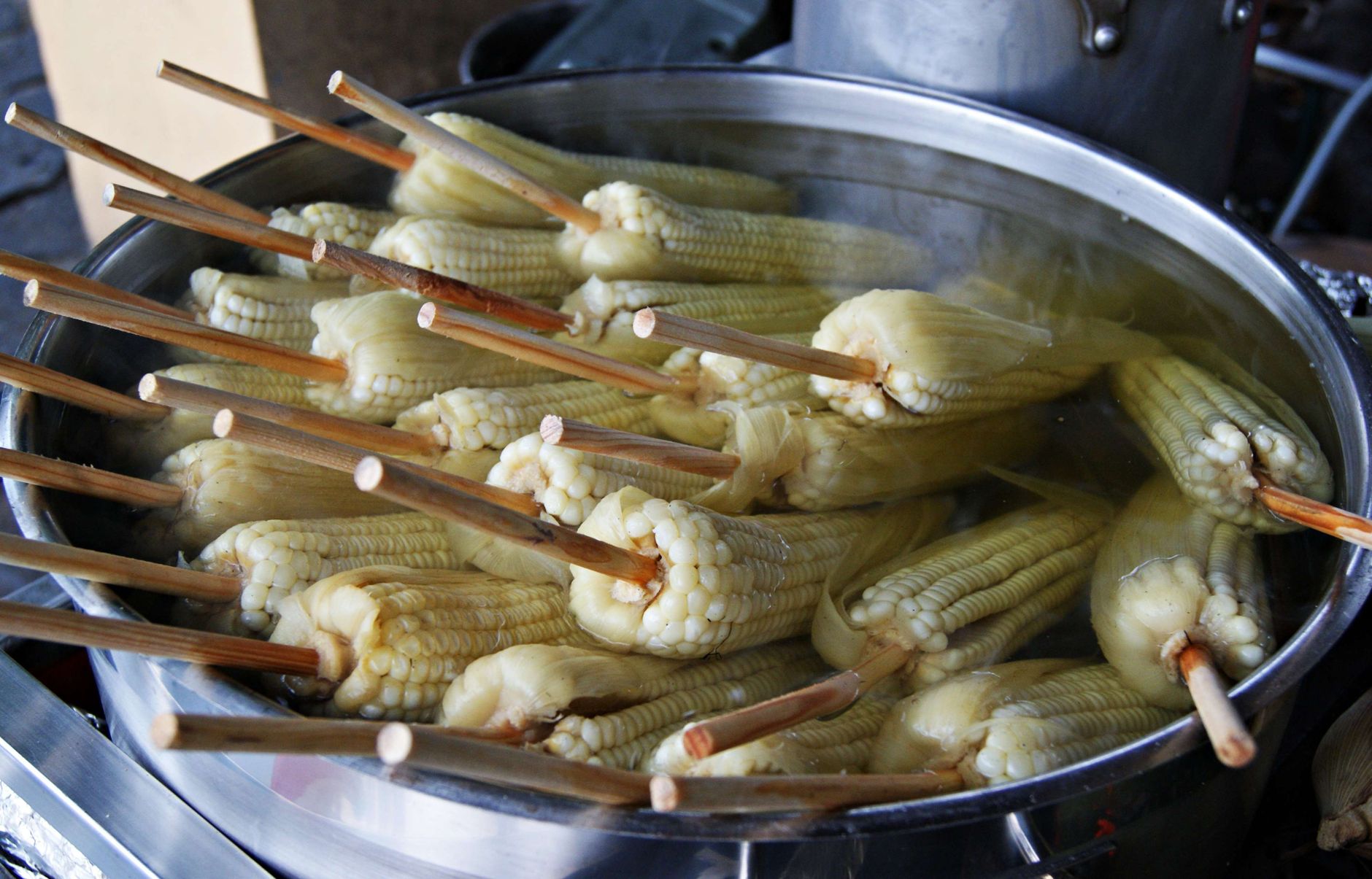
Corn on the cob is a popular summer dish, often enjoyed during barbecues and family gatherings. However, many people wonder whether this tasty treat is fattening or if it can fit into a healthy diet. Understanding the nutritional content and culinary uses of corn can help you appreciate its place in your meal planning while answering the question of its fattening potential.
This article delves into the nutritional aspects of corn on the cob, its health benefits, and its versatility in the kitchen. By understanding these factors, you can enjoy this delicious vegetable guilt-free.
Is Corn on the Cob Fattening?
Corn on the cob is not inherently fattening. A medium-sized ear of corn (about 90 grams) contains approximately 77 calories, 1.5 grams of protein, 17 grams of carbohydrates, and negligible fat. While the carbohydrate content can lead some to consider it fattening, its impact on weight gain is more nuanced and depends on overall dietary habits and lifestyle choices.
Nutritional Overview of Corn on the Cob
Corn is often misunderstood regarding its nutritional value. Here are some key nutritional components of corn on the cob:
- Calories: A medium ear of corn contains around 77 calories.
- Carbohydrates: It has approximately 17 grams of carbohydrates, which includes dietary fiber.
- Fiber: One medium ear provides about 2 grams of dietary fiber, which aids in digestion and promotes fullness.
- Protein: Corn offers about 3 grams of protein per ear, contributing to muscle repair and growth.
- Fat: Corn is low in fat, with less than 1 gram per ear.
- Vitamins and Minerals: Corn is a good source of vitamin B6, thiamin, folate, and potassium.
Health Benefits of Corn on the Cob
In addition to its nutritional content, corn on the cob has several health benefits:
- Rich in Antioxidants: Corn contains antioxidants such as lutein and zeaxanthin, which are beneficial for eye health.
- Supports Digestive Health: The fiber in corn can help maintain a healthy digestive system and prevent constipation.
- Regulates Blood Sugar: The fiber content of corn can help slow glucose absorption, potentially aiding in blood sugar regulation.
How to Incorporate Corn on the Cob into Your Diet
Now that we’ve established that corn on the cob isn’t fattening, let’s explore various ways to include it in your meals:
1. Grilled Corn on the Cob
Grilling enhances the natural sweetness of corn and adds a smoky flavor. Here’s how to prepare it:
- Soak the corn (in husks) in water for about 30 minutes to prevent burning.
- Preheat the grill to medium heat.
- Place the soaked corn directly onto the grill and cook for 15-20 minutes, turning occasionally.
- Remove from the grill, peel back the husks, and season with salt, butter, or your favorite spices.
2. Boiled Corn on the Cob
Boiling corn is a straightforward method that retains its sweetness and tenderness:
- In a large pot, bring water to a boil.
- Add the husked corn and boil for 7-10 minutes, depending on the desired tenderness.
- Remove the corn with tongs, allow it to cool slightly, and season to taste.
3. Corn Salad
Add boiled or grilled corn to salads for extra texture and flavor:
- Combine cooked corn kernels, diced bell peppers, chopped onions, and diced tomatoes.
- Dress with olive oil, lemon juice, salt, and pepper.
- Serve chilled or at room temperature.
Dietary Considerations and Tips
While corn on the cob can fit into a balanced diet, consider the following tips:
- Watch portion sizes, especially if combining corn with high-calorie toppings like butter and cheese.
- Pair corn with protein and healthy fats to create a more balanced meal.
- Consider using herbs and spices instead of butter for flavor without added calories.
Common Misconceptions About Corn
Corn often gets a bad reputation regarding dieting and health. Here are some misconceptions clarified:
1. Corn is Just Empty Carbs
Many people view corn as a simple carbohydrate, similar to white bread. However, corn is nutrient-dense and offers vitamins, minerals, and fiber.
2. Eating Corn Will Cause Weight Gain
Weight gain is a result of overall calorie consumption and metabolic factors, not a single food. Eating corn in moderation within a balanced diet does not lead to weight gain.
3. Corn is Only Suitable as Junk Food
While processed corn products like corn chips may be high in fat and calories, fresh corn on the cob can be a wholesome addition to meals.
Practical Storage Tips for Corn on the Cob
Proper storage of corn is essential to maintain its freshness:
- Keep corn in the refrigerator, preferably in the husk, for up to 2-3 days.
- If not using immediately, freeze cooked kernels or whole ears after blanching for longer storage.
- Avoid removing the husk until ready to cook, as it helps retain moisture.
Potential Downsides of Corn on the Cob
While corn has many benefits, being aware of potential downsides is essential:
- High in Carbohydrates: Those on low-carb diets should monitor their corn intake, as it is carbohydrate-rich.
- Allergens: Some people may be sensitive to corn and its derivatives, leading to digestive or allergic reactions.
Creative Ways to Enjoy Corn on the Cob
Beyond traditional cooking methods, corn can be utilized in various innovative recipes.
1. Corn Chowder
This creamy soup can be a comforting dish perfect for any season:
- In a pot, sauté onions and garlic in butter until softened.
- Add chopped potatoes, corn, and vegetable broth; simmer until the potatoes are tender.
- Blend until smooth, then stir in milk and seasonings to taste.
2. Corn Fritters
Add some flair to your meals with these tasty bites:
- Mix corn kernels with flour, eggs, herbs, and spices to form a batter.
- Spoon the mixture into a hot, oiled skillet, cooking until golden brown on both sides.
- Serve with a dipping sauce or on top of a salad.
3. Corn Salsa
This fresh salsa is an excellent topping for tacos or a dip for chips:
- Combine diced tomatoes, corn, diced red onion, cilantro, and lime juice.
- Season with salt and pepper, serving fresh for optimal flavor.
Conclusion
Corn on the cob can fit into a balanced diet without the fear of weight gain. Its low calorie and high fiber content, along with various health benefits, make it a suitable choice for many meal plans. Enjoy it grilled, boiled, or in salsas and salads, and embrace its delicious versatility. Make the most of your corn by experimenting with different recipes and cooking styles, ensuring you incorporate this nutritious vegetable into your diet regularly.
For more culinary inspiration, explore our corn pone recipe or discover our delicious corn nuggets recipe.