
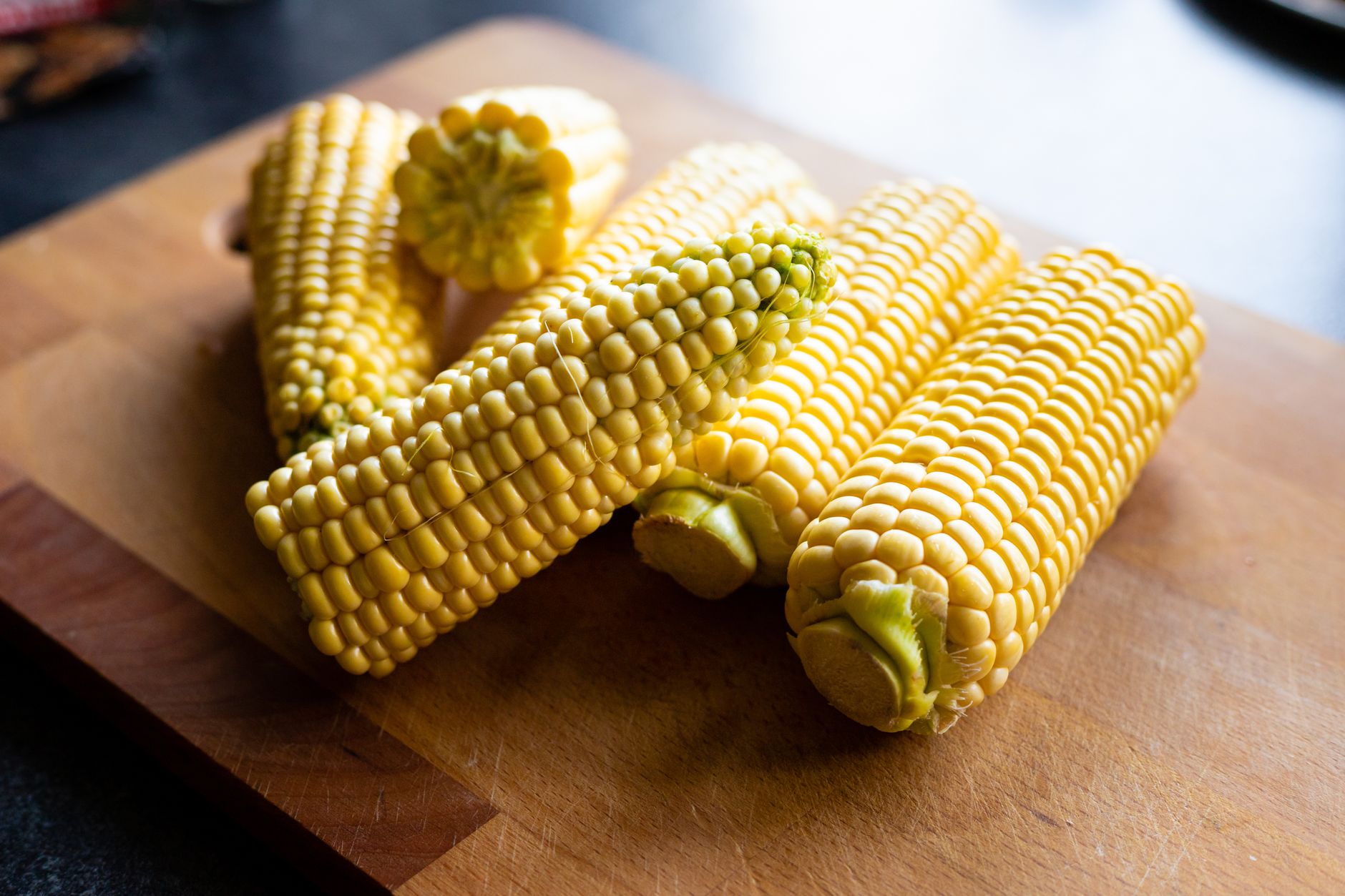
Exploring whether corn is good for fatty liver can be important for those managing this condition. As a staple food, corn offers various nutritional benefits, yet its role in a fatty liver diet is nuanced. Understanding how to incorporate corn in a balanced way can enhance your overall health.
In this article, we will delve into the nutritional profile of corn, its impact on fatty liver, portion recommendations, and meal planning ideas. By the end, you’ll have a clearer picture of whether and how to enjoy this versatile ingredient.
Is Corn Good for Fatty Liver?
Corn can be a beneficial addition to a diet for those with fatty liver disease, provided it is consumed in moderation. Its fiber content may aid digestion and promote overall health, while antioxidants in corn can help combat inflammation. However, it is essential to consider portion sizes and whole food choices over processed corn products.
Nutritional Profile of Corn
Corn, also known as maize, is a rich source of carbohydrates, fiber, vitamins, and minerals. Here are some essential components of corn:
- Carbohydrates: Corn is primarily composed of carbohydrates, making it a good energy source. However, consuming too many carbs can contribute to weight gain, which is a concern for individuals with fatty liver.
- Fiber: Corn contains both soluble and insoluble fiber, which can support digestive health, regulate blood sugar levels, and promote satiety.
- Vitamins and Minerals: Corn is a good source of B vitamins (especially B6 and folate), vitamin C, and minerals like magnesium and potassium, which are important for overall health.
- Antioxidants: Corn contains antioxidants, including lutein and zeaxanthin, which may help reduce inflammation and oxidative stress in the body.
How Corn Affects Fatty Liver
Fatty liver disease, characterized by excess fat accumulation in the liver, may be influenced by diet. Here’s how corn fits into this picture:
Potential Health Benefits
- Fiber Content: The fiber in corn can help in managing body weight and improving cholesterol levels. Fiber also promotes regular bowel movements, which can be beneficial for liver detoxification.
- Antioxidants: Antioxidants in corn may help combat oxidative stress, which is linked to liver inflammation. A diet rich in antioxidants can support liver function.
Considerations for Portion Sizes
While corn can be beneficial, moderation is key. Consuming too much corn, especially in processed forms, can increase calorie intake and lead to potential weight gain. Here’s a guideline for portion sizes:
- Whole Corn: One serving is approximately ½ cup of cooked corn, which provides beneficial nutrients without excessive calories.
- Popcorn: Air-popped popcorn without added butter or oil can be a healthy snack, with about 3 cups considered one serving.
- Corn Products: Limit processed corn products, like corn syrup or corn chips, which can contain added sugars and unhealthy fats.
Incorporating Corn into Your Diet
Here are several ideas for including corn in your meals while keeping in mind the balance necessary for managing fatty liver:
Breakfast Ideas
- Cornmeal Porridge: Cook cornmeal with water or low-fat milk and serve topped with fresh fruit, a sprinkle of cinnamon, and a drizzle of honey for sweetness.
- Vegetable Omelette with Corn: Add cooked corn kernels to an omelet filled with spinach, tomatoes, and peppers for a nutritious breakfast.
Lunch Options
- Corn Salad: Toss together fresh corn, diced cucumbers, chopped bell peppers, tomatoes, and a squeeze of lime for a refreshing salad.
- Corn and Black Bean Wraps: Fill whole grain tortillas with black beans, corn, avocado, and a sprinkle of cilantro for a satisfying lunch.
Dinner Inspirations
- Grilled Corn on the Cob: Grill corn on the cob and lightly brush it with olive oil and herbs. Serve alongside a lean protein for a wholesome dinner option.
- Corn Chowder: Make a light corn chowder using low-fat milk or vegetable broth, diced potatoes, and sautéed onions. Avoid heavy cream while keeping it flavorful.
Snacks and Treats
- Air-Popped Popcorn: Enjoy popcorn as a low-calorie snack without excessive toppings. Add a sprinkle of nutritional yeast for flavor.
- Corn Salsa: Prepare a fresh corn salsa with diced tomatoes, jalapeños, and onions, perfect for serving with whole-grain crackers or vegetable sticks.
Common Mistakes When Including Corn in Your Diet
- Overconsumption: Eating large quantities of corn or corn products can lead to unwanted calorie intake, impacting weight management.
- Favoring Processed Options: Relying on corn products high in sugar or fat, such as snack foods and corn syrups, can be detrimental to liver health.
- Ignoring Whole Food Pairs: It’s important to combine corn with nutritious foods like vegetables, lean proteins, and healthy fats to create balanced meals.
Meal Planning with Corn
Using corn as a part of your meal planning can create variety and excitement in your diet. Here’s a simple guide to integrating corn into weekly meals:
Weekly Meal Plan Example
| Day | Breakfast | Lunch | Dinner |
|---|---|---|---|
| Monday | Cornmeal Porridge | Corn Salad | Grilled Corn on the Cob with Chicken |
| Tuesday | Vegetable Omelette with Corn | Corn and Black Bean Wraps | Corn Chowder |
| Wednesday | Avocado Toast with Corn | Quinoa and Corn Bowl | Roasted Vegetables with Corn |
| Thursday | Fruit Smoothie with Cornmeal | Tomato and Corn Soup | Fish Tacos with Corn Salsa |
| Friday | Corn Fritters | Mixed Greens Salad with Corn | Stuffed Peppers with Corn and Quinoa |
| Saturday | Breakfast Burrito with Corn | Vegetable Rice Bowl with Corn | Stir-Fried Tofu and Corn |
| Sunday | Pancakes with Corn | Corn and Zucchini Salad | Homemade Pizza with Corn Topping |
Storage Tips for Corn
Preserving corn properly can maintain its freshness and flavor:
- Fresh Corn: Store fresh, unhusked corn in a cool place, ideally in the refrigerator’s crisper drawer. Consume within a few days for optimal sweetness.
- Cooked Corn: After cooking, allow corn to cool before transferring it to an airtight container. It can be stored in the refrigerator for up to three days or frozen for longer storage.
- Canned Corn: Unopened canned corn can be stored in a cool, dark place. Once opened, transfer unused corn to a container and refrigerate, using it within a few days.
Conclusion
Incorporating corn into a diet aimed at managing fatty liver can be done successfully with mindful choices regarding portion sizes and preparation methods. Whole corn and minimally processed corn products can enhance your meals while promoting overall well-being.
For those interested in exploring delicious corn recipes, consider trying out our Corn Pudding Recipe or the delightful Corn Souffle Recipe. These dishes showcase the versatility of corn while aligning with health-conscious eating.