
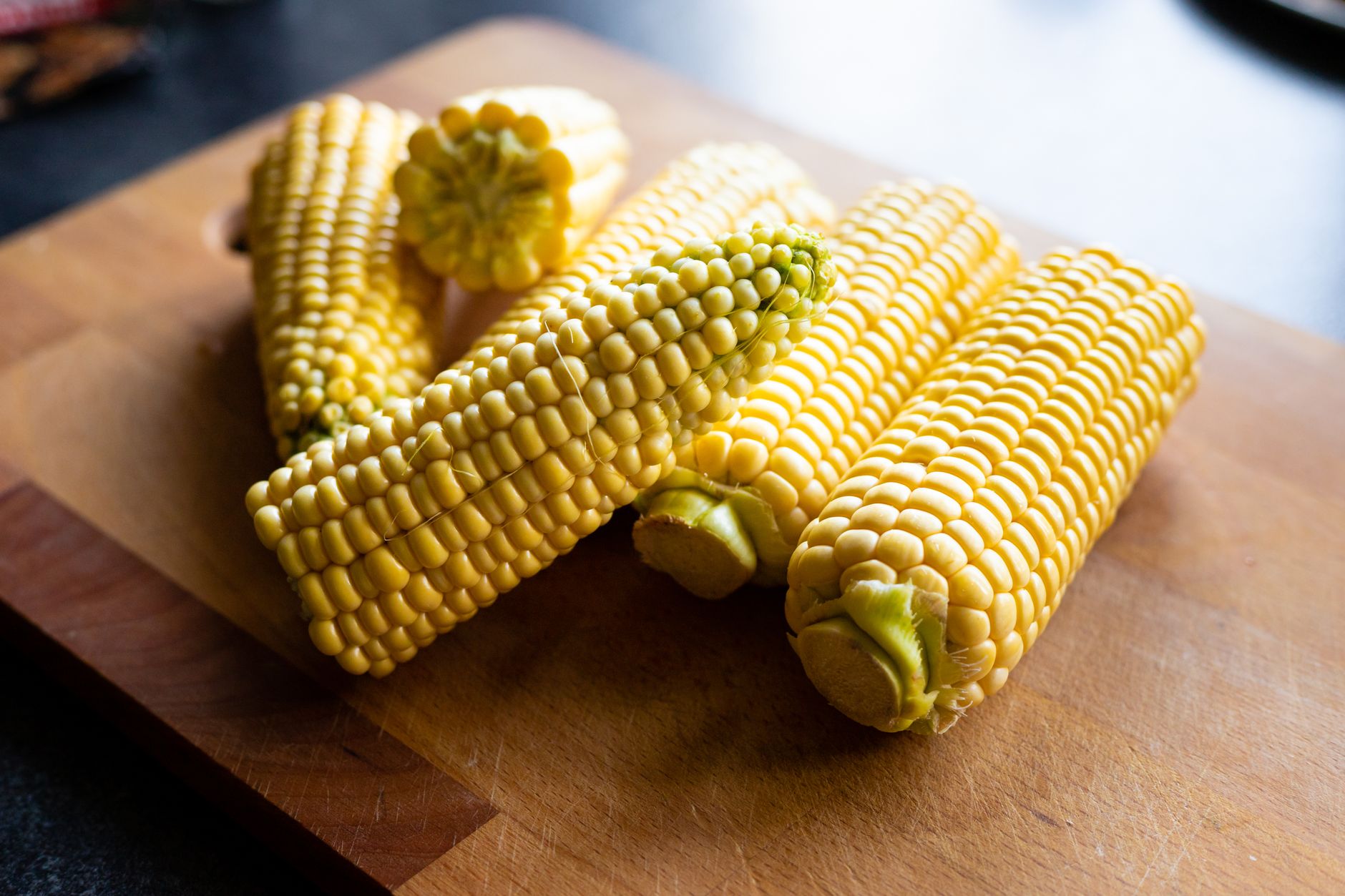
Corn is a staple ingredient that is often found in various cuisines around the world. It is known for its versatility, being used in dishes ranging from appetizers to desserts. If you’ve ever wondered about the nutritional properties of corn, particularly its carbohydrate content, you’re not alone. This article provides an in-depth look into whether corn is a carbohydrate and how this affects its culinary uses.
Understanding the carbohydrate content in corn is essential for meal planning, especially for those managing their diets. We’ll examine the types of carbohydrates found in corn, explore its culinary uses, and offer serving ideas that showcase this beloved grain.
Is Corn A Carbohydrate?
Yes, corn is primarily a carbohydrate. It contains a significant amount of starch, which is a polysaccharide and a complex carbohydrate. This starch content is responsible for corn’s energy-giving properties, making it a popular choice in various diets.
In addition to starch, corn also contains dietary fiber, another form of carbohydrate that is beneficial for digestive health. This combination of starch and fiber contributes to corn’s uniqueness as a food ingredient.
The Nutritional Profile of Corn
To understand corn’s role as a carbohydrate, let’s take a closer look at its nutritional profile. Below is a breakdown of key nutrients typically found in one cup (approximately 145 grams) of cooked corn:
- Calories: 143
- Carbohydrates: 31.5 grams
- Dietary Fiber: 3.6 grams
- Sugar: 6.3 grams
- Protein: 4.6 grams
- Fat: 2.2 grams
- Vitamins and Minerals: Including B vitamins, magnesium, phosphorus, and potassium.
This nutritional information indicates that corn is heavily composed of carbohydrates, which can provide energy for daily activities. That said, the fiber content also lends a hand in regulating blood sugar levels and promoting digestive health.
Types of Carbohydrates in Corn
Corn contains two primary types of carbohydrates: starch and dietary fiber. Understanding the difference between these carbohydrates can help you make informed dietary choices.
Starch
Starch is the most significant carbohydrate found in corn. It is a complex carbohydrate made up of long chains of glucose molecules. When consumed, starches break down into glucose, which your body uses for energy.
The starch in corn is not only an energy source but also contributes to the texture of various dishes. For example, when cooking corn, the heat gelatinizes the starch, giving corn its soft texture.
Dietary Fiber
Dietary fiber refers to the parts of plant food that our bodies cannot digest. Corn has a notable amount of both soluble and insoluble fiber:
- **Soluble fiber**: Helps lower cholesterol and stabilize blood sugar levels.
- **Insoluble fiber**: Aids digestion and helps prevent constipation.
Incorporating dietary fiber into your diet is crucial for maintaining a healthy digestive system. Corn provides a good source of fiber, which makes it a valuable addition to meals.
Culinary Uses of Corn
Corn’s carbohydrate content plays an essential role in various culinary applications. It serves as a foundation for many dishes, and its versatility means it can be incorporated into both savory and sweet recipes.
Savory Dishes
Corn can be used in a myriad of savory applications. Here are some popular ways to incorporate corn into your meals:
- Soups: Corn chowder is a creamy, comforting dish that showcases the natural sweetness of corn.
- Salads: Adding fresh or roasted corn to salads enhances texture and flavor. Consider a corn and black bean salad with a lime vinaigrette.
- Side Dishes: Corn can be served on the cob or as a side dish, like a corn pudding or ratatouille, bringing a burst of flavor to your plate.
- Cornbread: This classic Southern dish pairs well with chili and barbecue, packing a flavorful punch due to its starch content.
Sweet Dishes
Corn is also a delightful ingredient in many sweet recipes. Here are some ways you can enjoy corn in dessert form:
- Corn Pudding: A soft, custard-like dessert that blends corn with eggs, cream, and sugar.
- Corn Ice Cream: A sweet and creamy treat that surprises with its unique flavor.
- Corn Muffins: These are perfect as a breakfast item or snack, combining the sweetness of corn with buttery goodness.
Serving Ideas and Corn as a Side Dish
Whether served as a main dish or a side, corn is indeed versatile and complements a variety of proteins and flavors. Here are some serving ideas:
Grilled Corn on the Cob
Grilling corn enhances its natural sweetness, making it a favorite summertime dish. It’s easy to prepare—simply soak the corn (in husks) in water for about 30 minutes, place on a hot grill, and cook for 15-20 minutes until tender.
Corn Salad
A refreshing corn salad can be made by combining cooked corn, diced tomatoes, avocado, red onion, and a light vinaigrette. This dish is light and pairs beautifully with grilled meats or can stand alone as a summer entrée.
Popular Corn Recipes to Try
Here are two popular corn recipes you might want to consider adding to your recipe collection:
Corn Pudding Recipe
This dish is creamy, comforting, and highlights the sweetness of corn. It requires simple ingredients and is perfect for family gatherings.
- 2 cups corn kernels (fresh or frozen)
- 3 large eggs
- 1 cup milk
- ½ cup sugar
- ½ cup melted butter
- 1 teaspoon vanilla extract
- 1 cup cornmeal
- 1 teaspoon baking powder
- Preheat the oven to 350°F (175°C).
- In a large bowl, combine corn, eggs, milk, sugar, melted butter, and vanilla.
- In a separate bowl, mix the cornmeal and baking powder, then add to the wet ingredients.
- Pour the mixture into a greased baking dish and bake for 30–40 minutes until set.
Corn Soufflé Recipe
A light and fluffy corn soufflé makes for an impressive side dish at any gathering. Here’s how to make it:
- 2 cups corn kernels (fresh or canned)
- ¼ cup flour
- ½ teaspoon baking powder
- 3 large eggs, separated
- ½ cup milk
- 1 cup cheese (shredded, optional)
- Salt and pepper, to taste
- Preheat oven to 375°F (190°C) and grease a soufflé dish.
- In a blender, purée corn, flour, baking powder, egg yolks, and milk until smooth.
- In a separate bowl, beat egg whites until stiff peaks form.
- Fold the corn mixture into the egg whites gently, adding cheese if desired.
- Pour into the soufflé dish and bake for 25–30 minutes until puffed and golden.
Practical Tips for Cooking with Corn
When cooking with corn, here are some practical tips to keep in mind:
- Freshness: Use fresh corn within a few days of purchase for the best flavor and sweetness.
- Cooking: Corn can be boiled, grilled, or roasted. The cooking method will affect its flavor and texture, so consider how you want to use it.
- Storage: Store fresh corn in the refrigerator. If using canned or frozen corn, ensure they are kept in a cool, dry place and check for expiration dates.
- Substitutions: If you don’t have fresh corn, frozen corn can be a suitable alternative. Just ensure it’s thawed before cooking.
Common Mistakes When Cooking with Corn
Even experienced cooks can make mistakes when using corn. Here are some common pitfalls and how to avoid them:
- Overcooking: Corn can become tough if overcooked. For most corn dishes, aim for a tender bite without mushiness.
- Ignoring Seasoning: Corn has a natural sweetness that can be enhanced with spices or herbs. Don’t forget to season your dishes appropriately.
- Using Low-Quality Ingredients: The quality of corn can greatly affect your dish. Always choose high-quality, fresh, or frozen corn when possible.
Serving Corn for Special Dietary Requirements
Incorporating corn into a variety of diets, including gluten-free and vegetarian options, is relatively easy. Corn is naturally gluten-free, making it suitable for those with gluten intolerance.
Additionally, corn is a common ingredient in vegetarian diets. Its carbohydrate and protein content can provide a well-rounded meal when paired with other vegetables and grains.
Conclusion
Corn is a carbohydrate-rich food, primarily consisting of starch and dietary fiber. Its versatility in cooking allows it to shine in both savory and sweet dishes. By understanding its nutritional profile and culinary applications, you can make informed decisions on how to include corn in your meal planning and recipes.
For your next culinary adventure, try experimenting with corn pudding or a corn soufflé. Don’t forget to explore even more ways to utilize corn: check out our delicious corn pudding recipe and the comforting corn soufflé recipe to delight your family and friends.