
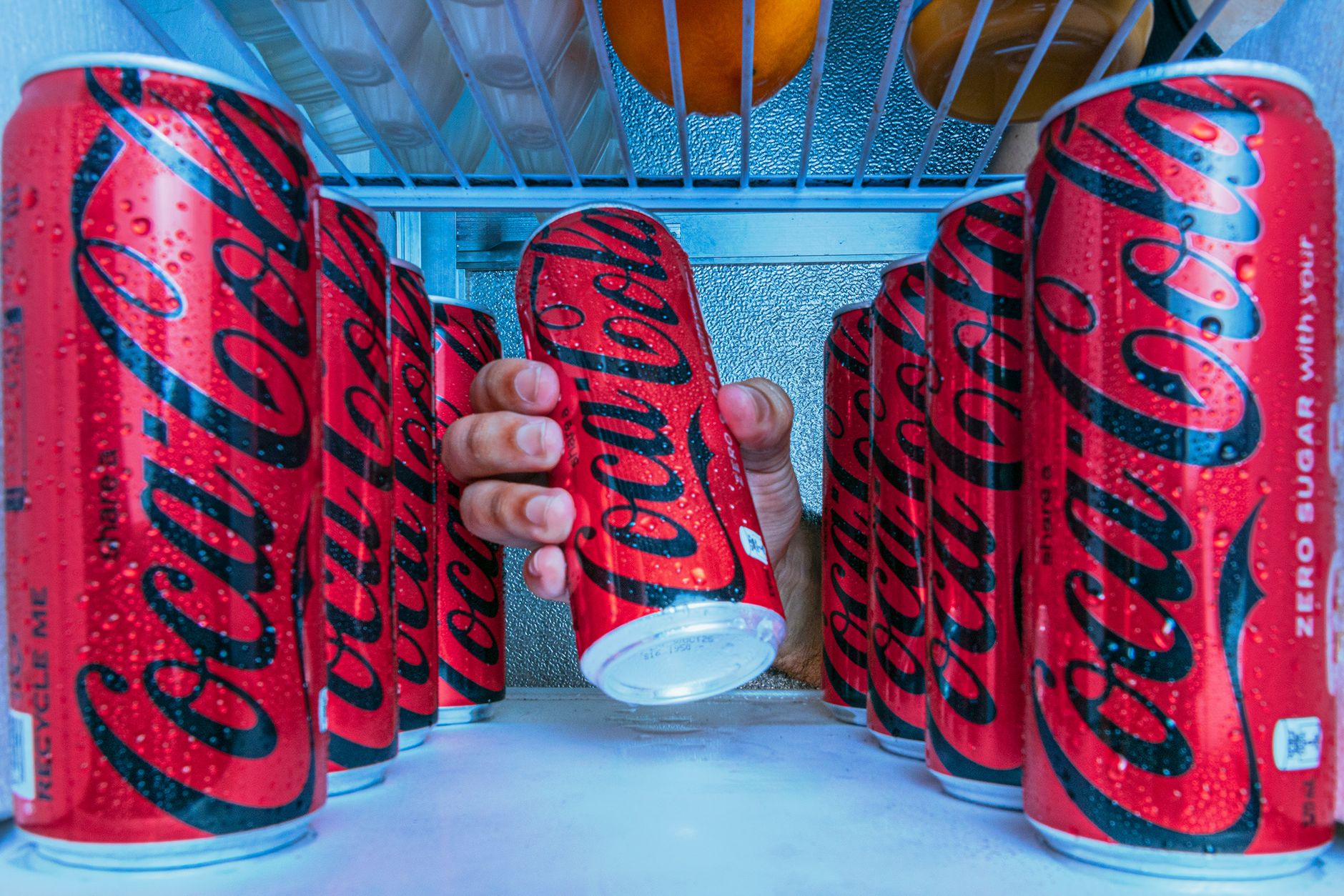
Coke Zero has gained immense popularity as a calorie-free alternative to regular soda, attracting those looking to enjoy a sweet fizzy drink without the added sugars. But the question remains: is Coke Zero good for you? This article delves into its nutritional content, possible health benefits, and various considerations to help you make an informed decision.
From its ingredients to its potential effects on health, understanding Coke Zero helps you assess whether it fits within your diet. Join us as we explore the details that define this popular beverage and what it means for your wellness.
Is Coke Zero Good for You?
Coke Zero can be considered a better option than regular soda for those seeking to reduce calorie and sugar intake. However, it contains artificial sweeteners and other ingredients that may have mixed effects on health. Moderation is key, as overconsumption could lead to health concerns.
Nutritional Breakdown of Coke Zero
Understanding the ingredients of Coke Zero is crucial in evaluating its health impact. The primary components include carbonated water, caramel color, phosphoric acid, natural flavors, potassium benzoate (preservative), caffeine, and sweeteners like aspartame and acesulfame potassium. Let’s analyze these ingredients in detail.
Ingredients and Their Effects
- Carbonated Water: The main ingredient, carbonated water, provides the fizz while contributing no calories or sugars.
- Caramel Color: This coloring gives Coke Zero its dark hue but does not add any nutritional value.
- Phosphoric Acid: Often used to enhance flavor, high consumption of phosphoric acid may contribute to bone density reduction and osteoporosis in some studies.
- Natural Flavors: While generally regarded as safe, the specific content of natural flavors is proprietary, making it challenging to evaluate their health effects.
- Potassium Benzoate: This preservative is commonly used in soft drinks but may form benzene when exposed to heat or light, a known carcinogen. Studies suggest that the levels in beverages are generally not harmful; however, moderation is still advised.
- Caffeine: Present in Coke Zero, caffeine can provide a boost in alertness, but high amounts can lead to insomnia and heightened anxiety.
- Aspartame and Acesulfame Potassium: These artificial sweeteners are much sweeter than sugar and contribute zero calories. Their long-term health effects are still debated, with some studies linking them to negative health outcomes.
Potential Benefits of Coke Zero
While Coke Zero may not be a health drink, it does offer certain benefits, especially when compared to sugar-laden beverages.
1. Calorie Reduction
One of the most prominent advantages of Coke Zero is that it contains no calories. For individuals looking to reduce their overall caloric intake or manage weight, Coke Zero provides a sweeter alternative to regular Coke without the associated calories.
2. Sugar-Free
Unlike regular soda, which is loaded with sugar (approximately 39 grams in a 12-ounce serving), Coke Zero contains no sugars. This can be beneficial for diabetics or anyone trying to limit sugar consumption for health reasons, such as reducing the risk of obesity or metabolic diseases.
3. Caffeine Boost
For those in need of a caffeine boost, Coke Zero contains caffeine comparable to that found in coffee or tea. However, it should be consumed considering individual caffeine tolerances, as excessive intake can lead to adverse effects like insomnia and heart palpitations.
Health Considerations and Controversies
Despite its advantages, several health concerns have been raised regarding the consumption of Coke Zero.
1. Artificial Sweeteners and Metabolism
The artificial sweeteners used in Coke Zero—especially aspartame—have been the subject of numerous studies. Some research suggests these sweeteners may disrupt metabolic processes, potentially leading to weight gain rather than weight loss. However, other studies fail to find solid evidence supporting this conclusion.
2. Dental Health
The acidic nature of Coke Zero can contribute to enamel erosion over time. Though it lacks sugar, continuous exposure to acidic beverages can weaken teeth. Regular dental check-ups and good oral hygiene practices can mitigate this risk.
3. Bone Health
As mentioned, phosphoric acid is a component of Coke Zero. Some studies have linked high intake of phosphoric acid with reduced bone density and an increased risk of fractures, particularly in women. Moderation or opting for alternatives may be sensible.
4. Potential Links to Health Issues
There is ongoing debate concerning the potential association between soft drink consumption and various health issues, including obesity, metabolic syndrome, and cardiovascular disease. While Coke Zero does not contain sugar, it may still influence overall health negatively when consumed excessively.
How to Enjoy Coke Zero Responsibly
Considering its benefits and potential drawbacks, if you choose to include Coke Zero in your diet, moderation is essential. Here are some practical tips:
- Limit Consumption: Aim for occasional enjoyment rather than making it a daily habit to avoid potential health risks.
- Pair with a Balanced Diet: Using Coke Zero as a treat alongside a nutritious diet can allow you to balance enjoyment and health.
- Stay Hydrated: Prioritize water as your primary beverage for hydration, using Coke Zero as an occasional way to satisfy soda cravings.
- Be Aware of Caffeine Intake: Be cautious about total caffeine consumption if you are consuming Coke Zero alongside other caffeinated beverages.
Alternatives to Coke Zero
If you are concerned about the ingredients in Coke Zero or prefer to explore alternatives, consider the following options:
1. Sparkling Water
Flavored or plain sparkling water is a refreshing alternative that offers fizz without calories, sugars, or artificial sweeteners. You can infuse it with fresh fruits or herbs for added flavor.
2. Herbal Teas
Herbal teas, especially those served chilled, can be a great alternative. They provide robust flavors without the need for added sugars or sweeteners.
3. Diet Sodas
Other diet sodas, like Diet Coke or Pepsi Zero Sugar, contain similar ingredients to Coke Zero but may have different flavor profiles. Review labels and choose according to taste preference.
4. Homemade Sodas
Consider making your soda at home using carbonated water and a splash of fruit juice or natural flavorings. This method allows you to control sugar and calorie content and avoid artificial additives.
Making Informed Choices
As consumers, making informed choices means understanding both the benefits and potential drawbacks of what we consume. Whether you enjoy Coke Zero or prefer other beverages, taking the time to evaluate your drink choices can lead to a healthier lifestyle.
If you’re considering incorporating Coke Zero into your diet, evaluate how it fits your personal health goals. It’s essential to remember that no food or beverage exists in a vacuum, and overall dietary patterns matter immensely.
Conclusion
Coke Zero offers a sugar-free, calorie-free alternative for those looking to enjoy a fizzy beverage without guilt. However, moderation is advised, given the presence of artificial sweeteners and potential health implications. Assess your overall diet and consider incorporating healthier options as needed.
For further exploration, check out our guides on benefits of chia seeds and caffeine content in Diet Dr. Pepper to help tailor your beverage choices.