
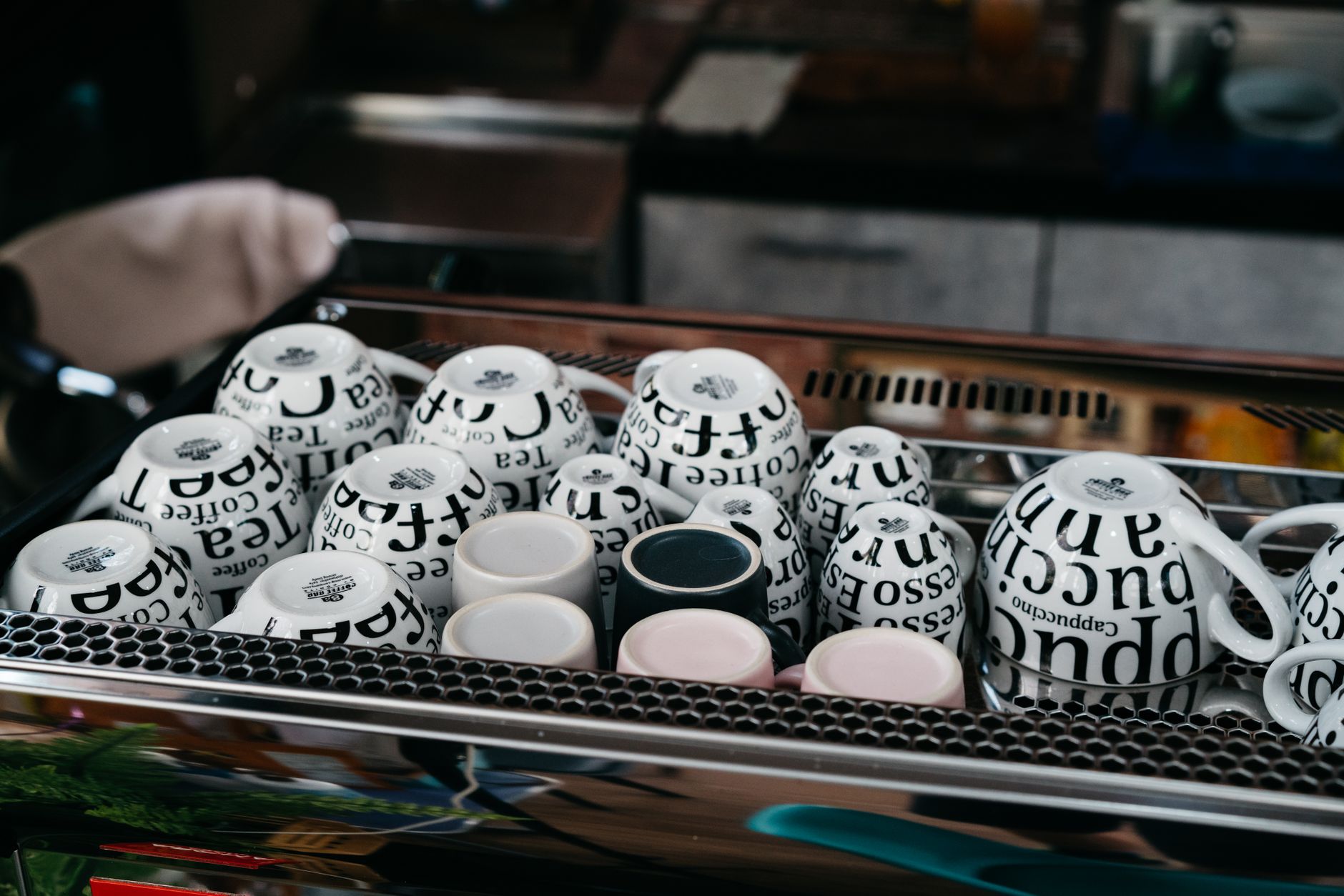
When pondering the question, “Is coffee tea?” it’s important to acknowledge the distinct characteristics and classifications of both beverages. While coffee and tea are rooted in rich traditions and cultures, they serve different purposes, flavors, and experiences. In this comprehensive guide, we will explore their origins, differences, health benefits, and various culinary uses.
Understanding these two popular drinks will enhance your appreciation for each. Whether you’re a coffee aficionado or a devoted tea drinker, this article aims to clarify the unique identities of coffee and tea while offering practical insights for serving and enjoying both.
Is Coffee Tea?
No, coffee is not tea. Coffee is brewed from roasted coffee beans, which are the seeds of the Coffea plant. In contrast, tea is made using the leaves of the Camellia sinensis plant. While both beverages contain caffeine and share some health benefits, their flavors, preparation methods, and cultural significance differ significantly.
Origins of Coffee and Tea
Both coffee and tea have fascinating histories and cultural importance that date back centuries. Let’s delve into their origins.
The Story of Coffee
Coffee is believed to have originated in Ethiopia in the 9th century, where it was initially consumed for its energizing properties. The beverage gained popularity and spread to the Arabian Peninsula, eventually making its way to Europe in the 17th century. Today, coffee is one of the most consumed beverages worldwide, with various brewing methods and styles.
The Journey of Tea
Tea has a similarly rich history, originating in China as early as 2737 BC when Emperor Shen Nong accidentally discovered it. It slowly spread throughout Asia, reaching Japan and later Europe by the 16th century. Like coffee, tea takes on diverse forms and flavors, from green to black and herbal varieties.
Caffeine Content in Coffee and Tea
One of the key similarities between coffee and tea is their caffeine content. However, significant differences exist in their respective levels and effects.
- Coffee: An 8-ounce cup of brewed coffee contains approximately 95 mg of caffeine, although this can vary widely based on the brewing method and bean type.
- Tea: An 8-ounce cup of black tea typically contains about 40-70 mg of caffeine, while green tea has about 20-45 mg. Herbal teas are usually caffeine-free.
Due to this difference, coffee tends to provide a quick energy boost, while tea offers a more gradual effect, which some find gentler on the system.
Health Benefits of Coffee and Tea
Both beverages offer potential health benefits, making them popular choices in daily diets. It’s important to recognize that although coffee and tea have overlapping advantages, they also bear unique properties.
Health Benefits of Coffee
- Rich in Antioxidants: Coffee is packed with antioxidants, which help combat oxidative stress and inflammation in the body.
- Brain Function: It may improve cognitive function, enhance mood, and even reduce the risk of neurodegenerative diseases like Alzheimer’s and Parkinson’s.
- Physical Performance: Caffeine in coffee can stimulate the nervous system and increase adrenaline levels, improving physical performance.
Health Benefits of Tea
- Hydration: Tea can contribute to your daily hydration and is often lower in caffeine than coffee.
- Heart Health: Drinking tea regularly may lower the risk of heart disease and improve cholesterol levels.
- Calming Effects: Certain teas, such as chamomile and peppermint, are known for their calming effects, promoting relaxation and better sleep.
Making Coffee and Tea: Methods and Techniques
Each beverage boasts various preparation methods that greatly influence flavor and strength. Here are the common brewing techniques for coffee and tea.
Coffee Brewing Methods
- Drip Coffee Maker: A popular home brewing method that consists of pouring water into a reservoir and letting it flow through coffee grounds.
- French Press: Coarse coffee grounds steep in hot water, then are separated by pressing down a plunger, resulting in a rich, full-bodied brew.
- Espresso: A concentrated coffee brewed by forcing hot water through finely-ground coffee beans, yielding strong coffee served in small shots.
- Pour Over: Hot water is manually poured over coffee grounds to allow precise brewing control, enhancing flavors.
Tea Brewing Methods
- Steeping: Tea leaves are steeped in hot water, with time and temperature depending on the type of tea to extract the best flavor.
- Cold Brew: Tea leaves are steeped in cold or room temperature water for several hours, producing a refreshing beverage.
- Teapot or Infuser: Loose tea can be brewed in a teapot or an infuser to allow easy removal after steeping.
Flavor Profiles
Examining the flavor profiles of coffee and tea further illustrates their differences. Each drink presents a unique set of tastes shaped by the variety of beans or leaves used, preparation methods, and regional influences.
Coffee
Coffee flavors can range from fruity and floral to nutty and chocolatey. Varietals such as Arabica and Robusta significantly impact flavor; Arabica often yields a smoother taste, while Robusta is bolder. Roasting levels also play a crucial role; light roasts preserve bean nuance, while dark roasts highlight fuller, more bitter notes.
Tea
Tea flavors are equally varied. Black tea is robust and malty, green tea is grassy and fresh, and white tea tends to be delicate and floral. Herbal teas introduce an array of flavors from fruits to spices, allowing for personalized experiences. The steeping time and temperature are critical in determining how well these flavors profile emerges.
Culinary Uses of Coffee and Tea
Both coffee and tea extend beyond mere beverages; they can also elevate culinary creations. Here are ways to incorporate them into your cooking and baking activities.
Culinary Uses of Coffee
- Baking: Coffee can enrich the flavor of cakes, cookies, and brownies, adding depth to chocolate desserts.
- Marinades: Brewed coffee can act as a base for marinades, enhancing meat flavors with its rich, savory notes.
- Infusions: Incorporate coffee into creams and syrups for desserts or cocktails for added complexity.
Culinary Uses of Tea
- Flavoring: Tea can be infused into stocks, sauces, or risottos to bring in unique flavors.
- Baking: Utilize matcha or chai tea in baked goods like cupcakes or muffins for an enticing taste and aesthetic appeal.
- Salads: Brewed tea can be used as a base for salad dressings, typically combined with oil and vinegar.
Serving Coffee and Tea
Knowing how to serve coffee and tea can enhance the overall drinking experience. Here are some suggestions for both beverages.
Serving Coffee
- Temperature: Coffee is best served hot, typically between 160°F to 185°F (71°C to 85°C).
- Accompaniments: Offer milk, cream, sugar, and flavored syrups for guests who may prefer a customized cup.
- Presentation: Use stylish mugs or cups to enhance the visual appeal of your coffee presentation.
Serving Tea
- Temperature: Tea should be served at varying temperatures based on type; for instance, green tea is best around 175°F (80°C) while black tea is served hotter.
- Accompaniments: Lemon slices, honey, or milk can be offered based on tea preferences.
- Tea Sets: Presenting tea in a classic teapot and accompanied by delicate teacups can create a lovely atmosphere.
Common Mistakes in Brewing Coffee and Tea
To make the most of your coffee and tea experiences, avoid common pitfalls that undermine flavor and quality.
Common Coffee Mistakes
- Incorrect Grind Size: Using the wrong grind size can lead to over-extraction or under-extraction, affecting taste.
- Poor Quality Beans: Using stale or low-quality coffee beans will result in a lackluster brew.
- Ignoring Brewing Time: Over-brewing can make coffee bitter, while under-brewing may result in weak flavors.
Common Tea Mistakes
- Steeping Time: Not steeping for the recommended time for a specific tea type can result in weak or overly bitter flavors.
- Water Temperature: Using water that is too hot can scorch delicate leaves, especially for green or white teas.
- Insufficient Tea Storage: Storing tea leaves improperly can diminish freshness and flavor.
Storage and Reheating Guidelines
How you store coffee and tea can greatly affect their flavor and freshness. Here are best practices for both.
Storing Coffee
- Cool, Dark Place: Store whole beans or ground coffee in an airtight container away from direct sunlight and heat.
- Refrigeration: Avoid storing coffee in the refrigerator, as it can absorb moisture and odors. Instead, consider freezing whole beans for longer-term storage.
Storing Tea
- Airtight Containers: Keep tea leaves in airtight containers to prevent exposure to air, light, and moisture.
- Cool Location: Store in a cool, dark, and dry area for optimal freshness.
Final Thoughts
While coffee and tea share similarities, they remain distinct beverages with unique characteristics. Understanding their origins, benefits, brewing methods, and culinary uses enriches your appreciation of each drink. Armed with this guide, you can serve and enjoy coffee and tea with confidence, knowing their differences and shared joys.
For those looking to elevate their coffee experience, give our Iced Americano Recipe a try, or explore a healthy twist with our Protein Coffee Recipe.