
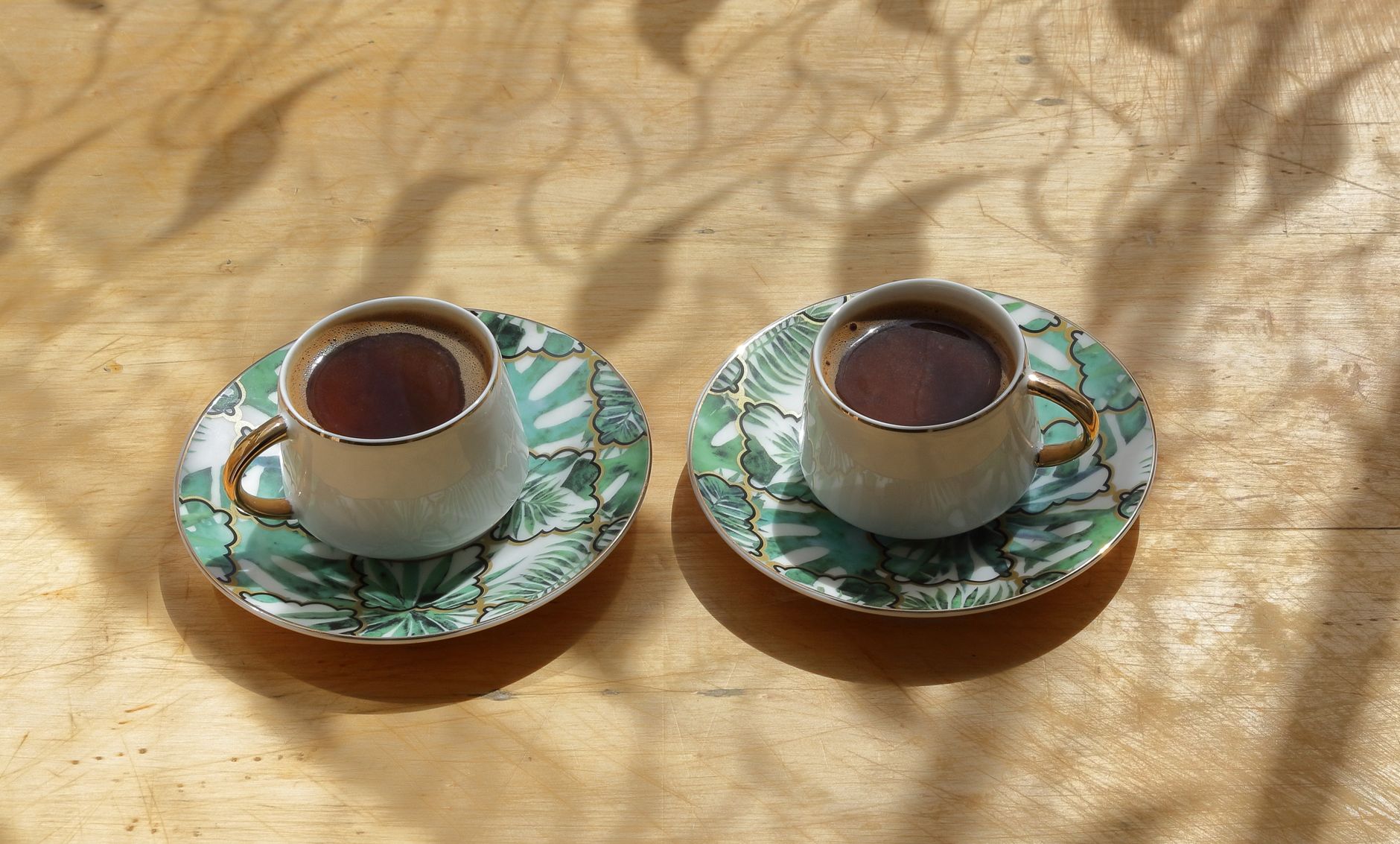
Coffee is a beloved beverage for many, providing energy and comfort in daily routines. However, for individuals with diverticulitis, the question of whether coffee is harmful can be complex. This article will explore the relationship between coffee and diverticulitis, offering insights into dietary considerations, potential effects, and recommendations for managing symptoms.
Understanding diverticulitis—an inflammation or infection of small pouches that can form in the walls of the digestive tract—helps clarify dietary choices. When considering coffee consumption, it’s essential to assess how this popular drink might impact digestive health and overall well-being.
Is Coffee Bad for Diverticulitis?
The relationship between coffee and diverticulitis is not straightforward. While some studies suggest that coffee may exacerbate symptoms for certain individuals, others indicate that moderate consumption may not be harmful. Factors such as individual tolerance, preparation methods, and the presence of additional digestive issues also play a role.
Understanding Diverticulitis
Diverticulitis occurs when diverticula—small bulging pouches—become inflamed or infected. Common symptoms include abdominal pain, fever, constipation, and diarrhea. Dietary management is crucial for those with diverticulitis, particularly during flare-ups.
- Causes: Although the precise cause is still being studied, a low-fiber diet is often associated with increased risk.
- Symptoms: Patients may experience severe abdominal pain, changes in bowel habits, and gastrointestinal discomfort.
- Treatment: Management typically includes dietary changes, antibiotics, and, in severe cases, surgery.
The Role of Diet in Diverticulitis Management
Diet plays a crucial role in the management of diverticulitis. High-fiber diets are commonly recommended to prevent diverticular disease. When a flare-up occurs, a low-fiber diet may be advised to allow the digestive system to rest.
High-Fiber Foods
Foods rich in fiber are essential for maintaining digestive health and preventing diverticulitis. These include:
- Fruits and vegetables
- Whole grains
- Legumes
- Nuts and seeds (if tolerated)
Low-Fiber Foods During Flare-Ups
During acute phases of diverticulitis, it may be beneficial to limit fiber intake. Suitable low-fiber foods include:
- White rice
- Pasta
- Cooked vegetables without skins
- Lean meats
Caffeine and Its Effects
Caffeine, a natural stimulant found in coffee, may have various effects on the gastrointestinal tract. While caffeine can promote bowel movements in some individuals, its role in diverticulitis is still being investigated.
Potential Negative Effects of Caffeine
Some studies have suggested that caffeine might contribute to gastrointestinal discomfort by:
- Increasing gastric acid production
- Stimulating bowel contractions
- Exacerbating symptoms in sensitive individuals
Potential Positive Effects of Coffee
On the flip side, moderate coffee consumption has been linked to a lower risk of certain gastrointestinal disorders, including some types of colorectal disease. Additionally, the antioxidants present in coffee may provide protective benefits.
Individual Tolerance to Coffee
Individual responses to coffee can vary widely. Some people with diverticulitis may find that coffee irritates their symptoms, while others may not experience any adverse effects. It’s essential to observe personal reactions and adjust consumption accordingly.
Monitoring Symptoms
If you’re living with diverticulitis, keeping a food diary can help track how coffee affects your symptoms. Note any gastrointestinal discomfort or flare-ups in relation to coffee consumption to identify your tolerance level.
Recommendations for Coffee Consumption
For those with diverticulitis, the following tips may help moderate coffee intake and minimize potential negative effects:
- Start with a small amount of coffee and observe your body’s response.
- Consider opting for decaffeinated coffee if caffeine appears to exacerbate symptoms.
- Monitor temperature; very hot beverages may irritate the digestive tract.
- Limit or avoid additives like cream and sugar, which may contribute to gastrointestinal discomfort.
Alternative Beverages to Consider
If coffee is problematic, there are several alternative beverages that may be gentler on the digestive system:
- Herbal teas: Non-caffeinated options like peppermint or ginger can aid digestion.
- Green tea: Contains antioxidants and offers a gentler caffeine dose.
- Bone broth: Nutritious and soothing for the digestive tract.
Cooking with Coffee
If coffee fits your digestive needs, consider incorporating it into recipes thoughtfully. Here are some ways to use coffee in your cooking:
Flavor Enhancer
Adding coffee to marinades or spice rubs can enhance flavors in meat dishes. It imparts a subtle richness that pairs well with beef and pork.
Desserts
In moderation, coffee can be used in desserts like tiramisu or as a flavoring in cakes and ice creams. It can provide a depth of flavor without overwhelming sweetness.
Breakfast
Coffee can also be a delightful addition to breakfast recipes, such as coffee-flavored pancakes or smoothies.
Consulting a Healthcare Professional
When making any dietary changes, especially if you have diverticulitis, it’s crucial to consult with a healthcare professional or a registered dietitian. They can provide personalized guidance based on your health history and symptoms.
Conclusion: Finding Your Balance
The question of whether coffee is bad for diverticulitis largely depends on individual tolerance and response. While moderation and careful observation are key, maintaining a high-fiber diet remains essential for managing this condition. Remember to listen to your body and consult with a healthcare professional for tailored advice.
For further exploration, consider checking out our guides for gluten-free options at Is Coffee Gluten-Free? and boosting your morning routine with the Protein Coffee Recipe.