
Coffee is one of the world’s most beloved beverages, enjoyed by millions each day. But is coffee a fruit or a vegetable? The answer might surprise you. Coffee comes from the coffee bean, which is actually the seed of a fruit. Understanding its classification can enhance your appreciation for this beverage and how it fits into our diet.
In this article, we will explore the botanical classification of coffee, its culinary uses, and how to incorporate it into various cooking and baking techniques. We will also touch on the nutritional aspects, coffee varieties, and ways to enjoy coffee in your meals beyond just a drink.
Is Coffee a Fruit or Vegetable?
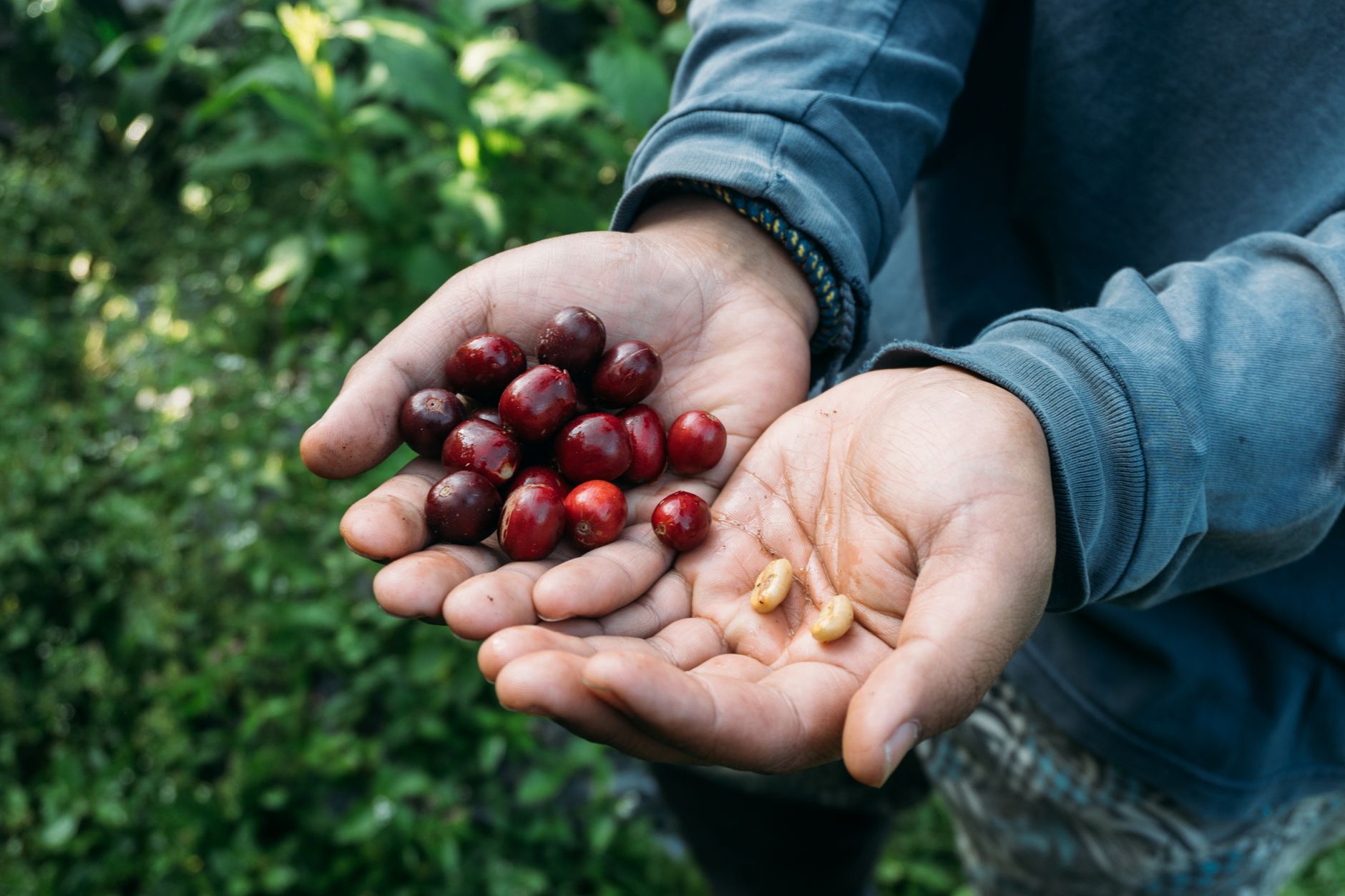
Coffee is classified as a fruit. Specifically, it comes from the coffee cherry, a small red or purple fruit that grows on coffee plants. Each cherry typically contains two seeds, which we recognize as coffee beans. While you might consider it a beverage staple, it’s essential to acknowledge its fruity origins.
Understanding Coffee’s Botanical Background
The coffee plant belongs to the Rubiaceae family, with two primary species cultivated for commercial purposes: Coffea arabica and Coffea canephora (commonly known as Robusta). Both species produce cherries, which are harvested, processed, and roasted to create the coffee we consume.
Characteristics of Coffee Cherries
Understanding the characteristics of coffee cherries can help you appreciate the complexity of flavors in your cup. Here are some key traits:
- Color: Coffee cherries can be red, yellow, or even orange when ripe.
- Size: They are typically about the size of a grape.
- Flavor: The flesh of the cherry has a sweet, pulpy texture that can be enjoyed fresh, though most cherries are processed for the seeds inside.
From Cherry to Coffee: The Processing Journey
Once harvested, coffee cherries undergo several processes before becoming the beans we roast. Here’s a breakdown of how cherries turn into coffee:
Harvesting
Coffee cherries are usually hand-picked when they are ripe. This labor-intensive process ensures that only the best cherries are selected, which is crucial for high-quality coffee.
Processing Methods
After harvesting, cherries are processed in one of several ways:
- Wet Processing: The pulp is removed from the cherries immediately after harvesting, leaving the beans to ferment before washing and drying.
- Dry Processing: Cherries are spread out in the sun to dry before the pulp is removed, which can impart a different flavor profile.
- Honey Processing: A hybrid of wet and dry, where some mucilage remains on the beans during drying, resulting in a sweet flavor.
Roasting
Roasting is the final step in coffee production, where green beans are heated to develop their flavor. The temperature and duration can significantly impact the taste and aroma of the coffee.
Cooking With Coffee: Beyond the Cup
Coffee can be a versatile ingredient in cooking and baking, lending depth and richness to various dishes. Here are some practical ways to incorporate it into your meals:
Coffee in Savory Dishes
Adding coffee to savory meals can enhance flavors, particularly in meat dishes. Here are some ideas:
- Marinades: Use brewed coffee or coffee grounds in marinades for meats. The acidity and bitterness can tenderize the meat while adding richness.
- Chili and Stews: Incorporate a bit of brewed coffee or espresso into chili or stews to deepen the flavor profile.
- Glazes: Combine coffee with balsamic vinegar or soy sauce to create a unique glaze for grilled meats.
Coffee in Baked Goods
Coffee can elevate desserts and baked goods in delightful ways. Consider these ideas:
- Coffee Cake: Add coffee to your coffee cake batter for an extra punch of flavor.
- Chocolate Desserts: Incorporate brewed coffee or espresso powder into chocolate recipes to enhance the chocolate’s richness.
- Ice Cream: Make coffee-flavored ice cream or gelato for a refreshing treat.
Popular Coffee Varieties and Their Flavor Profiles
Understanding the different types of coffee can help you choose the right variety for your culinary needs. Here’s a look at some popular coffee types:
Arabica
Coffea arabica is considered to have a smoother, more delicate flavor, often with notes of fruit and sugar. It’s commonly used in specialty coffees and is favored for its aromatic qualities.
Robusta
Coffea canephora, or robusta, has a stronger, harsher taste and is higher in caffeine. It is often used in espresso blends for added crema and a more potent punch.
Single-Origin Coffees
These coffees come from a specific region, farm, or even crop. They can have distinctive flavors based on where they’re grown. Tasting single-origin coffees can assist with understanding how the environment influences flavor.
Nutritional Aspects of Coffee
Coffee provides several benefits, though its consumption should be measured. Here’s what you need to know:
Caffeine Content
Caffeine is the primary active component in coffee. While some individuals may be sensitive to caffeine, moderate consumption is generally considered safe for most adults.
Antioxidants
Coffee is a rich source of antioxidants, which can help fight oxidative stress in the body. This makes it a beneficial addition to a balanced diet.
Health Benefits
Research suggests that moderate coffee consumption may have various health benefits, including reduced risks of certain diseases. However, it should not be viewed as a medicinal solution.
Practical Tips for Brewing the Perfect Cup of Coffee
The way you brew coffee can significantly affect its flavor. Here are some essential tips for brewing the best cup:
- Quality Beans: Always start with fresh, high-quality coffee beans. Consider your preferred flavor profile and choose accordingly.
- Grind Just Before Brewing: Coffee beans lose freshness quickly after grinding. For the best flavor, grind your beans just before brewing.
- Water Temperature: The ideal brewing temperature is between 195°F and 205°F. Water that is too hot can produce bitter flavors, while water that is too cool can result in under-extraction.
- Brew Time: Adjust the brew time based on your brewing method. For example, a French press typically requires around four minutes, while an espresso shot takes about 25 seconds.
Common Brewing Methods
Here’s an overview of popular coffee brewing methods and what they bring to the table:
- French Press: Produces a rich and full-bodied flavor.
- Pour Over: Allows for greater control over brew time and water flow, enhancing clarity and complexity.
- Espresso: A concentrated coffee brew with a thicker consistency and creamier mouthfeel.
- Cold Brew: A smooth, less acidic coffee that is perfect for iced drinks.
Storage Tips for Coffee
Proper storage of coffee beans or grounds is essential for maintaining freshness. Consider these tips:
Keep Coffee Cool and Dark
Store coffee in a cool, dark place, away from heat and light, to preserve its quality. A cupboard or pantry is usually suitable.
Airtight Container
Use an airtight container to keep your coffee protected from air, which can lead to staleness. Avoid storing coffee in the fridge or freezer, as moisture can affect flavor and aroma.
Buy in Small Amounts
Opt for smaller quantities of coffee that you can consume more quickly. This helps ensure you are always using fresh beans.
Exploring Coffee-Flavored Beverages
Coffee can also be enjoyed in various beverages beyond the classic cup. Consider these options:
Iced Coffee
Refreshing and versatile, iced coffee can be made by brewing hot coffee and chilling it or preparing it as cold brew. Enhance it with milk, syrups, or flavored creamers.
Coffee Cocktails
Coffee can be a delightful base for cocktails. Consider experimenting with espresso martinis or coffee-infused spirits.
Bulletproof Coffee
This high-fat coffee drink combines brewed coffee with butter and MCT oil, popular in certain diet circles for its perceived energy-boosting properties.
Conclusion
Coffee, classified as a fruit, offers a wealth of flavors and culinary potential beyond your morning cup. From enhancing savory dishes to featuring in delightful desserts, understanding coffee’s origins and uses can enrich your cooking experience. Consider experimenting with coffee in both your beverages and your meals; you may discover a new favorite recipe!
Explore more about coffee, its uses, and other recipes in our guides on coffee gluten-free options and how to make coffee syrup.