
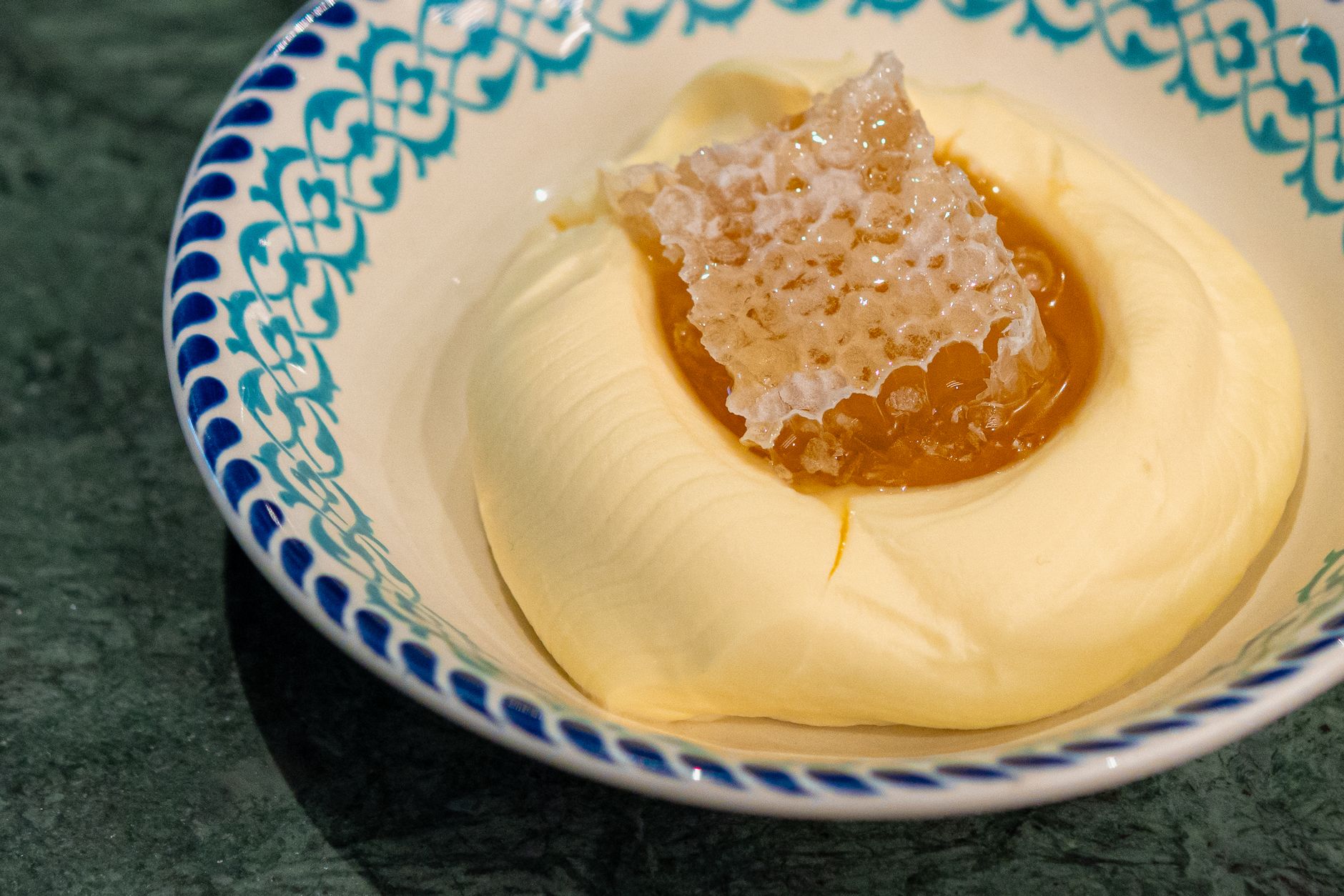
Clotted cream is a rich dairy product, traditionally associated with British cuisine, particularly as an accompaniment to scones and desserts. Its unique flavor profile and creamy texture elicit curiosity—many wonder, is clotted cream sweet? This article explores the taste, texture, uses, and variations of clotted cream.
Understanding clotted cream’s sweetness involves examining its ingredients, preparation method, and serving suggestions. While it has a natural buttery taste, it is not sweet in the conventional sense like whipped cream or frosting. Instead, its flavor serves as an excellent base for both sweet and savory dishes.
Is Clotted Cream Sweet?
Clotted cream is not inherently sweet. It is made from cream that has been slowly heated and then cooled, allowing the cream to thicken and form clots. This process gives clotted cream a rich, buttery flavor without added sweetness. Nonetheless, it pairs wonderfully with sweet food, balancing flavors beautifully.
What is Clotted Cream?
Clotted cream is a thick, creamy substance that originated in England. It is made by heating full-fat cow’s cream at a low temperature for a period, causing the cream to separate and form clots. The result is a product that is rich in flavor and has a velvety texture. It typically has a fat content between 55% and 60%.
The traditional method of making clotted cream involves using unpasteurized cream, but much commercial clotted cream nowadays is made from pasteurized cream. It is essential to note that clotted cream is different from whipped cream or sour cream, both in terms of texture and flavor. Clotted cream has a denser and richer consistency.
Flavor Profile of Clotted Cream
The flavor of clotted cream can be described as mildly sweet and rich with a buttery essence. However, it does not taste sweet like sugar or flavored creams. Instead, its creaminess provides a luxurious mouthfeel that enhances any dish it accompanies. When slathered on a freshly baked scone, for example, it complements the sweetness of the scone without overpowering it.
When assessing its taste, consider the following factors:
- Fat Content: The high-fat percentage contributes significantly to its rich and buttery flavor.
- Serving Temperature: Served at room temperature, clotted cream becomes even more spreadable and flavorful.
- Accompaniments: It harmonizes excellently with jams, preserves, and fruits, enhancing their sweetness while maintaining its natural depth.
Texture of Clotted Cream
The texture of clotted cream is another hallmark of its appeal. It is thick and spreadable, akin to a soft cream cheese or softened butter. As you spread clotted cream, it holds its shape while becoming creamy and velvety in your mouth.
Some of the main texture characteristics include:
- Thick and Dense: Unlike liquid cream, clotted cream has a substantial feel, making it suitable for spreading.
- Silky Smooth: It melts in your mouth, providing a pleasant contrast when paired with crispy or flaky pastries.
- Clotted Set: Small lumps or ‘clots’ are visible in the cream, which adds to its unique appearance and mouthfeel.
How to Use Clotted Cream
Clotted cream is incredibly versatile and can be used in various culinary contexts. Here are some popular serving suggestions:
In Sweet Dishes
- Scones and Jam: The classic way to enjoy clotted cream is with freshly baked scones and fruit preserves, particularly strawberry jam.
- Desserts: It can be elegantly served alongside fruit tarts, pies, or trifles to add richness.
- Drizzle over Berries: Use it to complement fresh berries for a simple yet luxurious dessert.
In Savory Dishes
- Cheese Board: Pair it with cheeses and crackers for an indulgent touch to a cheese platter.
- Soups: A dollop of clotted cream enhances flavors in creamy soups.
- Spread on Bread: Use it as a spread on artisanal bread for a gourmet toast experience, possibly topped with savory toppings.
Making Clotted Cream at Home
Making clotted cream at home is simple, requiring just heavy cream and some patience. Here’s how to do it:
Ingredients
- 2 cups of heavy cream (preferably unpasteurized)
Equipment
- A shallow baking dish
- A oven
- A refrigerator
- A whisk or spatula
Instructions
- Preheat your oven to 175°F (80°C).
- Pour the heavy cream into a shallow baking dish.
- Place the baking dish in the oven for 8 to 12 hours. The longer it sits, the thicker it will become.
- After the time has elapsed, remove the dish and let it cool down at room temperature.
- Once cooled, cover with plastic wrap and refrigerate for at least 12 hours.
- After chilling, you will see a thick layer formed on the surface. Gently scoop it out into a bowl. Stir lightly to achieve a smooth but thick consistency.
Your homemade clotted cream is now ready to be served!
Substituting Clotted Cream
If you cannot find clotted cream or prefer a lighter option, there are several substitutes you can use, each with its flavor and texture variations:
- Heavy Whipping Cream: Whip heavy cream until soft peaks form for a lighter, sweeter alternative.
- Mascarpone Cheese: This is rich and creamy, akin to clotted cream, though with a slightly sweeter profile. Use it in similar amounts.
- Creme Fraiche: Adds a mild tang and creaminess; while not as thick, it complements sweets well.
- Whipped Coconut Cream: For a dairy-free alternative, whip chilled coconut cream. The tropical flavor will introduce a different element to your dishes.
When substituting, keep in mind how the switch may alter the taste and texture of your dish. Clotted cream provides a unique richness that other creams may not replicate fully.
Common Mistakes When Dealing with Clotted Cream
To ensure success with recipes involving clotted cream or making it at home, consider these common pitfalls:
- Overheating: Cooking the cream at too high a temperature can result in a burnt flavor or a grainy texture.
- Not Enough Time: Rushing the cooling and setting process can prevent the cream from thickening properly.
- Trying to Substitute Incorrectly: While there are substitutes for clotted cream, not all will yield the desired richness, especially in traditional recipes.
- Improper Storage: Store clotted cream in a sealed container in the refrigerator. It generally lasts for up to a week.
Storage and Shelf Life of Clotted Cream
Clotted cream can be stored in the refrigerator for about one week. To ensure that it remains fresh:
- Keep it in an airtight container to maintain its quality.
- Make sure to only use clean utensils when scooping out portions to avoid introducing bacteria.
Freezing clotted cream is not advisable, as it may change the texture and flavor upon thawing. It is best enjoyed fresh or within a week of making it.
Conclusion
Clotted cream, with its rich texture and buttery flavor, adds a luxurious touch to both sweet and savory dishes. While it lacks inherent sweetness, it enhances the flavor of various accompaniments, making it a delightful addition to many recipes. Whether you choose to make it at home or find it in a specialty store, its unique characteristics make clotted cream a beloved staple in culinary circles.
For further culinary inspiration, consider exploring our recipes for a delicious Cottage Cheese Dip or a refreshing Cottage Cheese Mousse to find new ways to enhance your meals.