
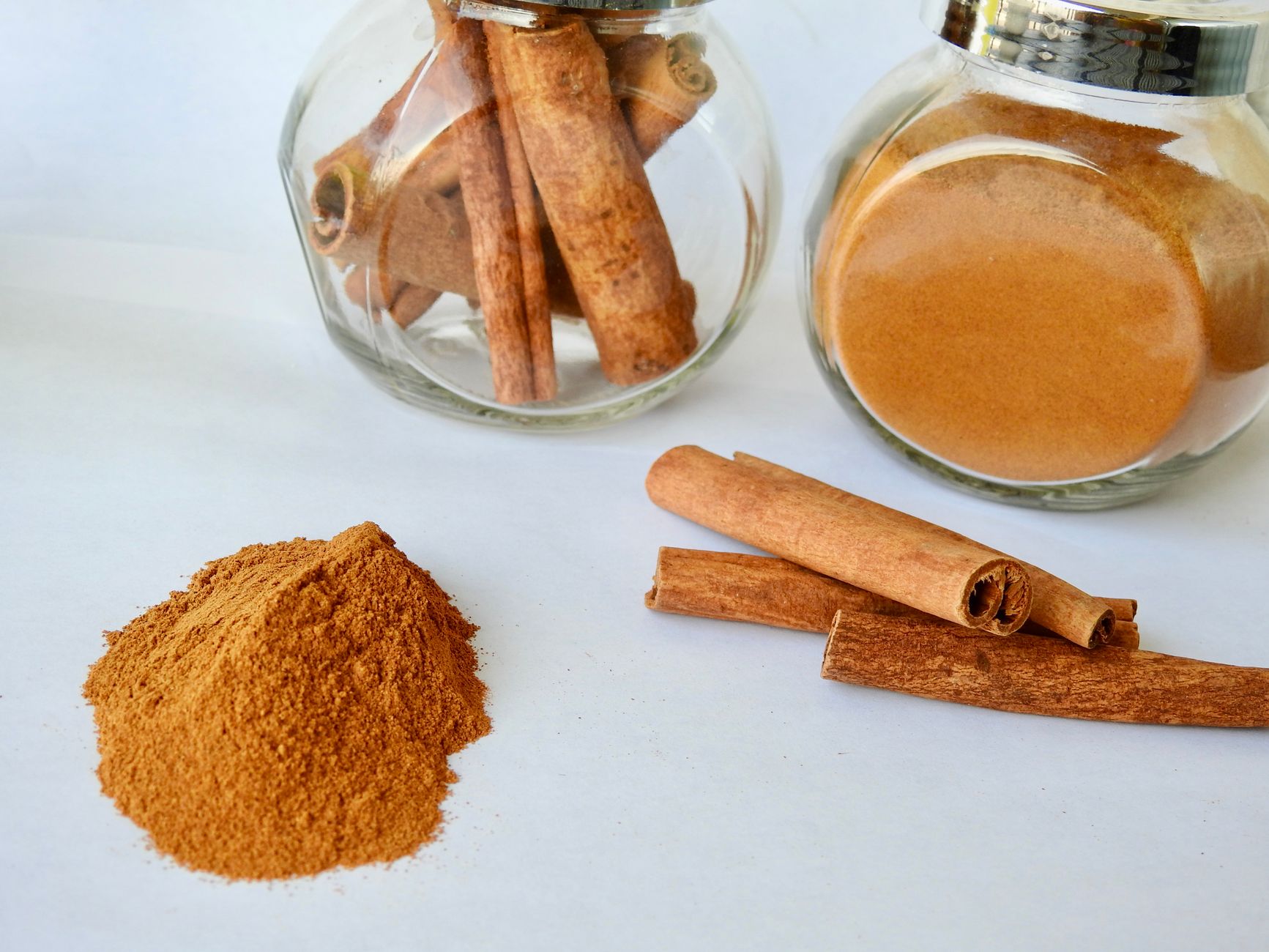
Cinnamon is a beloved spice known for its warm and sweet flavor, commonly used in various dishes from sweet desserts to savory dishes. With the rise of gluten-free diets, many people are curious about the gluten status of cinnamon. Is cinnamon gluten-free? This article will explore the answer and provide practical tips for reading labels, selecting cinnamon, and incorporating it into your meals.
Understanding whether cinnamon is gluten-free is essential for those with celiac disease or gluten intolerance. In this guide, we will discuss the properties of cinnamon, how to choose gluten-free options, and tips on cooking and baking with cinnamon.
Is Cinnamon Gluten Free?
Yes, cinnamon is naturally gluten-free. It is a spice derived from the inner bark of Cinnamomum trees, making it free from wheat and gluten proteins. However, cross-contamination can occur during processing or packaging, so it’s important to be vigilant when selecting cinnamon products.
Types of Cinnamon
There are two primary types of cinnamon, each with distinct flavors and uses:
- Ceylon Cinnamon: Also known as “true cinnamon,” this variety is sweeter and more delicate in flavor. It is often preferred for baking and desserts.
- Cassia Cinnamon: More common in supermarkets, cassia cinnamon has a stronger and spicier flavor. It is often used in savory dishes and spice blends.
Label Reading for Cinnamon
While cinnamon itself is gluten-free, it’s crucial to check labels for potential gluten-containing additives. Here are some key guidelines for label reading:
1. Look for Certifications
Select cinnamon products that have gluten-free certifications. These certifications ensure the product has been tested for gluten content and meets safety standards.
2. Check Ingredients
Read the ingredient list for any hidden gluten sources. Some processed cinnamon products may contain additives or anti-caking agents that could contain gluten. Look for pure cinnamon without additional ingredients.
3. Avoid Bulk Bins
While bulk spices can be budget-friendly, they can also pose a risk for cross-contamination. If using bulk spices, ensure that the source has strict gluten-free practices.
Choosing and Storing Cinnamon
To maximize the flavor and quality of cinnamon in your dishes, consider the following tips for choosing and storing cinnamon:
1. Purchase Fresh Cinnamon
Choose whole cinnamon sticks when possible, as they retain flavor longer than ground cinnamon. If buying ground cinnamon, check the expiration date to ensure freshness.
2. Proper Storage
Store cinnamon in a cool, dark place to prevent it from losing flavor. Keep it in an airtight container to protect it from moisture and air exposure. Avoid keeping cinnamon near heat sources, which can also diminish its quality.
Culinary Uses of Cinnamon
Cinnamon’s unique flavor profiles allow it to be versatile in both sweet and savory dishes. Here are some popular culinary uses of cinnamon:
1. Baking and Desserts
Cinnamon is a staple in many baked goods, such as cinnamon rolls, cookies, and cakes. Its warm notes add depth to desserts like Apple Crisp or Spice Cake.
2. Breakfast Foods
Sprinkle cinnamon on oatmeal, pancakes, or French toast for added flavor. It can also enhance smoothies or chia seed pudding.
3. Savory Dishes
In savory dishes, cinnamon can add warmth and complexity. Use it in stews, curries, or Moroccan tagines for a unique twist.
4. Beverages
Cinnamon can elevate drinks, such as chai, hot chocolate, or spiced cider. It can be infused in teas or sprinkled on coffee for added aroma and flavor.
Practical Cinnamon Recipes
Experimenting with cinnamon in your cooking can yield delightful results. Here are a couple of recipes that highlight the spice’s versatility:
Cinnamon Roll Recipe with Heavy Cream
Yield: 12 rolls
Preparation Time: 30 minutes (plus rising time)
Cooking Time: 25 minutes
Total Time: Approximately 2 hours
Ingredients
- 4 cups all-purpose gluten-free flour blend
- 1 cup milk (warm)
- 1/3 cup granulated sugar
- 1 packet (2 1/4 tsp) instant yeast
- 1/4 cup butter (melted)
- 1 large egg
- 1 tablespoon cinnamon
- 1/2 cup brown sugar
- 1 cup heavy cream
- 1/2 teaspoon salt
Equipment
- Mixing bowl
- Rolling pin
- Baking dish
- Electric mixer (optional)
Method
- In a large mixing bowl, whisk together warm milk, yeast, and granulated sugar. Let it sit for about 5–10 minutes until frothy.
- Add melted butter, egg, cinnamon, salt, and flour blend to the yeast mixture. Mix until a dough forms.
- Knead the dough on a floured surface until smooth. Place it in a greased bowl, cover, and let rise in a warm area for 1 hour.
- Preheat the oven to 350°F (175°C).
- Roll out the dough on a floured surface into a rectangle. Spread softened butter, then sprinkle with cinnamon and brown sugar.
- Roll the dough tightly and cut into 12 equal rolls. Place them in a greased baking dish.
- Pour heavy cream over the rolls and let them rise for an additional 30 minutes.
- Bake for 25 minutes or until golden brown. Let cool, then serve warm.
Dollywood Cinnamon Bread Recipe
This recipe allows you to recreate the famous Dollywood Cinnamon Bread at home!
Yield: 10 servings
Preparation Time: 20 minutes
Cooking Time: 30 minutes
Total Time: 50 minutes
Ingredients
- 1 loaf gluten-free bread
- 1/2 cup melted butter
- 1 cup sugar
- 2 tablespoons cinnamon
- 1/2 cup powdered sugar (for glaze)
- 1 tablespoon milk (for glaze)
Method
- Preheat the oven to 350°F (175°C).
- Brush the melted butter on all sides of the gluten-free bread.
- Combine sugar and cinnamon in a bowl. Coat the bread evenly with the sugar mixture.
- Bake in the preheated oven for 30 minutes.
- Mix powdered sugar and milk to create a glaze. Drizzle over the warm bread before serving.
Common Mistakes and Troubleshooting
When using cinnamon in your cooking and baking, it’s essential to be aware of some common pitfalls:
1. Overuse of Cinnamon
Too much cinnamon can overpower the flavors of your dish. Always start with less and adjust according to taste.
2. Not Storing Properly
Cinnamon can lose its potency if not stored correctly. Ensure it’s kept in an airtight container away from light and moisture.
3. Confusing Types of Cinnamon
Understanding the difference between Ceylon and Cassia cinnamon is crucial for desired flavor profiles. Use Ceylon for sweet dishes and Cassia for spicier, savory dishes.
Make-Ahead and Storage Tips
When cooking or baking with cinnamon, consider these make-ahead and storage tips:
1. Prepare Cinnamon Sugar Ahead
Mix sugar and cinnamon ahead of time to have it ready for recipes. Store in a labeled airtight container to retain freshness.
2. Batch Cook and Freeze
Bake cinnamon rolls or bread in larger batches and freeze them. When needed, defrost and reheat for quick treats.
3. Store in Small Batches
Keep small quantities of cinnamon accessible, while storing the larger portion away to enhance freshness and flavor longevity.
Final Thoughts
Cinnamon is not only gluten-free but also an incredibly versatile spice that can elevate your meals in numerous ways. Whether you’re baking sweet treats or adding depth to savory dishes, it’s important to choose high-quality ingredients to ensure the best flavor. Always remember to check labels and purchase from trusted brands to avoid any potential gluten contamination.
Next time you are at the store, don’t hesitate to explore different types of cinnamon and discover new ways to enjoy this aromatic spice. To get started, why not try making some cinnamon rolls or attempt the famous Dollywood cinnamon bread? Happy cooking!
For more delicious recipes, check out our Dollywood Cinnamon Bread Recipe and Cinnamon Roll Recipe with Heavy Cream.