
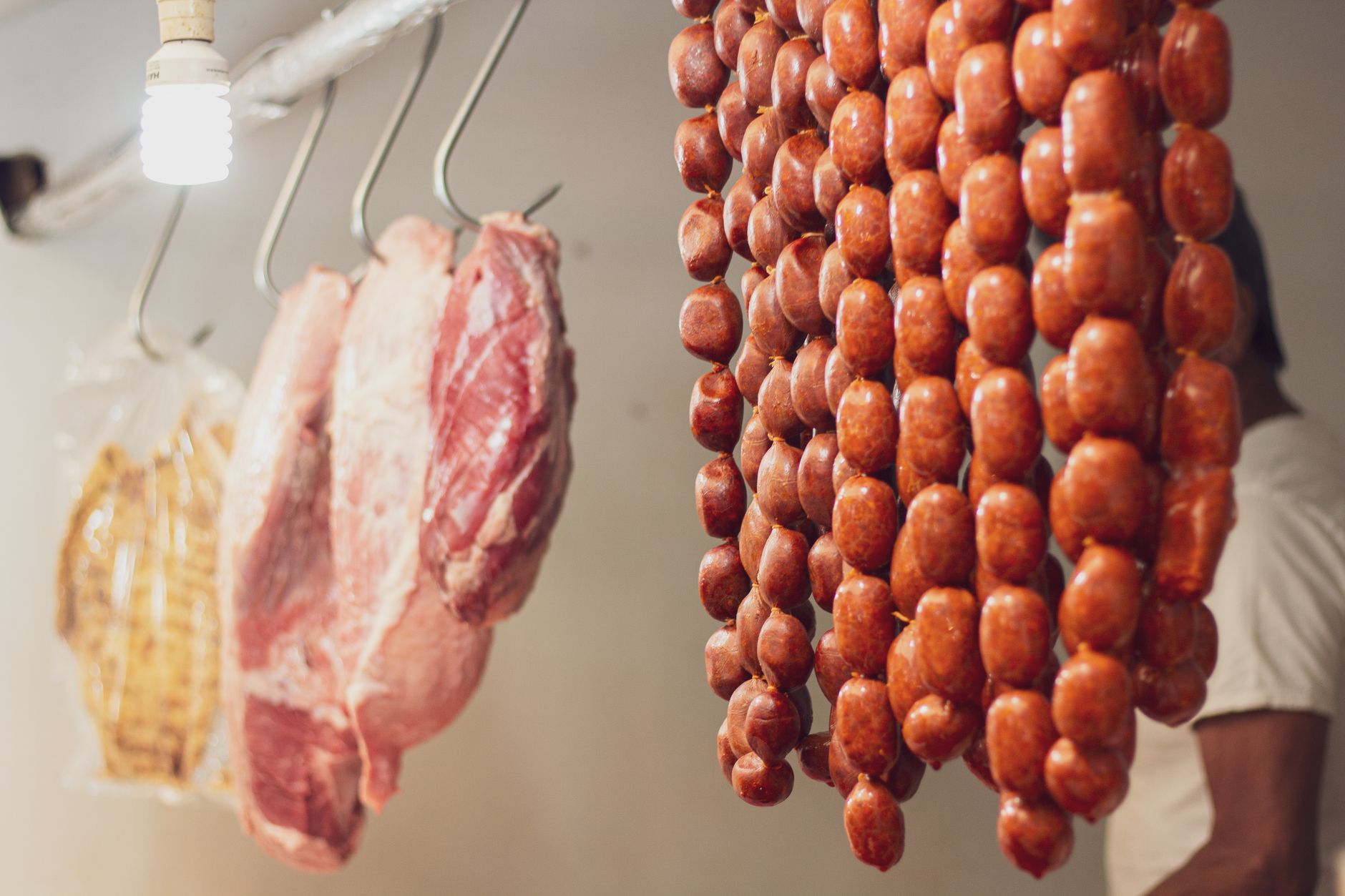
Chorizo, a popular sausage known for its distinctive smoky flavor and vibrant red color, has gained immense popularity across various cuisines. Often used in dishes like paella, tacos, and breakfast burritos, it is loved for its savory and spicy profile. However, many people wonder: is chorizo a healthy choice?
This article will explore the nutritional aspects of chorizo, its potential health benefits and drawbacks, and how to incorporate it into a balanced diet. From understanding its ingredients to making informed choices in meals, we will provide a comprehensive look at this beloved sausage.
Is Chorizo Healthy?
Yes, chorizo can be considered healthy in moderation, but it comes with caveats. It is rich in flavor and protein but also high in fat, calories, and sodium. Understanding how it fits into your diet is crucial for making healthy choices.
What is Chorizo?
Chorizo is a type of pork sausage seasoned with spices, primarily smoked paprika, which gives it a characteristic red color. It is popular in Spanish, Mexican, and Portuguese cuisines, leading to regional variations of the sausage.
- Types of Chorizo: There are primarily two types: Spanish chorizo, which is cured and can be eaten raw, and Mexican chorizo, which is fresh and must be cooked before consumption.
- Ingredients: Common ingredients include ground pork, smoked paprika, garlic, chili powder, and salt. However, recipes and quality can vary significantly, impacting the overall healthiness.
Nutritional Breakdown of Chorizo
To understand the health implications of chorizo, let’s delve into its nutritional composition. The exact numbers may vary by brand and recipe, but here is a general breakdown for a typical 100-gram serving of Mexican chorizo:
| Nutrient | Amount |
|---|---|
| Calories | 300 |
| Total Fat | 25g |
| Saturated Fat | 10g |
| Protein | 18g |
| Carbohydrates | 2g |
| Sodium | 1200mg |
Health Benefits of Chorizo
Despite its high fat content, chorizo does offer some nutritional advantages:
- High in Protein: With approximately 18 grams of protein per 100 grams, chorizo can contribute to daily protein needs, which is essential for muscle repair and overall health.
- Rich in Flavor: The vibrant spices used in chorizo enhance the taste of dishes without needing excessive amounts of other high-caloric ingredients, like oils or heavy sauces.
- Source of Vitamins and Minerals: Chorizo contains essential vitamins like B12, vital for nerve function and red blood cell production. It also has zinc, necessary for immune health.
Health Concerns of Chorizo
While chorizo can be included in a healthy diet, there are several factors to consider due to its potential drawbacks:
- High in Saturated Fat: Chorizo contains a significant amount of saturated fat, which can contribute to heart disease if consumed in excess. Moderation is key.
- High Sodium Levels: With approximately 1200 mg of sodium per serving, it is important for those managing hypertension to be cautious about intake.
- Processed Meat Risks: Due to its classification as a processed meat, regular consumption may be associated with an increased risk of certain health issues, including cancer.
How to Incorporate Chorizo into a Balanced Diet
To enjoy chorizo while maintaining a healthy diet, consider these tips:
- Portion Control: Use smaller amounts of chorizo to add flavor without overindulging in calories or fat. A little can go a long way.
- Sneak in Veggies: Combine chorizo with vegetables in dishes like stir-fries or frittatas to boost nutrient intake and balance the meal.
- Choose Quality Over Quantity: Opt for chorizo made with natural ingredients and minimal preservatives. Artisan brands often use better quality meat and spices.
- Balance with Whole Grains: Serve chorizo with whole grains like brown rice or quinoa for added fiber, which can help mitigate blood sugar spikes.
Recipe Ideas Using Chorizo
Here are a few ideas to use chorizo wisely in your meals:
Chorizo and Vegetable Frittata
This dish provides a healthy breakfast packed with protein and vegetables. It’s quick to prepare and perfect for meal prep.
- Servings: 4
- Preparation Time: 10 minutes
- Cooking Time: 20 minutes
Ingredients:
- 200 grams of Mexican chorizo, casing removed
- 6 large eggs
- 1 cup fresh spinach
- 1/2 bell pepper, chopped
- 1/2 onion, chopped
- Salt and pepper, to taste
- Olive oil, for cooking
Method:
- Preheat the oven to 180°C (350°F).
- In an oven-safe skillet, heat olive oil over medium heat. Add onion and bell pepper, sauté until softened.
- Add chorizo, cooking until browned.
- Stir in spinach until wilted. Season with salt and pepper.
- Whisk the eggs in a bowl and pour over the chorizo mixture. Cook for a few minutes until the edges are set.
- Transfer the skillet to the oven and bake for 10-12 minutes or until the eggs are fully set.
- Slice and serve warm.
Chorizo Tacos
These flavorful tacos are easy to make and customizable with your favorite toppings.
- Servings: 4
- Preparation Time: 10 minutes
- Cooking Time: 15 minutes
Ingredients:
- 200 grams of chorizo
- 8 small corn tortillas
- 1 avocado, sliced
- 1 cup cabbage, shredded
- Fresh cilantro, for garnish
- Lime wedges, for serving
Method:
- In a skillet over medium-high heat, cook chorizo until browned and cooked through, about 5-7 minutes.
- Warm corn tortillas in a separate pan or directly over a gas flame for a few seconds on each side.
- Assemble tacos by adding chorizo to each tortilla and topping with cabbage, avocado, and cilantro.
- Serve with lime wedges on the side.
Possible Substitutions for Chorizo
If you’re looking for alternatives to chorizo due to dietary restrictions or preferences, consider the following substitutions:
- Plant-Based Sausages: Various brands offer vegan or vegetarian chorizo that mimics the spice and flavor profiles of traditional chorizo.
- Ground Turkey or Chicken: For a leaner option, use ground turkey or chicken seasoned with smoked paprika, garlic, and chili powder.
- Other Spicy Sausages: Italian sausage or andouille sausage could be used, adjusting spices accordingly to replicate chorizo’s flavor.
Common Mistakes When Cooking with Chorizo
Here are some pitfalls to avoid when working with chorizo:
- Overcooking: Chorizo can become dry and tough if overcooked. Monitor heat and cooking times to prevent this.
- Underestimating Flavor: Because of its strong flavor profile, using too much can overpower other dish components. Balance is essential.
- Ignoring Quality: Low-quality chorizo may contain fillers or preservatives. Opt for brands that specify natural and local ingredients.
Storage and Reheating Tips for Chorizo
To maintain freshness and safety when storing and reheating chorizo, consider these guidelines:
- Refrigeration: Keep uncooked chorizo in the refrigerator, sealed in an airtight container. Consumed within a week is ideal.
- Freezing: Chorizo can be frozen for longer storage. Wrap it tightly in plastic wrap and place it in a freezer bag. Use within three months for best quality.
- Reheating: When reheating, ensure it’s heated through to an internal temperature of 74°C (165°F) to ensure food safety.
Conclusion
Chorizo can be a flavorful addition to dishes if used wisely. By being mindful of portion sizes and choosing quality ingredients, it can fit into a balanced diet. Whether you enjoy it in tacos or a hearty frittata, consider its role in your meals and how it complements overall nutrition.
For more culinary insights, check out our articles on the health benefits of salami and learn more about the health aspects of chorizo.