
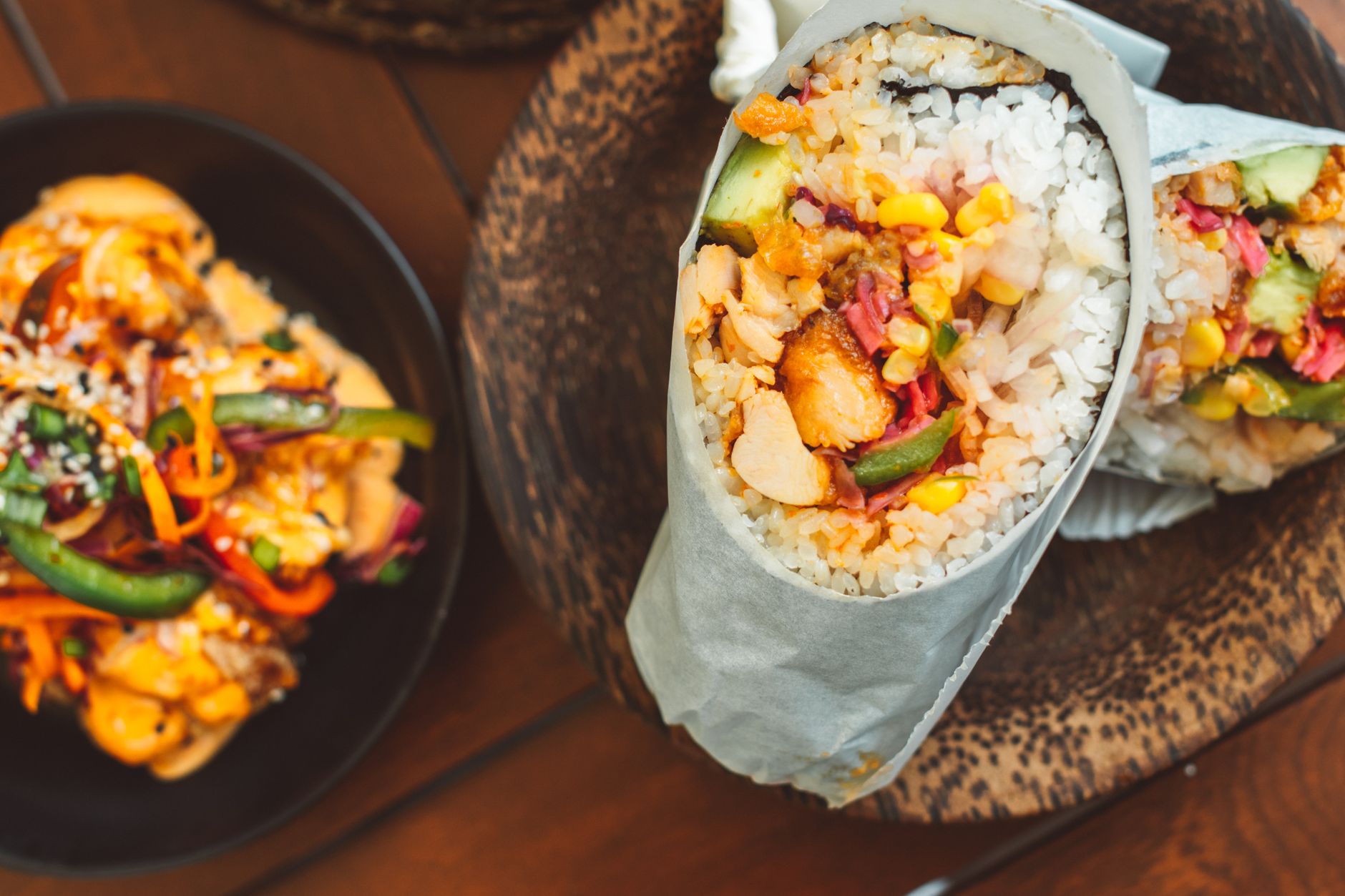
When considering a meal from Chipotle, many people wonder about the nutritional value and health implications of their choices. Chipotle is known for its customizable burritos, tacos, and bowls, allowing diners to tailor their meals to various dietary preferences. This flexibility raises the question: Is Chipotle good for you?
To evaluate the healthiness of Chipotle’s offerings, we’ll explore nutrition facts, ingredient considerations, and some ways to enhance the nutritional profile of your meal. By the end of this article, you’ll have a clearer understanding of how a meal at Chipotle can fit into your overall diet.
Is Chipotle Good for You?
Chipotle can be a healthy option, depending on your selections. It offers fresh ingredients, customizable options, and certain healthier alternatives compared to traditional fast food. However, the nutritional density of your meal greatly depends on individual choices regarding proteins, toppings, and portion sizes.
Nutritional Overview of Chipotle’s Menu
Understanding the nutrition facts of Chipotle’s menu items is crucial. Here’s a breakdown of some popular components to help you make informed choices:
Base Options
- Cilantro-Lime Rice: Contains about 210 calories per serving, with added carbohydrates and fiber.
- Black Beans: A great source of protein and fiber, with approximately 120 calories per serving.
- Brown Rice: Offers more fiber than white rice and comes in at about 210 calories per serving.
- Lettuce: A low-calorie option that adds crunch and volume without significantly increasing caloric intake.
Protein Choices
- Chicken: A popular choice, with approximately 180 calories and 32 grams of protein per serving.
- Barbacoa: Beef options like barbacoa can be delicious but have about 190 calories with a slightly higher fat content.
- Tofu Sofritas: A flavorful plant-based option with around 150 calories and good protein content for vegetarians.
- Pork Carnitas: Contains about 210 calories, and while tasty, it can be higher in fat.
Toppings and Salsas
- Guacamole: Contains healthy fats, but also around 230 calories per serving. A little goes a long way in flavor and nutrition.
- Tomato Salsa: A fresh, low-calorie option with about 25 calories per serving, adding moisture and flavor without guilt.
- Corn Salsa: Slightly higher in calories at around 80, but it provides sweetness and texture.
- Creamy Chipotle Sauce: Rich and flavorful, though it adds roughly 120 calories, it’s best used sparingly.
- Cheese: Adds flavor and richness but comes with around 110 calories and significant fat content.
Nutrition in Perspective
Overall, Chipotle can cater to diverse nutritional needs. The freshness of ingredients and options for whole foods such as beans, brown rice, and fresh veggies allows for healthier meal constructions. However, watching out for high-calorie add-ins and extra toppings is essential to balancing your meal.
Health Considerations When Eating at Chipotle
While Chipotle can offer nutritious meals, several health considerations are worth noting:
1. Caloric Intake
Many Chipotle meals can easily exceed 1,000 calories, especially with the addition of multiple toppings and proteins. It’s beneficial to be conscious of portion sizes and customizations to keep your meal within a reasonable caloric range.
2. Sodium Levels
Processed foods often contain high sodium levels, and Chipotle is no exception. Ingredients like salsas, sauces, and certain meats can contribute to significant sodium counts, with some meals containing over 2,000 milligrams. If sodium intake is a concern, opt for lighter salsas and skip salty additions.
3. Nutritional Balance
To achieve a well-rounded meal at Chipotle, consider balancing macronutrients. Pair higher carbohydrate options (like rice or tortillas) with ample protein sources and colorful vegetables. This balance can enhance satiety and provide a more robust nutritional profile.
4. Dietary Restrictions
Chipotle caters to various dietary needs, including gluten-free and vegan options. However, it’s crucial to clearly communicate any allergies or dietary restrictions to the staff to avoid cross-contamination.
Building a Healthier Chipotle Meal
Crafting a nutritious meal at Chipotle is approachable. Here are some practical tips to help you create a balanced bowl or burrito:
Selecting Ingredients Wisely
- Start with a base of leafy greens or the least processed grains like brown rice.
- Choose lean protein options such as chicken or sofritas over higher-fat choices like carnitas.
- Add a variety of vegetables and salsas to enhance flavor and nutritional value.
- Limit high-calorie add-ons such as cheese, sour cream, or guacamole to moderate amounts.
Portion Control
Consider the size of your meal. A burrito can be very filling, so you might want to ask for a burrito bowl instead, allowing you to customize without overwhelming proportions. Alternatively, share a larger meal with a friend to manage caloric intake.
Focus on Flavorful Additions
Utilize fresh salsas and chili options to maximize taste without piling on calories. Freshness from vegetables and citrus can elevate the meal’s taste while remaining healthy.
Enhance with Healthy Fats
If you opt for guacamole, consider skipping cheese or heavy sauces to balance out the additional calories with heart-healthy fats. A small dollop of guacamole can go a long way in providing flavor and richness.
Mindful Eating at Chipotle
Practicing mindfulness during your meal can improve your dining experience and prevent overeating. Here are some tips:
- Savor Each Bite: Slow down and enjoy the textures and flavors of your meal.
- Listen to Your Body: Pay attention to hunger cues. Consider eating half your meal and saving the rest for later.
- Stay Hydrated: Choose water over sugary drinks to avoid excessive sugars and calories.
What to Avoid at Chipotle
To make healthier choices, here are specific options and combinations to approach with caution:
1. Burrito with All the Fixings
Burritos usually come with numerous fillings, which can lead to high-calorie and sodium levels. Simplifying with fewer additions can help.
2. Heavy Sauces and Dressings
Sauces can add significant calories. If you want more flavor, consider adding fresh salsa or opting for lighter options.
3. Chips and Queso
While appetizing, the chips and queso add excessive calories and are often unneeded if you’re already enjoying a protein-packed bowl or burrito.
Conclusion
Chipotle offers a range of options that can fit into a healthy diet when chosen wisely. By understanding the components of your meal and making thoughtful selections about ingredients, portion sizes, and balance, you can enjoy a satisfying and nutritious meal. Remember that your choices ultimately determine whether Chipotle is good for you.
For those interested in exploring more recipes or enhancing your cooking skills, check out our Chipotle Aioli Recipe or try our Chipotle Dressing Recipe for delicious home-cooked meals.