
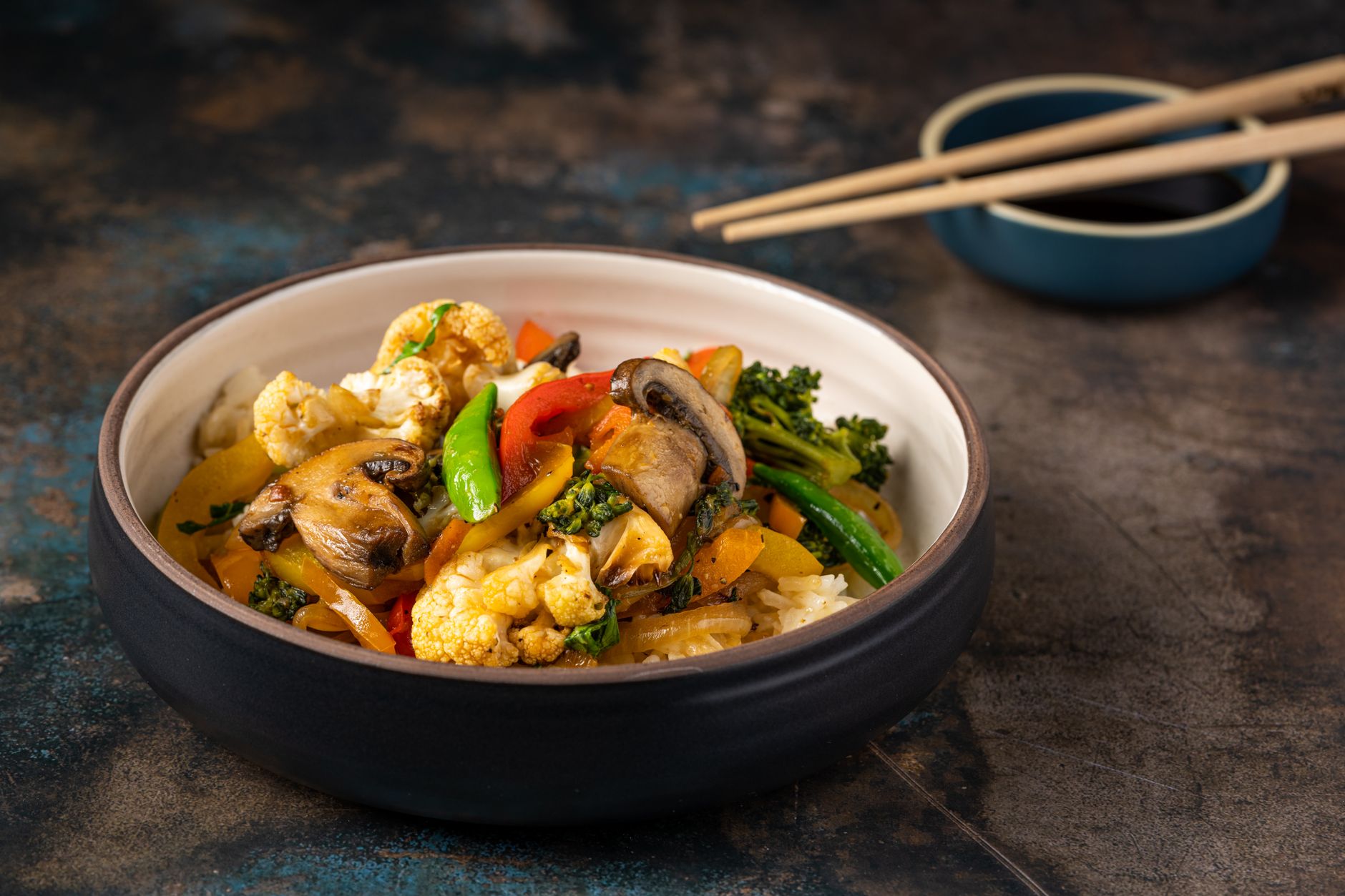
Chinese food is beloved worldwide for its rich flavors and enticing aromas. However, the question arises: is it good for you? This article delves into the nutritional aspects of Chinese cuisine, portion sizes, traditional ingredients, and how to make healthier choices. By understanding these factors, you can make informed decisions about enjoying Chinese food while maintaining a balanced diet.
From stir-fries to dumplings, the variety within Chinese cuisine can be both overwhelming and delightful. While some dishes may be higher in calories or sodium, others offer health benefits, including valuable nutrients. Let’s explore what makes Chinese food good (or not so good) for health-conscious individuals.
Is Chinese Food Good for You?
Yes, Chinese food can be good for you if made with fresh ingredients and healthy cooking methods. Traditional dishes often incorporate vegetables, lean proteins, and whole grains, which contribute to a balanced diet. However, certain dishes can be high in fat, sodium, and sugar. Understanding the nutritional components and making mindful choices is essential for reaping the benefits of Chinese cuisine.
Nutritional Overview of Chinese Cuisine
Chinese cuisine is characterized by its diversity. Each region of China has unique dishes that reflect local ingredients and cooking techniques. The key components include proteins, vegetables, and carbohydrates, typically served with rice or noodles. Here’s a closer look at these elements:
Proteins
- Lean meats: Dishes often include chicken, pork, beef, and seafood, providing vital protein.
- Plant-based proteins: Tofu and legumes like mung beans or black beans are common, catering to vegetarian and vegan diets.
Vegetables
Vegetables play a crucial role in many Chinese recipes, contributing essential vitamins and minerals. Common vegetables include:
- Bok choy
- Chinese broccoli
- Carrots
- Snow peas
- Mushrooms
Carbohydrates
Rice and noodles are staple carbohydrates in Chinese cuisine. Whole grain options are increasingly popular, providing more fiber and nutrients. Popular carb choices include:
- White rice
- Brown rice
- Rice noodles
- Wheat noodles
Oils and Sauces
Oils and sauces can significantly affect the nutritional quality of a dish. Common oils include:
- Sesame oil: Rich in healthy fats and flavor.
- Peanut oil: Has a high smoke point suitable for stir-frying.
Sauces like soy sauce, oyster sauce, and hoisin sauce are flavorful but can be high in sodium. Opting for low-sodium versions or using them sparingly can improve overall healthiness.
Portion Sizes and Eating Mindfully
Portion sizes are crucial in managing a healthy diet. Many restaurant servings can be larger than standard portions. Here are some tips for eating Chinese food mindfully:
- Share dishes: Eating family-style allows you to enjoy a variety of flavors without overindulging.
- Choose smaller plates: Using smaller plates can help control portion sizes.
- Pace yourself: Eating slowly allows your body to register fullness, preventing overeating.
Healthier Cooking Techniques
How a dish is prepared can impact its health benefits. Here are healthier cooking methods commonly used in Chinese cooking:
Stir-frying
Stir-frying is a technique that uses high heat and small amounts of oil to quickly cook ingredients. It preserves nutrients and flavors while requiring less fat than deep frying.
Steaming
Steaming maintains the nutritional value of vegetables and proteins. Dishes like steamed dumplings or fish are nutrient-dense and low in fat.
Boiling
Boiling or blanching vegetables before incorporating them into dishes helps retain their color, flavor, and nutrients.
Grilling
Grilling is less common in traditional Chinese food but can provide a flavorful, low-fat alternative for meats, enhancing the taste without excess oil.
Popular Chinese Dishes: Healthy vs. Unhealthy
Choosing the right dish can significantly impact the nutritional quality of your meal. Here are some popular Chinese dishes and their health aspects:
Healthy Options
- Hot and Sour Soup: Packed with vegetables and protein, this soup is often lower in calories.
- Kung Pao Chicken: Made with chicken, peanuts, and vegetables, it provides a balance of protein and healthy fats (when made with less oil).
- Vegetable Stir-fry: A vibrant dish loaded with various vegetables that contribute necessary vitamins and minerals.
Less Healthy Options
- General Tso’s Chicken: This dish is often deep-fried and coated in a sugary sauce, leading to high calories and fats.
- Chow Mein: Fried versions can be high in calories and fats, depending on the oil used.
- Egg Rolls: Typically fried, they can be high in unhealthy fats; baked options are healthier.
Ingredient Substitutions for Healthier Dishes
Making simple substitutions can dramatically enhance the health profile of your favorite Chinese dishes. Consider the following:
Rice Alternatives
- Try brown rice or quinoa instead of white rice for added fiber and nutrients.
Proteins
- Substitute chicken with tofu or tempeh to reduce calories and increase plant-based options.
Sauces
- Swap soy sauce for low-sodium soy sauce or use tamari for a gluten-free option.
- Use homemade sauces with less sugar and salt for better control over ingredients.
Common Mistakes to Avoid
Being mindful of certain pitfalls can help keep your Chinese dining experience on the healthier side. Here are some common mistakes:
- Choosing fried dishes: Opt for baked, steamed, or stir-fried versions instead.
- Lacking vegetables: Ensure your meal includes a side of veggies to boost nutrients.
- Ignoring portion sizes: Be cautious about large servings and leftovers that lead to overeating.
Reheating and Storing Leftovers
If you have leftovers from a Chinese meal, proper storage is essential to maintain quality and flavor:
Storage
- Allow food to cool before transferring it to an airtight container.
- Store in the refrigerator and consume within three days for best quality.
Reheating
- Reheat in the microwave or on the stovetop over low heat, adding a splash of water to prevent drying.
- Avoid overheating, which can make vegetables mushy and proteins tough.
Conclusion
Chinese food can fit into a healthy diet when you make informed choices regarding ingredients, cooking methods, and portion sizes. Traditional Chinese dishes offer a harmonious blend of flavors and nutrients, so be open to exploring various recipes. By cooking at home or choosing wisely at restaurants, you can enjoy the deliciousness of Chinese cuisine while prioritizing your health.
If you want to experiment in your kitchen, try making your Chinese sauces or try something new with a Chinese hot mustard recipe or Chinese five spice recipe. There’s so much to discover and enjoy while embracing healthier DIY options!