
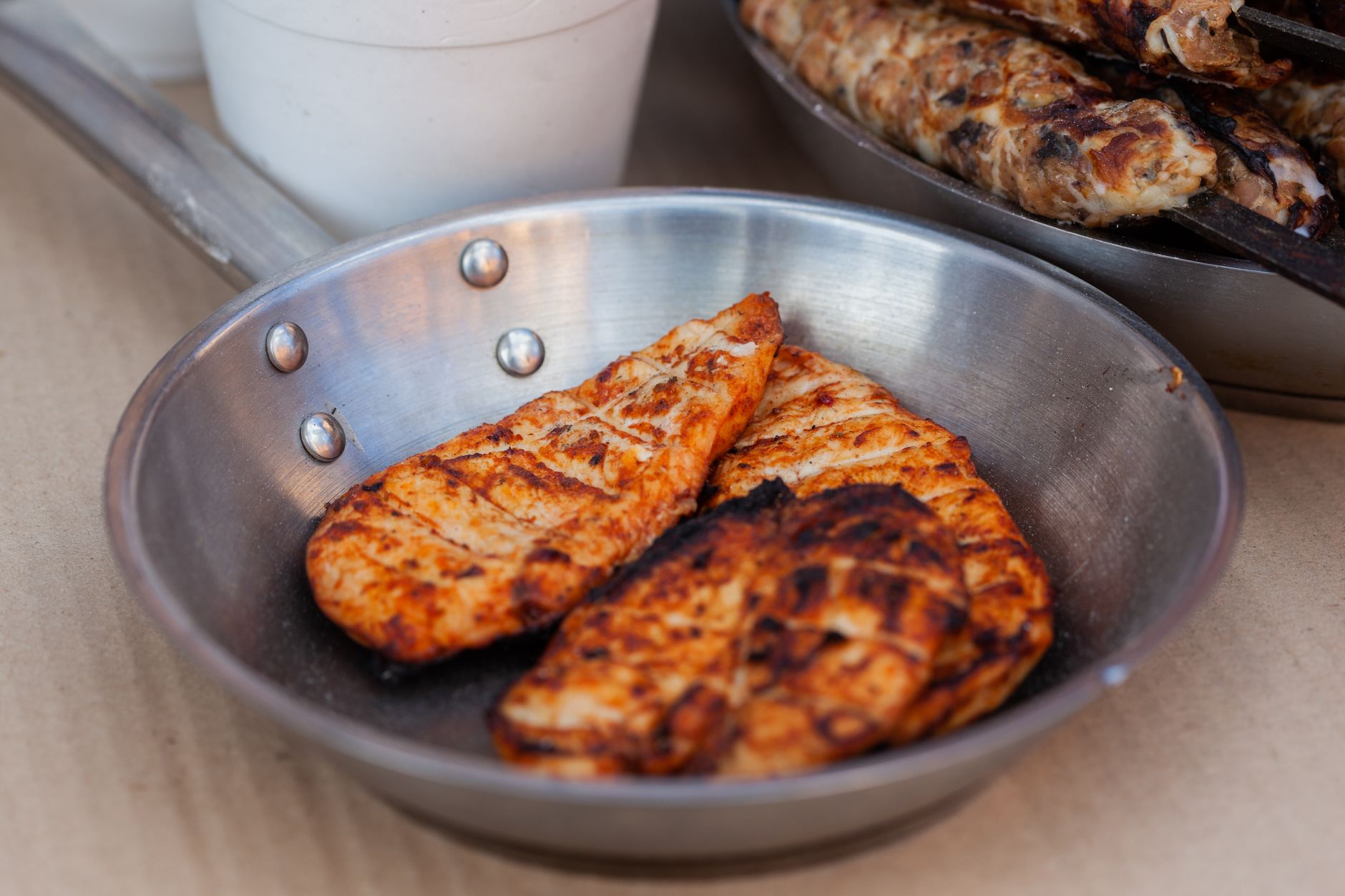
Many people with high cholesterol look for ways to improve their diet while still enjoying familiar proteins like chicken. Understanding how chicken can fit into a cholesterol-conscious lifestyle is crucial. This article will explore whether chicken is a suitable option for those monitoring their cholesterol levels, what cooking methods help maintain its health benefits, and the importance of portion control.
Chicken is a versatile source of protein that can be prepared in a myriad of ways, making it a popular choice in many diets. However, not all chicken preparations are equally healthy, especially for individuals concerned about cholesterol levels. By examining types of chicken, cooking methods, and portion sizes, we can determine whether chicken can be part of a heart-healthy diet.
Is Chicken Good for High Cholesterol?
Yes, chicken can be a good option for individuals with high cholesterol, primarily when skinless and cooked using heart-healthy methods. Chicken is generally lower in saturated fat than red meats and can fit well into a cholesterol-conscious diet when consumed in moderation.
Understanding Cholesterol
Before diving into chicken’s role in your diet, it’s essential to understand cholesterol itself. Cholesterol is a waxy substance found in your blood, which is necessary for building healthy cells. However, high levels of LDL (low-density lipoprotein) cholesterol can lead to health issues, including heart disease. A diet that helps manage cholesterol is important for overall cardiovascular health.
Types of Cholesterol
There are two primary types of cholesterol:
- LDL (Low-Density Lipoprotein): Often referred to as “bad” cholesterol, high levels can deposit in the artery walls and contribute to narrowing and blockage.
- HDL (High-Density Lipoprotein): Known as “good” cholesterol, HDL helps carry cholesterol away from the arteries and back to the liver for excretion.
Health Benefits of Chicken
Chicken is a lean protein source that offers several health benefits, making it an ideal choice for managing cholesterol levels:
- Low in Saturated Fat: Skinless chicken, particularly breast meat, has less saturated fat compared to other meats, making it less likely to raise LDL cholesterol levels.
- High in Protein: Protein is essential for building and repairing tissues. Including chicken in your diet can help you meet your protein needs without the added saturated fat found in red meats.
- Rich in Nutrients: Chicken is also a good source of B vitamins such as niacin, vitamin B6, and vitamin B12, which are necessary for energy metabolism and heart health.
Choosing the Right Cut of Chicken
Not all chicken cuts are created equal when it comes to healthfulness. Here’s a breakdown of common chicken parts:
- Chicken Breast: Skinless chicken breast is the leanest part, making it the best option for those monitoring cholesterol.
- Chicken Thighs: While slightly higher in fat than breasts, skinless thighs can also be a good choice if consumed in moderation.
- Chicken Wings and Drumsticks: These parts contain more fat, especially when the skin is included, and should be limited if you’re watching your cholesterol.
Cooking Methods for Heart-Healthy Chicken
The way chicken is cooked significantly impacts its healthfulness. Here are heart-healthy cooking methods to keep in mind:
- Grilling: Grilling chicken allows fat to drip away, making it a healthier cooking option.
- Baking: Baking chicken in the oven minimizes the need for added fats, retaining its natural flavors and nutrients.
- Poaching: Cooking chicken in water or broth can keep it moist without adding extra calories or fats.
- Stir-frying: Using a small amount of heart-healthy oil (like olive or avocado oil) for a quick stir-fry can yield a healthy meal; just remember to keep oil portions small.
Preparing Chicken in a Heart-Healthy Way
To enhance the healthfulness of chicken dishes, consider these tips:
- Remove the skin before cooking to reduce saturated fat content.
- Focus on herbs and spices for flavor instead of heavy sauces or marinades high in sugar or fat.
- Combine chicken with vegetables to increase nutrient intake and fiber content.
Portion Control
Even when eating healthy foods like chicken, portion sizes are key. The American Heart Association recommends a serving size of approximately 3.5 ounces for protein sources. Being mindful of serving sizes alongside other foods can help maintain a heart-healthy diet.
Visual Cues for Portion Control
Here are some visual cues to help gauge proper portion sizes:
- Lean meats like chicken should be about the size of your palm or a deck of cards.
- Pair your chicken with a generous serving of vegetables and a smaller portion of whole grains to balance the meal.
Meal Ideas with Chicken for a Cholesterol-Conscious Diet
Here are some delicious and healthy meal ideas that incorporate chicken:
Grilled Chicken Salad
This salad is packed with nutrients and flavor and is an excellent way to incorporate chicken into a heart-healthy meal.
- Ingredients:
- 1 skinless chicken breast
- 4 cups mixed greens (like spinach and arugula)
- 1 cup assorted vegetables (tomatoes, cucumbers, bell peppers)
- 2 tablespoons balsamic vinegar
- 1 tablespoon olive oil
- Instructions:
- Grill the chicken breast until fully cooked, approximately 6-7 minutes per side.
- Let the chicken rest for 5 minutes, then slice it.
- In a large bowl, toss the mixed greens and vegetables.
- Drizzle with olive oil and balsamic vinegar before topping with sliced chicken.
Baked Chicken with Vegetables
This dish is simple to prepare and delivers a nutritious meal.
- Ingredients:
- 2 skinless chicken thighs
- 2 cups mixed vegetables (carrots, bell peppers, zucchini)
- 1 tablespoon olive oil
- 1 teaspoon garlic powder
- Salt and pepper to taste
- Instructions:
- Preheat the oven to 400°F (200°C).
- Place the chicken and vegetables on a baking tray.
- Drizzle with olive oil, then sprinkle with garlic powder, salt, and pepper.
- Bake for 30-35 minutes or until chicken is cooked through and vegetables are tender.
Common Mistakes to Avoid
When it comes to including chicken in a cholesterol-management diet, there are a few common pitfalls to steer clear of:
- Not Removing the Skin: The skin contains the highest amounts of saturated fat, so be sure to remove it before cooking.
- Overusing Sauces: Heavy creams and sauces can add unnecessary fats. Opt for seasoning with herbs, spices, or low-fat dressings instead.
- Neglecting Portion Sizes: Be mindful of how much chicken you’re consuming, as larger portions can lead to higher fat intake.
Making Chicken Work for You
To enjoy chicken within a heart-healthy diet, consider these tips:
- Try to balance your plate by filling half with vegetables, a quarter with lean chicken, and a quarter with whole grains or legumes.
- Experiment with different spices and herbs for varied flavors without added fat.
- Plan your meals ahead of time to ensure you’re making healthy choices and controlling portions.
Final Thoughts on Chicken and Cholesterol
Incorporating chicken into a diet aimed at managing high cholesterol can be beneficial if approached thoughtfully. Opt for lean cuts, employ heart-healthy cooking methods, and practice portion control to enjoy this versatile protein without sacrificing health. Always consider consulting with a healthcare professional or dietitian when making significant changes to your diet.
For additional guidance on cooking chicken, including storage tips, check out Can You Freeze Cooked Chicken? and learn how long cooked chicken lasts at How Long Does Cooked Chicken Last?. Explore more recipes and guides to enhance your kitchen adventures!