
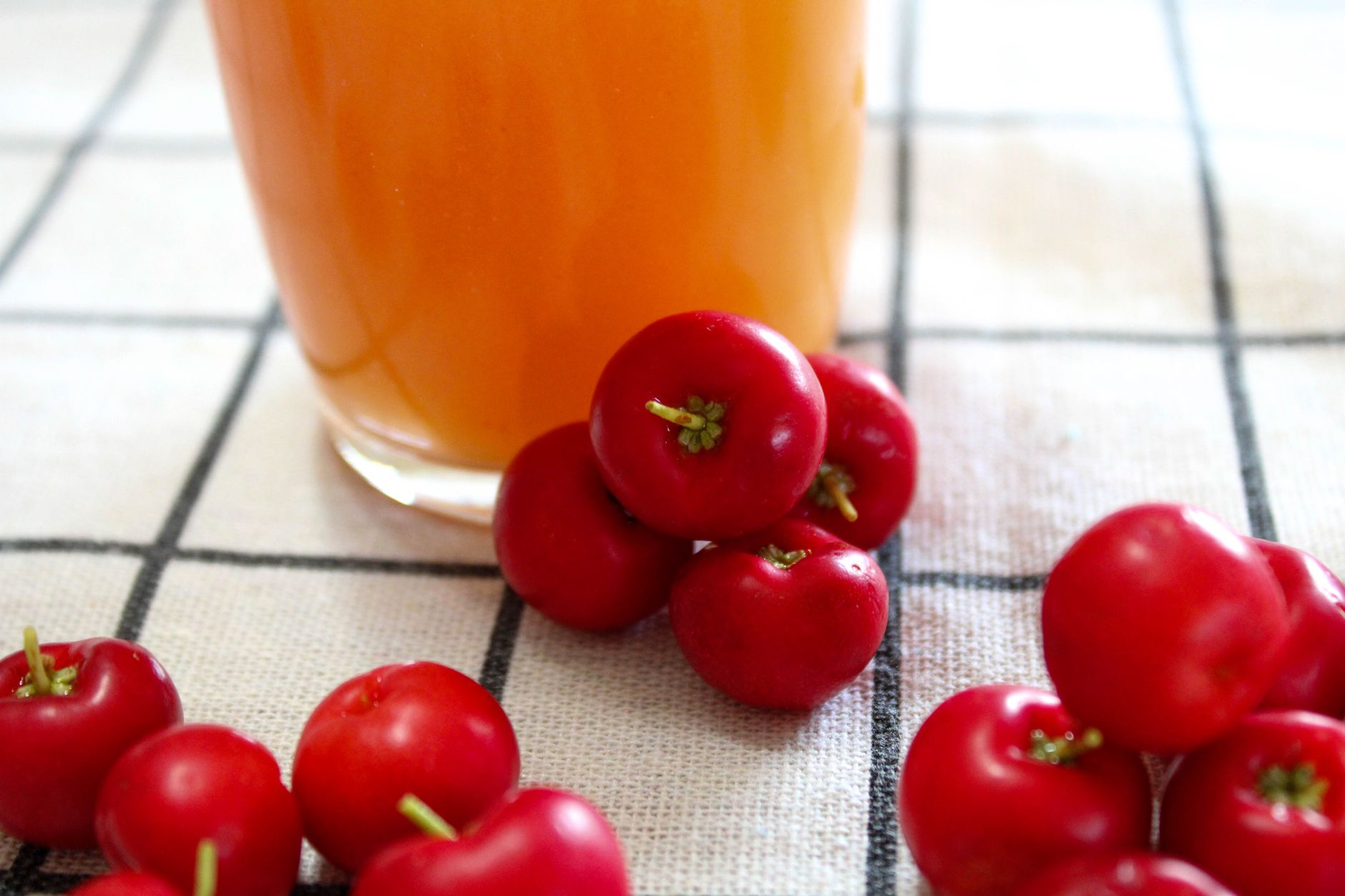
Cherry juice is a delightful and nutritious drink enjoyed by many, but questions often arise regarding its acidity. Understanding the acidity of cherry juice can help consumers make informed decisions about incorporating it into their diets. This article will explore the acidic nature of cherry juice, its health benefits, culinary uses, and delicious serving ideas.
Cherry juice is typically made from tart or sweet cherries, and while both types can be enjoyed for their unique flavors, their acidity levels differ. Tart cherry juice is generally more acidic than sweet cherry juice, which may influence how you use it in recipes.
Is Cherry Juice Acidic?
Yes, cherry juice is acidic, but the level of acidity can vary depending on the type of cherries used. Tart cherries (Prunus cerasus), commonly used to make cherry juice, generally have a pH level between 3.0 and 3.5, making them more acidic compared to sweet cherries (Prunus avium) with a pH ranging from 4.0 to 4.5. The acidity contributes to the tart and refreshing taste of cherry juice.
Understanding Acidity in Foods
Acidity in foods is measured by pH, a scale that ranges from 0 to 14. Foods with a pH below 7 are considered acidic, while those above 7 are alkaline. Understanding pH is essential when considering dietary preferences, food preservation, and culinary applications.
Overall, it’s crucial to note that while cherry juice is acidic, its acidity can have health benefits. For example, the tartness may be perceived as refreshing and can aid in digestion when consumed in moderation.
Health Benefits of Cherry Juice
Despite its acidity, cherry juice is packed with health benefits, making it a popular choice among health-conscious individuals. Here are some key benefits:
- Rich in Antioxidants: Cherry juice is a good source of antioxidants, including anthocyanins and vitamin C, which can help combat oxidative stress in the body.
- Anti-Inflammatory Properties: The compounds in cherry juice may help reduce inflammation, which is beneficial for those suffering from arthritis or muscle soreness.
- Supports Sleep Quality: Tart cherry juice has been studied for its potential to improve sleep quality and duration, thanks to its natural melatonin content.
- Aids in Muscle Recovery: Athletes often consume cherry juice to help speed up muscle recovery after intense exercise due to its anti-inflammatory benefits.
Culinary Uses of Cherry Juice
Cherry juice can be used in a variety of culinary applications, from beverages to dressings. Its acidity and unique flavor can enhance numerous dishes. Here are some practical uses:
Beverages
- Smoothies: Add cherry juice to your morning smoothie for a nutrient boost and a burst of flavor.
- Cocktails: Use cherry juice as a mixer in cocktails like cherry mojitos or whiskey sours for added depth.
Dressings and Marinades
- Salad Dressings: Combine cherry juice with olive oil, vinegar, and seasonings to create a refreshing salad dressing.
- Meat Marinades: The acidity in cherry juice can tenderize meat while imparting a sweet-tart flavor—perfect for marinading pork or chicken.
Desserts
- Sorbets: Make a delicious cherry sorbet by mixing cherry juice with water and sugar, then freezing it.
- Cheesecake Topping: Drizzle cherry juice over cheesecake for an elegant finish.
Serving Ideas for Cherry Juice
Cherry juice can be enjoyed in numerous ways. Here are some creative serving ideas to explore:
Refreshing Cherry Spritzer
Mix equal parts cherry juice and sparkling water over ice and garnish with fresh mint or lime for a refreshing beverage.
Cherry Juice Popsicles
Pour cherry juice into popsicle molds and freeze to create a refreshing treat—perfect for hot summer days.
Cherry Glazed Chicken
- Combine cherry juice, soy sauce, garlic, and ginger in a bowl.
- Marinate chicken breasts in the mixture for 30 minutes.
- Grill or bake the chicken until fully cooked.
- Serve with a drizzle of the leftover glaze for extra flavor.
Tips for Using Cherry Juice
- Balance Acidity: When using cherry juice in recipes, consider balancing its acidity with sweeter ingredients such as honey or maple syrup if preferred.
- Fresh vs. Bottled: Using fresh cherry juice will provide a more vibrant flavor compared to processed or bottled options. If using bottled juice, check for added sugars or preservatives.
- Freeze for Later: If you have an excess of cherry juice, it freezes well. Consider pouring it into ice cube trays for easy future use in drinks and recipes.
Common Mistakes and Troubleshooting
While cherry juice can be a versatile ingredient, there are a few common mistakes that can occur when using it:
1. Overusing Cherry Juice in Savory Dishes
Due to its acidity and sweetness, using too much cherry juice in savory dishes can overwhelm the main flavors. Start with a small amount and adjust to taste.
2. Not Adjusting for Acidity
If you are using cherry juice in baking, remember that its acidity can affect the chemistry of the recipe. Balance it with baking soda or other alkaline ingredients.
3. Selecting the Wrong Type
Opt for tart cherry juice for recipes needing a more pronounced acidity; use sweet cherry juice for desserts and drinks to add sweetness.
Storage and Shelf Life of Cherry Juice
Proper storage can extend the shelf life of cherry juice and maintain its flavor:
- Refrigeration: Once opened, cherry juice should be refrigerated and consumed within 7 to 10 days for the best flavor.
- Freezing: Unopened cherry juice can be frozen for up to six months. Transfer the juice to an airtight container before freezing to prevent spills.
Practical Substitutions for Cherry Juice
If you don’t have cherry juice on hand or are looking for alternatives, consider these substitutions:
- Pomegranate Juice: Similar in flavor and acidity, pomegranate juice can be used in equal amounts in recipes.
- Cranberry Juice: Another tart option, cranberry juice provides a similar acidity level but a slightly different flavor profile.
- Red Wine: In savory dishes and marinades, red wine can replace cherry juice for added depth and complexity.
Conclusion
Cherry juice is undoubtedly an acidic beverage with many culinary uses and potential health benefits. Whether consumed on its own, incorporated into recipes, or used in cocktails, its distinct flavor adds a delightful twist to various foods and drinks. Cherry juice remains a versatile ingredient, perfect for enhancing meals and beverages while knowing its acidity can help tailor recipes to your liking.
Discover more delicious ideas and learn how to make cherry compote or cherry bounce by checking out the recipes at Cherry Compote Recipe and Cherry Bounce Recipe. Enjoy experimenting with cherry juice in your kitchen!