
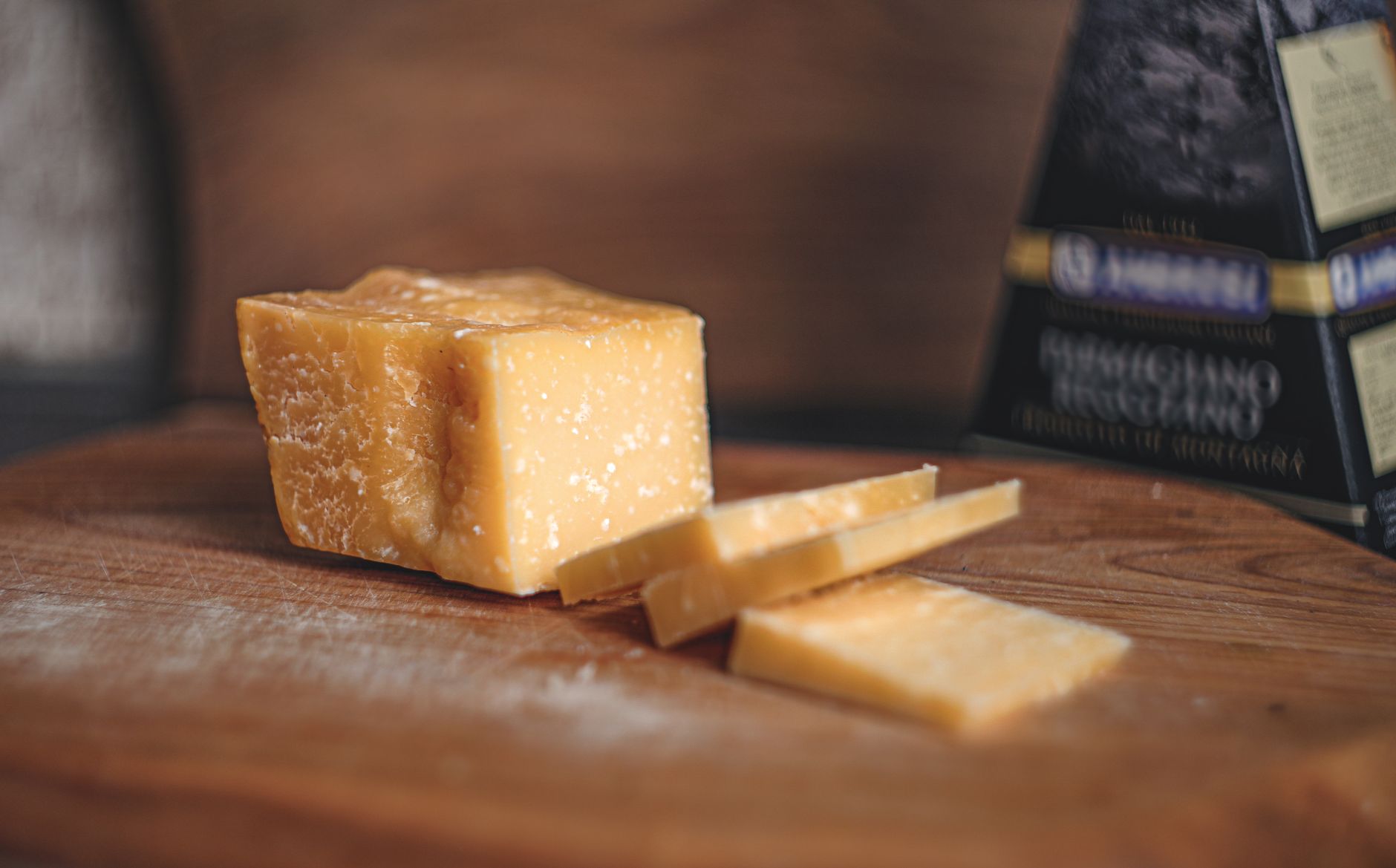
Cheese is a beloved food that graces tables around the world, known for its diverse flavors and textures. However, there is often confusion regarding whether cheese should be classified as a processed food. This article aims to clarify the various factors surrounding cheese production and its classification by deconstructing what defines processed food.
Understanding the intricacies of cheese, including its origin, types, and nutritional aspects, can help consumers make informed choices about their diets. Let’s explore the components that categorize cheese, whether artisanal or industrial, and what that means for culinary use.
Is Cheese Considered a Processed Food?
Cheese can be classified as a processed food, but the extent varies widely based on the type of cheese and its production method. While certain cheeses like cheddar and mozzarella undergo minimal processing, others, such as processed cheese products, are highly manufactured. This article will dive deeper into these distinctions.
Understanding Processed Foods
To determine whether cheese is a processed food, it’s important first to understand what processed foods are. The term “processed food” generally refers to any food that has been altered from its original form through methods such as canning, freezing, drying, or the addition of ingredients.
Foods can be categorized into several levels of processing:
- Unprocessed or minimally processed foods: These include whole foods like fresh fruits, vegetables, and raw meats.
- Processed culinary ingredients: These are often modified for cooking, such as oils, spices, or sugar.
- Processed foods: Foods that have undergone preservation processes, but still resemble their original form, like canned beans or frozen vegetables.
- Ultra-processed foods: These are significantly transformed, often containing additives like flavorings, preservatives, and sweeteners, often found in packaged snacks and sodas.
The Process of Making Cheese
The cheese-making process involves several steps and can vary between different types of cheese. Here is a simplified overview of the typical cheese production process:
- Milk Collection: The first step is sourcing high-quality milk from cows, goats, or sheep.
- Pasteurization: The milk is then pasteurized to eliminate harmful bacteria.
- Curdling: An acidic substance (like vinegar or rennet) is added, causing the milk to curdle and separate into solid curds and liquid whey.
- Draining: The whey is drained away, and the curds are collected.
- Shaping: The curds are pressed into molds to form cheese wheels or blocks.
- Aging: Some cheeses are aged to develop flavor, while others are consumed young.
From this overview, it becomes clear that while cheese does undergo processing (especially in methods like pasteurization and curdling), many artisanal and traditional cheeses consist of simple ingredients—essentially milk, salt, and cultures.
Types of Cheese and Their Processing Levels
Cheese varieties can broadly be divided into three categories: fresh cheese, aged cheese, and processed cheese. Each type has unique characteristics and processing levels.
Fresh Cheese
Fresh cheeses are minimally processed and often soft with a high moisture content. Examples include ricotta, cottage cheese, and cream cheese. These cheeses are typically made without aging and contain few ingredients.
- Example: Cottage cheese involves curdling and draining milk, resulting in a soft, creamy texture that contains no preservatives or additives.
Aged Cheese
Aged cheeses undergo more extensive processing due to the aging process, which enhances their flavors and textures. These can include popular varieties like cheddar, gouda, and parmesan. Despite the aging, these cheeses can still be considered minimally processed if natural ingredients were used.
- Example: Aged cheddar is made by curdling milk, pressing the curds, and then allowing it to age for months or even years. If no artificial flavors or preservatives are added, it can be classified as minimally processed.
Processed Cheese
Processed cheeses, on the other hand, are highly manufactured products often comprised of various ingredients, including oils, emulsifiers, and artificial flavors. These cheeses melt uniformly and have a longer shelf life but often lack the complexity of flavor found in natural cheeses.
- Example: American cheese slices are an example of processed cheese, containing non-dairy substances, artificial colors, and preservatives.
The Nutritional Aspects of Cheese
The nutritional content of cheese varies depending on its type and processing level. In general, cheese is a good source of protein, calcium, and various vitamins, but it can also be high in fat and sodium.
Health Benefits of Cheese
When consumed in moderation, cheese can provide several health benefits:
- Rich in Nutrients: Cheese contains essential nutrients like calcium and phosphorus, which are vital for bone health.
- High in Protein: Cheese is an excellent source of protein, which supports muscle development and repair.
- Probiotics: Some cheeses, especially those that are fermented, can promote gut health.
Considerations for Consumption
While cheese has nutritional benefits, caution is advised for those monitoring their sodium and saturated fat intake. Choosing aged or artisanal cheeses with fewer additives is often a healthier choice compared to highly processed cheese products.
Practical Uses of Cheese in Cooking
Cheese is incredibly versatile and can be used in a myriad of culinary applications, from appetizers to main courses. Here are some popular uses of cheese:
Cooking Techniques
Cheese can be used in various cooking methods, enhancing dishes with its creamy texture and rich flavor. Below are some common techniques:
- Melting: Cheese can be melted for use in sauces, fondue, or pizza. Varieties like mozzarella and cheddar melt well.
- Grating: Hard cheeses like parmesan can be grated for sprinkling over pasta or salads.
- Blending: Cream cheese or ricotta is often blended into dips, providing a creamy base.
Cheese in Recipes
Incorporating cheese into recipes can elevate dishes. Here are some classic examples:
- Cheese Board: An assortment of cheeses, paired with nuts, fruits, and crackers, creates a delightful appetizer.
- Cheesy Pasta: Adding cheese to pasta dishes enhances flavor; consider a macaroni and cheese recipe featuring aged cheddar.
- Pizza: The addition of mozzarella provides that stretchy, gooey texture that many love.
Choosing the Right Cheese
When selecting cheese, consider the intended use and desired flavors. Here are some tips for choosing cheese:
- Fresh Cheese: Opt for when you want a creamy texture, such as in salads or dips.
- Aged Cheese: Ideal for cheese boards or when a robust flavor is needed.
- Processed Cheese: Best suited for melting applications, like in grilled cheese or cheeseburgers.
Substitutions and Variations
If you’re looking to substitute cheese in your cooking or need alternatives due to dietary restrictions, consider the following options:
- Cream Cheese: Substitute with Greek yogurt for a lower-fat option.
- Parmesan: Nutritional yeast can provide a cheesy flavor without using dairy.
- Cheddar: For lactose-free diets, try lactose-free cheddar or a cashew-based cheese alternative.
Common Mistakes to Avoid
When cooking with cheese, several common pitfalls can detract from your dish. Here are some mistakes to avoid:
- Using Too Much Heat: High temperatures can cause cheese to become oily or rubbery. Instead, melt cheese gently over low heat.
- Choosing the Wrong Sort: Not all cheeses melt well. Ensure you’re using a variety suited for melting for your specific dish.
- Forgetting to Grate: For some dishes, freshly grated cheese melts better and provides more flavor than pre-packaged shredded cheese.
Storage and Shelf Life of Cheese
Proper storage of cheese is crucial to maintain its flavor and quality. Here are some tips:
- Refrigeration: Most cheeses should be kept in the refrigerator to slow down spoilage.
- Wrapping: Wrap cheese in wax paper or parchment paper, then place it in a loose-fitting plastic bag to allow it to breathe.
- Check for Freshness: Look for signs like mold or off-smells, especially in softer cheeses. Hard cheeses last longer but should still be checked regularly.
Final Thoughts
In summary, cheese is a complex food that can range from minimally processed to highly processed, depending on its type and production method. When consumed in moderation and chosen wisely, cheese can be a flavorful and nutritious addition to your diet.
Understanding the differences between fresh, aged, and processed cheese empowers consumers to make informed choices. So next time you reach for cheese, consider its origin and processing to enhance your meals effectively.
For more delightful cheese recipes, consider making cottage cheese dip or trying out a whipped ricotta recipe to elevate your cheese experience.