
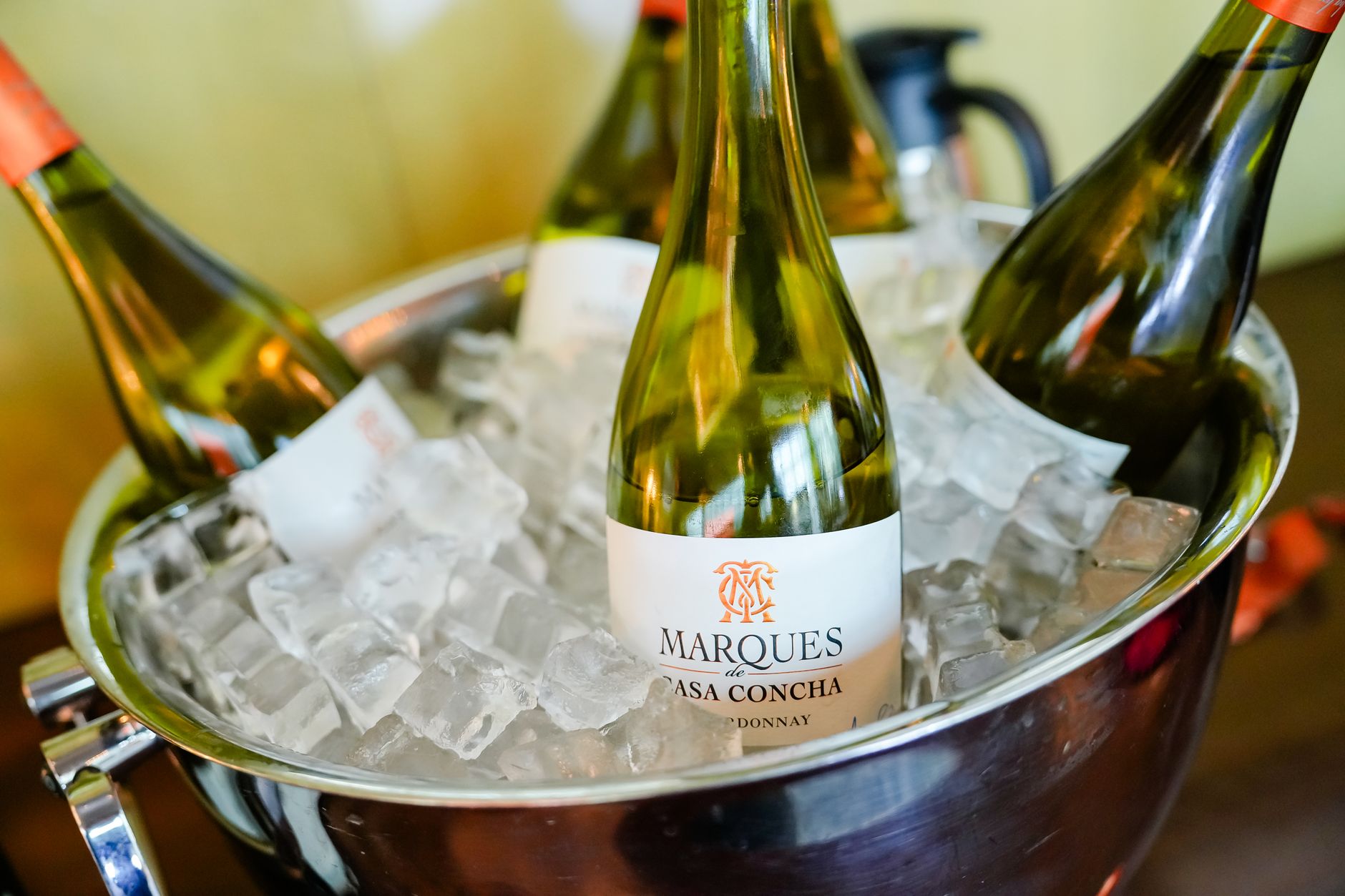
Chardonnay is one of the most popular white wines in the world, renowned for its versatility and range of flavors. But a common question that arises is whether Chardonnay should be served chilled. This article will delve into the ideal serving temperature for Chardonnay, its flavor profile, and how it can pair with various dishes.
Understanding wine temperatures is crucial for enhancing the taste and aroma of your favorite varieties. This comprehensive guide will also provide tips on how to chill Chardonnay correctly, the significance of serving temperatures, and some delightful food pairings.
Is Chardonnay Served Chilled?
Yes, Chardonnay is best enjoyed when served chilled. The optimal serving temperature for this wine is typically between 45°F to 55°F (7°C to 13°C). Serving it cold enhances its refreshing quality, balances the flavors, and retains its crisp acidity. However, the specific temperature can vary depending on the style of Chardonnay.
Understanding Chardonnay: Flavor Profile
To appreciate the role of temperature in serving Chardonnay, it’s essential to understand its flavor profile. Chardonnay can range from crisp and citrusy to rich and creamy, depending on the winemaking process.
- Crisp and Fresh: Cellared in stainless steel, these Chardonnays tend to exhibit notes of green apple, pear, and citrus. They are typically consumed chilled.
- Oaked and Creamy: When aged in oak barrels, Chardonnays can develop flavors of vanilla, butter, and toasted nut. These fuller-bodied wines can be served slightly warmer, closer to 55°F (13°C).
How Climate Affects Flavor
Chardonnay grapes thrive in various climates, which also influences the wine’s characteristics. Cooler climates, like Chablis in France or regions in Oregon, produce Chardonnays with bright acidity and crisp fruit flavors, which benefit from being served chilled. In contrast, warmer climates such as California produce riper grapes that may exhibit more tropical fruit flavors, and these wines can be enjoyed at slightly higher temperatures.
Why Serve Chardonnay Chilled?
Serving Chardonnay chilled preserves its freshness and enhances its flavor while ensuring a pleasant drinking experience. The acidity in chilled Chardonnay helps to balance its sweetness and makes the wine more refreshing, which is particularly pleasing on warm days. Moreover, chilling the wine can mask some of the less appealing flavors often associated with overly warm wines.
How to Properly Chill Chardonnay
While chilling Chardonnay is important, how you chill it can also make a significant difference in its taste and aroma. Here are several methods to achieve the ideal serving temperature:
1. Refrigerator Method
- Place the Chardonnay bottle in the refrigerator for about 2 to 3 hours prior to serving. This will gradually lower the wine’s temperature.
2. Ice Bucket Method
- Fill a bucket with equal parts ice and water.
- Submerge the bottle in this mixture for about 15 to 20 minutes. This method is effective for quickly lowering the temperature of the wine.
3. Rapid Cooling Wine Stick
- If you’re in a hurry, consider using a rapid cooling wine stick. Chill the stick in the freezer, then insert it into the open bottle for a few minutes to cool down the wine.
Pairing Chardonnay with Food
Chardonnay is incredibly versatile and pairs well with a wide variety of dishes. Here are some suggestions for food pairings that complement its unique flavor profiles:
1. Oaked Chardonnay Pairings
- Roasted Chicken: The rich, buttery flavors in oaked Chardonnay pair wonderfully with roasted chicken’s savory attributes.
- Seafood in Cream Sauce: Dishes like lobster or scallops in a creamy sauce echo the wine’s buttery notes.
- Grilled Vegetables: Grilled asparagus or bell peppers enhance the earthy tones in the wine.
2. Crisp Chardonnay Pairings
- Grilled Fish: Bright, citrusy Chardonnays pair well with fish like halibut or salmon.
- Sushi: The refreshing acidity of crisp Chardonnay complements various sushi rolls, especially those with a touch of spice.
- Salads with Citrus Dressing: Crisp Chardonnays enhance the freshness of salads with vinaigrette made from citrus fruits.
Serving Chardonnay at the Right Temperature
While the best serving temperature for Chardonnay lies between 45°F to 55°F, individual preferences may vary. Therefore, it is always a good idea to experiment to find what you enjoy best. Here are some pointers to guide you:
1. Using a Wine Thermometer
A wine thermometer can help ensure you are serving Chardonnay at the ideal temperature. This tool can give you a precise reading for the temperature of the wine before serving.
2. Allowing for Temperature Adjustment
Remember that wine will slowly warm up once poured into glasses. For oaked varieties, starting out slightly colder may be beneficial, allowing the wine to gradually reach a more moderate temperature as it sits in the glass.
Common Mistakes When Serving Chardonnay
Even the most seasoned wine enthusiasts may fall into common pitfalls when serving Chardonnay. Here are a few to watch out for:
1. Over-Chilling
While serving wine chilled is generally beneficial, over-chilling can mute the flavors and aromas of Chardonnay, especially the more complex oaked varieties. Ensure not to chill the wine beyond the recommended temperature range.
2. Ignoring Glassware
The type of glass used for Chardonnay can also affect the tasting experience. Using a white wine glass with a wider bowl allows aeration and helps accentuate the wine’s nuanced flavors. Avoid using small, narrow glasses typically reserved for sparkling wines.
Conclusion
In summary, Chardonnay is best served chilled, making it a refreshing option for warm days or casual gatherings. Paying attention to the serving temperature, proper chilling techniques, and thoughtful food pairings can elevate your Chardonnay experience. Whether you’re enjoying a crisp, refreshing glass or a rich, oaked variant, the joy of Chardonnay lies in its versatility and potential to enhance any occasion.
For further information on food and wine pairings or tips on selecting the right glassware, feel free to explore more of our articles on the subject, and elevate your culinary experiences.