
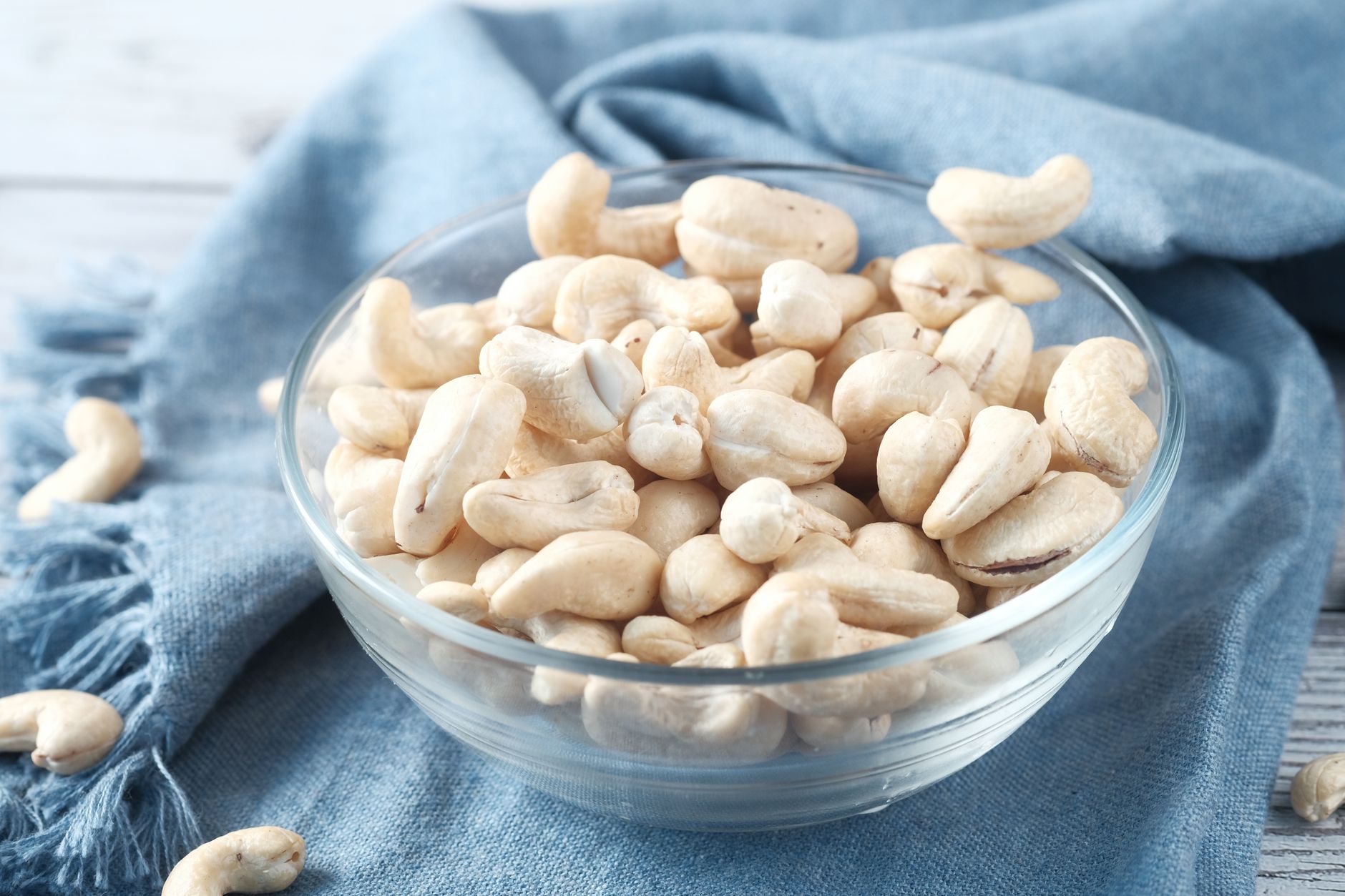
Cashews often spark curiosity regarding their classification in the nut family. Although they are popularly referred to as nuts, they actually belong to the family of seeds. This distinction plays a vital role in culinary applications, nutritional value, and allergen considerations. This article explores the unique characteristics of cashews, their uses in cooking and baking, and creative serving ideas.
As we delve deeper into the world of cashews, you will understand their flavor, texture, and numerous benefits. This guide will help you incorporate them effectively into your meals, making them not only a delicious addition but also a versatile ingredient.
Is Cashew a Nut?
Cashews are not botanically classified as nuts but rather as seeds. They originate from the cashew apple and have a unique kidney shape. The cashew tree produces a fruit known as the cashew apple, from which the cashew nut grows. This distinction affects their culinary uses and nutritional profiles, distinguishing them from true nuts like almonds and walnuts.
The Art of Cooking with Cashews
Cashews can be used in a variety of dishes and preparation methods, showcasing their adaptability. Here are some ways to incorporate cashews into your meals:
1. As a Snack
Enjoying cashews as a snack is one of the easiest ways to incorporate them into your diet. They can be consumed raw, roasted, or candied. You can find them in various flavorings, from salted to spiced options. Here are some ideas:
- Roasted Cashews: Toss raw cashews with olive oil and your choice of spices before roasting them in the oven at 350°F (175°C) for about 10-15 minutes.
- Spiced Cashews: Mix raw cashews with garlic powder, cayenne pepper, and a bit of salt before roasting for a zesty snack.
- Honey-Candied Cashews: Combine honey, a pinch of salt, and cashews in a skillet until caramelized, then cool them on parchment paper.
2. In Cooking
Cashews can be a fantastic addition to savory dishes. They can enhance flavor and provide a creamy texture without the need for dairy.
- Curries: Cashews can be blended into a creamy sauce base for curries, adding richness and flavor.
- Stir-fries: Toss roasted cashews into vegetable stir-fries for added crunch and nuttiness.
- Casseroles: Incorporate crushed cashews into the topping for casseroles for a delicious crunch.
3. In Baking
Cashews can also be integrated into baked goods, providing moisture and depth of flavor. Consider these options:
- Granola Bars: Add chopped cashews to homemade granola bars for extra texture and protein.
- Cookies: Use cashew pieces in cookie dough for a unique spin on traditional recipes.
- Brownies: Stir chopped cashews into brownie batter for a delightful crunch.
4. Nut Butter
Cashew butter is another wonderful way to enjoy this ingredient. It can be spread on bread, added to smoothies, or used in baking. Here’s how to make your own:
- Ingredients: 2 cups of raw cashews, a pinch of salt, and optional sweetener (like honey or maple syrup).
- Preparation: Place the cashews in a food processor and blend for about 5-10 minutes, scraping down the sides as needed, until smooth and creamy.
- Storage: Transfer to an airtight container and store in the fridge for up to 2 weeks.
Nutritional Profile of Cashews
Cashews offer numerous health benefits and can be a healthy addition to your diet.
- High in Healthy Fats: Cashews contain monounsaturated fats, which are beneficial for heart health.
- Rich in Protein: With about 5 grams of protein per ounce, they can be a great protein source for vegetarians.
- Full of Nutrients: Cashews are a good source of magnesium, copper, and zinc, which are essential for various bodily functions.
Cooking Techniques for Cashews
Understanding the best methods to prepare and incorporate cashews into your cooking can elevate your dishes. Here are some effective techniques:
1. Toasting Cashews
Toasting cashews intensifies their flavor and improves their crunch. You can toast them in a dry skillet over medium heat, stirring frequently for about 5-7 minutes until golden brown. Alternatively, you can spread them on a baking sheet and toast them in the oven at 350°F (175°C) for 8-10 minutes.
2. Soaking Cashews
Soaking cashews is particularly useful when you want to create creamy textures in dishes. Soaking them in water for about 4 hours softens the nuts, making them easier to blend into a smooth paste ideal for sauces, dressings, or desserts.
3. Grinding Cashews
Grinding cashews into flour can be a great alternative to conventional flour in gluten-free baking. Use a high-powered blender or food processor to pulse cashews until they reach a flour-like consistency.
Common Mistakes to Avoid When Cooking with Cashews
Even though cashews are easy to use, there are common mistakes that can negatively impact your cooking experience.
- Overroasting: Keep a close eye while roasting, as cashews can burn quickly, leading to a bitter flavor.
- Not Soaking for Creaminess: Failing to soak cashews before blending can result in a gritty texture in sauces or dips.
- Ignoring Allergies: While many people enjoy cashews, some may have allergies. Always check with guests or family members regarding allergies before serving.
Storage and Shelf Life of Cashews
Proper storage is crucial for maintaining the freshness and flavor of cashews. Here’s how to store them effectively:
- Room Temperature: Store cashews in an airtight container in a cool, dark place for up to 6 months.
- Refrigeration: If you want to prolong their shelf life, keep them in the refrigerator, where they can last for up to a year.
- Freezing: For long-term storage, cashews can be frozen for up to 2 years. Ensure they are in a freezer-safe container to prevent freezer burn.
Cashew Substitutions and Alternatives
If you’re unable to use cashews in a recipe or you’re seeking alternatives, here are some reliable substitutions:
- Almonds: Chopped almonds can replace cashews in recipes where texture is essential. They offer a similar crunch but have a different flavor profile.
- Pecans: Pecans can be used in place of cashews in baking recipes due to their similar moisture content and sweetness.
- Sunflower Seed Butter: For a nut-free option, sunflower seed butter can substitute for cashew butter.
Creative Serving Ideas for Cashews
Utilizing cashews in unique ways can elevate your dining experience. Here are some creative serving ideas:
- Cashew Cheese: Blend soaked cashews with nutritional yeast, lemon juice, and spices for a creamy cheese alternative perfect for spreading on crackers.
- Salad Toppers: Sprinkle toasted cashews over salads for added crunch and flavor.
- Smoothie Bowls: Use cashew butter as a base for smoothie bowls, topped with fruits, granola, and more cashews.
Exploring Regional Cuisines Featuring Cashews
Cashews play a significant role in many global cuisines, showcasing their versatility:
- Indian Cuisine: Cashews are often used in Indian curries (like Korma), providing a rich, creamy texture and flavor.
- Thai Cuisine: They feature in dishes like stir-fried cashew chicken, where they provide crunch and a nutty flavor.
- African Cuisine: In various African dishes, cashews are not only a component of meals but also used in local desserts.
Conclusion
Understanding the characteristics and culinary uses of cashews enhances your cooking repertoire. While they may not be traditional nuts, their versatility in various dishes—from snacks to main courses—makes them invaluable in the kitchen.
Explore unique ways to incorporate cashews into your meals, and enjoy their delightful flavor and nutritional benefits. For additional insights into cashews and their applications, check out our detailed guide on whether cashew is a nut.