
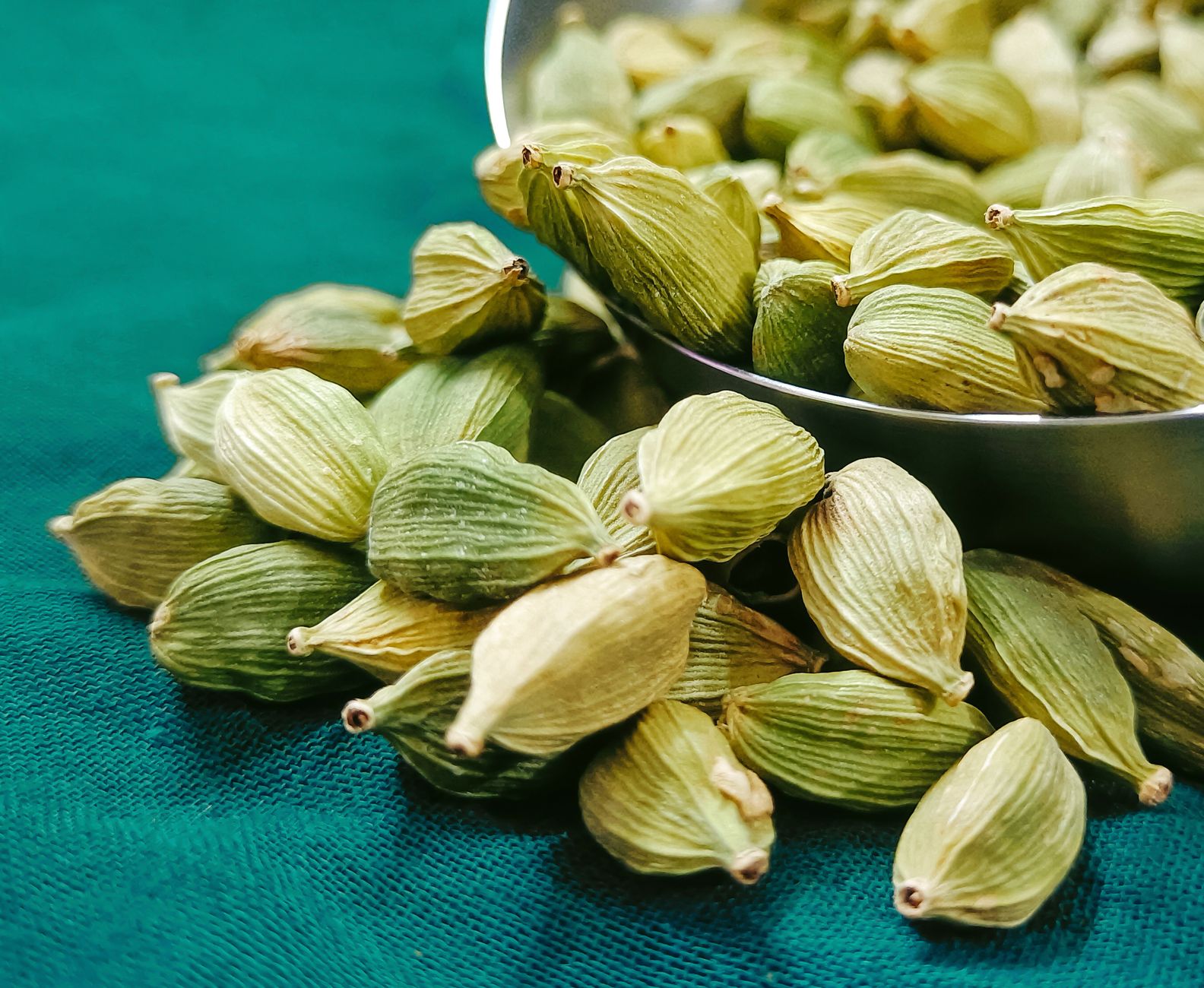
Cardamom is a fragrant spice that has captivated the culinary world with its distinct aroma and complex flavor. It is essential in many kitchens, from savory dishes to sweet desserts and beverages. But many often wonder about its classification—specifically, whether cardamom is a nut. This article will clarify that question and explore its uses, flavor profile, and serving suggestions to enhance your cooking experience.
In this detailed guide, we’ll delve into the characteristics of cardamom, its culinary applications, and answers to common questions surrounding this exotic spice. By the end, you’ll be well-informed on how to incorporate cardamom into your kitchen and cooking routines.
Is Cardamom a Nut?
No, cardamom is not a nut. It is actually a seed derived from the pods of plants in the Zingiberaceae family, which also includes ginger. Cardamom seeds are enclosed in small, green or brown pods that contain a sweet and spicy aroma. While cardamom may be included in discussions about nutmeg and other spices, it shares no botanical classification with nuts.
Understanding Cardamom
Before discussing its culinary uses, it’s helpful to understand what cardamom is and where it comes from. Cardamom is a flowering plant native to India, Nepal, and Bhutan, and its seeds have been utilized for thousands of years in traditional medicine, as well as in cooking for flavoring. There are two main types of cardamom: green cardamom and black cardamom.
Types of Cardamom
- Green Cardamom: Often referred to simply as cardamom, this is the most commonly used variety in cooking. It has a sweet and citrusy flavor and is often used in both sweet and spicy dishes.
- Black Cardamom: This variety has a smoky flavor and is used primarily in savory dishes. It is characterized by its larger size and dark pods.
Flavor Profile of Cardamom
Cardamom has a unique flavor that is often described as warm, spicy, and slightly sweet. It has a complex aroma that combines hints of lemon and mint. This multifaceted flavor and scent make cardamom a versatile ingredient in various culinary applications.
Culinary Uses of Cardamom
Cardamom can enhance dishes in numerous ways, making it a favorite among home cooks and chefs alike. Here are several popular culinary uses:
Savory Dishes
In savory cooking, cardamom is frequently used in spice blends, such as garam masala or curry powder. Here are examples of how you can use cardamom in savory dishes:
- Use crushed green cardamom pods in biryani or pilaf to impart a fragrant aroma.
- Add black cardamom to stews and braised meat dishes for a smoky depth of flavor.
- Include cardamom in marinades for meat, particularly lamb and chicken.
Baking and Desserts
In baking, cardamom can elevate a simple dessert or bread. Consider the following applications:
- Add ground cardamom to cookie recipes, especially those featuring chocolate or nuts, to introduce an aromatic twist.
- Incorporate cardamom into cake batters or frostings for spice-infused treats.
- Use in custards and puddings to enhance flavors when making traditional desserts.
Drinks
Cardamom is a staple in various beverages. It can add a flavorful kick to many drinks:
- Add a few crushed pods to chai or tea for a spiced beverage experience.
- Use ground cardamom as a seasoning in coffee or hot chocolate.
- Infuse cardamom into syrups for cocktails, giving an exotic flair to your drinks.
Serving Ideas for Cardamom
Integrating cardamom into your cooking can be quite simple with a few thoughtful serving ideas:
- For a fragrant rice dish, cook rice with cardamom pods and peppercorns to create an aromatic side.
- Sprinkle ground cardamom over freshly baked bread or pastries before baking for added flavor.
- Mingle cardamom with honey and warm milk for a comforting evening beverage.
How to Use Cardamom in Cooking
Cardamom can be used in various forms: whole pods, ground seeds, or as extracts. Here’s how to use each:
Whole Pods
Whole cardamom pods must be crushed open to release their flavor. Here’s how to work with them:
- Gently crack the pod using a mortar and pestle or the flat side of a knife.
- Remove the seeds from inside.
- Use the seeds directly in your recipes or grind them into a powder for more potency.
Ground Cardamom
This is the most convenient form of cardamom. When using ground cardamom, keep in mind:
- Ground cardamom is more potent than whole pods; use it sparingly—a little goes a long way.
- Add it towards the end of cooking to preserve its flavor and aroma.
Cardamom Extract
If you have cardamom extract on hand, it can be a fantastic way to incorporate flavor without adding more spice:
- Use a few drops in baking recipes for cakes or cookies.
- Incorporate it into smoothies or milkshakes for an aromatic twist.
Storage of Cardamom
Proper storage of cardamom is essential to maintain its freshness and potency. Here are some guidelines:
- Store whole cardamom pods in an airtight container in a cool, dark place.
- Ground cardamom should also be kept in a sealed container to protect it from moisture and light.
- Try to use your spices within six months to a year for optimal flavor.
Substitutions for Cardamom
While cardamom has a unique flavor profile, here are some potential substitutes if you find yourself out of this spice:
- Allspice: A blend of clove, nutmeg, and cinnamon that shares similar warm flavors. Substitute in equal amounts.
- Cinnamon: While not identical, cinnamon gives warmth and sweetness. Use a bit less as it can be more pungent.
- Ginger: Fresh or ground ginger can mimic some of cardamom’s spice. Use about half the amount as a starting point.
Common Mistakes and Troubleshooting
When cooking with cardamom, there are some common pitfalls to avoid:
- Using too much ground cardamom can overpower other flavors; start with less and adjust to taste.
- Neglecting to crush cardamom pods before use can result in a lack of flavor; ensure to crack them for optimal infusion.
Make-Ahead Tips
Many dishes containing cardamom can be prepared ahead of time, enhancing their flavors:
- Curries and stews often taste better the next day, allowing the spice flavors to meld.
- Consider preparing spice blends with cardamom in advance for quicker meal prep.
In conclusion, cardamom is not a nut but a versatile spice that can elevate various dishes. With its distinctive flavor and aroma, you can use it in savory and sweet meals alike. Keep experimenting with cardamom in your kitchen and enjoy the delightful, aromatic results.
For more culinary insights, feel free to explore related recipes like cashew information or how to properly soak chia seeds for additional cooking tips! Happy cooking!