
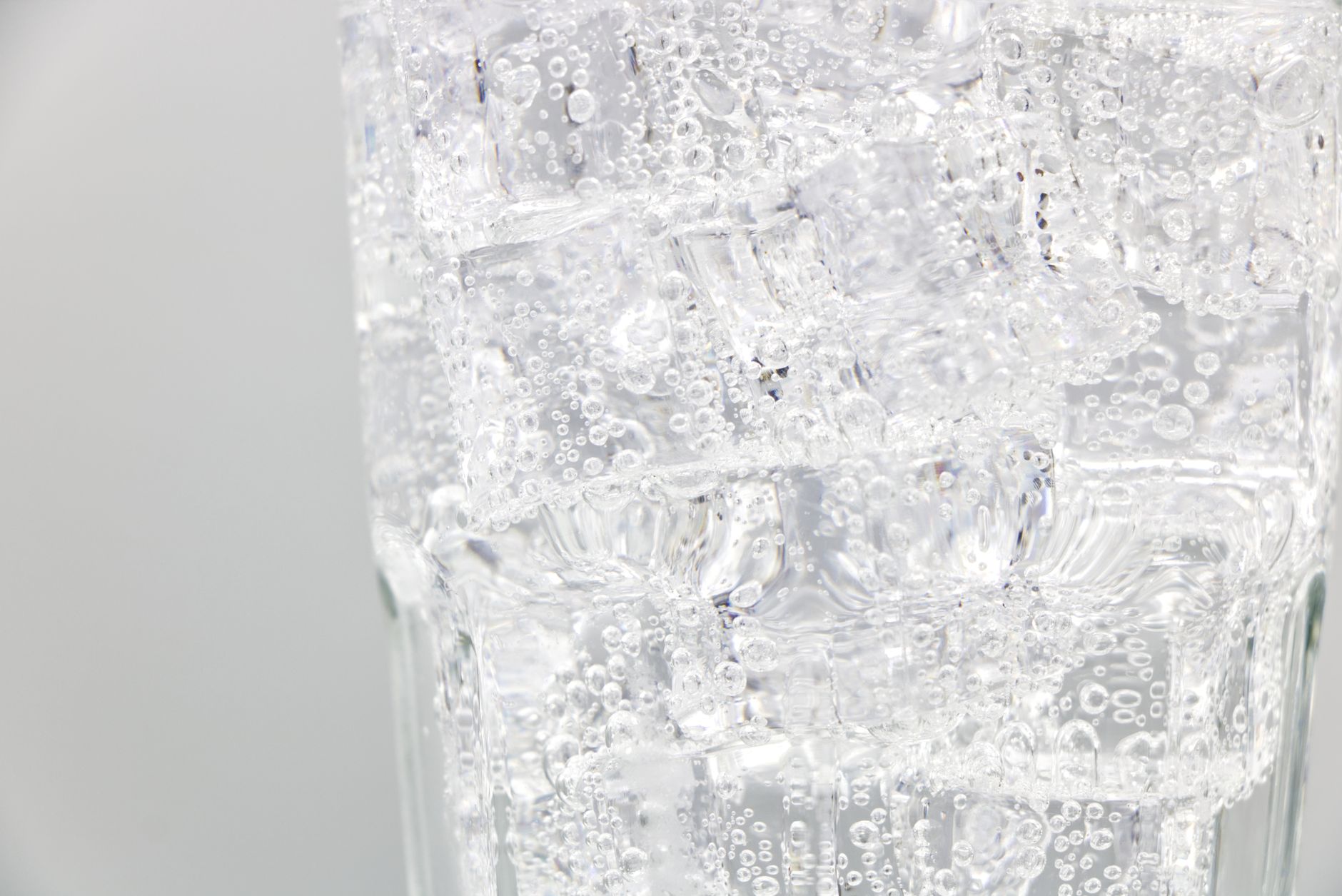
Carbonated mineral water has gained popularity as a refreshing beverage choice among health enthusiasts in recent years. With a crisp taste and an energetic fizz, it appeals to those looking for alternatives to sugary sodas and beverages. But what exactly does it mean for your health? In this article, we will explore the potential benefits and drawbacks of carbonated mineral water while examining its nutritional content.
As we delve into the world of carbonated mineral water, we aim to answer the burning question: Is carbonated mineral water good for you? We will break down its components, discuss its health benefits, and address some common concerns people might have. Together, we will provide a comprehensive guide to understanding this bubbly drink.
Is Carbonated Mineral Water Good for You?
Yes, carbonated mineral water can be good for you when consumed in moderation. It is typically low in calories, may aid digestion, and can help keep you hydrated. However, it is important to consider potential drawbacks, such as acidity and sodium content, depending on the brand. Understanding these factors will empower you to make informed choices.
What is Carbonated Mineral Water?
Carbonated mineral water, also known as sparkling water, is water that contains naturally occurring minerals that have been infused with carbon dioxide gas under pressure. This process gives the water its characteristic fizz and enhances its flavor. Typically, mineral water is sourced from springs or wells and varies in mineral content depending on its source.
Nutritional Profile of Carbonated Mineral Water
The nutritional content of carbonated mineral water can vary by brand, but most commonly, it contains:
- Water (H2O)
- Minerals (such as calcium, magnesium, sodium, and bicarbonate)
- Carbon dioxide (CO2)
Here’s a closer look at the minerals found in carbonated mineral water:
Calcium
Calcium is essential for maintaining strong bones and teeth. It also plays a role in muscle function and nerve signaling. Many brands of carbonated mineral water provide a modest amount of calcium, contributing to your daily needs.
Magnesium
Magnesium is critical for over 300 biochemical reactions in the body, including energy production, protein synthesis, and regulating muscle and nerve function. A good source of magnesium, carbonated mineral water can help meet your daily intake.
Sodium
Some brands of carbonated mineral water may have higher sodium content due to their natural mineral composition. While a small amount of sodium is necessary for bodily functions, excessive consumption can contribute to hypertension or fluid retention. Therefore, it’s crucial to check the sodium levels in the bottles you choose.
Bicarbonate
Bicarbonate can help balance the pH levels in the body, assisting with digestion and maintaining overall gut health. Its presence in mineral water can help neutralize stomach acidity and may prevent digestive issues.
Health Benefits of Carbonated Mineral Water
Now let’s take a closer look at the potential health benefits of incorporating carbonated mineral water into your diet:
1. Hydration
Staying hydrated is essential for overall health, and carbonated mineral water can be an excellent way to keep your fluid intake up. The refreshing nature of sparkling water can encourage you to drink more, helping maintain optimal hydration levels in the body.
2. Improved Digestion
Many people report improved digestion after consuming carbonated mineral water. The carbonation can stimulate stomach acid production, which may aid the digestion of food. Additionally, its alkaline minerals can help neutralize stomach acid, potentially alleviating symptoms like bloating or indigestion.
3. Weight Management
Drinking carbonated mineral water instead of sugary drinks can significantly reduce calorie intake. The fizzy texture can create a sense of fullness, potentially reducing cravings for high-calorie snacks. As a bonus, its refreshing flavor makes it an appealing substitute for sodas.
4. Dental Health
Unlike sugary beverages, carbonated mineral water does not contribute to tooth decay. It is essential, however, to choose waters without added sugars or citric acid, which can wear away tooth enamel over time. Plain sparkling water is a better choice for maintaining dental health.
5. Bone Health
The minerals found in carbonated mineral water, particularly calcium and magnesium, are essential for maintaining strong bones. Regular consumption of mineral water may help support bone density and minimize the risk of osteoporosis in some individuals.
Potential Drawbacks and Concerns
Despite its benefits, there are potential drawbacks to consider when consuming carbonated mineral water:
1. Acidity
The carbonation process can lead to slightly acidic water, which might be a concern for those with acid sensitivity. Chronic exposure to highly acidic beverages can potentially lead to dental erosion or stomach discomfort. Opting for lower-acid brands can help mitigate this risk.
2. Sodium Content
As mentioned earlier, some brands may contain higher levels of sodium, which can contribute to negative health effects, particularly for individuals with hypertension or those watching their sodium intake. Always check the label and choose lower-sodium options when possible.
3. Gastrointestinal Issues
For some, the carbonation can cause bloating or gas. If you’re prone to gastrointestinal discomfort, you may want to limit your intake or switch to still water occasionally.
4. Cost
Carbonated mineral water tends to be more expensive than regular tap or bottled water. If you find yourself drinking it regularly, consider the cost implications and weigh them against your overall budget.
Choosing the Right Carbonated Mineral Water
With numerous brands and varieties on the market, how do you choose the best carbonated mineral water? Here are some tips to help you select a high-quality product:
1. Read the Label
Always check the label for mineral content, sodium levels, and any added sugars. Choose waters with no added flavors or artificial ingredients.
2. Look for Natural Sources
Opt for brands that source their mineral water from natural springs or wells to ensure you’re getting the authentic mineral content. These sources often yield higher quality water compared to artificially carbonated tap water.
3. Consider Your Flavor Preference
Some people enjoy the pure taste of plain carbonated mineral water, while others prefer flavored options. If you choose flavored varieties, ensure they don’t contain added sugars or artificial sweeteners.
4. Experiment with Brands
Carbonated mineral waters can have different flavors and textures based on their mineral composition and carbonation levels. Don’t hesitate to try different brands until you find one that suits your taste.
How to Incorporate Carbonated Mineral Water into Your Diet
There are several ways to enjoy carbonated mineral water beyond simply drinking it. Here are some ideas:
1. Flavor Infusions
Add slices of fresh fruit, herbs, or citrus to your sparkling water for a refreshing drink without added calories. Popular combinations include lemon and mint, cucumber and basil, or strawberries and lime.
2. Mocktails
Use carbonated mineral water as a base for delicious mocktails. Mix it with fruit juices, herbs, and spices for a festive, non-alcoholic drink option.
3. Use in Recipes
Incorporate carbonated mineral water into recipes that call for liquid, such as pancakes or batters, to create a lighter, fluffier texture. You can also use it to deglaze pans for quick sauces.
4. Pair with Meals
Serve carbonated mineral water alongside meals to enhance flavors and improve hydration. It can help cleanse the palate between courses and add a refreshing touch to your dining experience.
Practical Tips for Storage and Serving
To maintain the quality and freshness of your carbonated mineral water, consider these storage and serving tips:
1. Store in a Cool, Dark Place
To preserve the carbonation and flavor, store unopened bottles of carbonated mineral water in a cool, dark place, such as a pantry or cupboard.
2. Refrigeration
Once opened, chill the bottle in the refrigerator. However, it is advisable to consume the water within a few days to enjoy the best flavor and carbonation.
3. Use the Right Glassware
When serving, opt for a glass that can accommodate the carbonation. A wide-mouthed glass can allow for better fizz retention, while a tall glass can enhance the visual appeal.
4. Reseal Properly
If you don’t finish the bottle, reseal it tightly to help maintain carbonation and prevent it from going flat too quickly.
Conclusion
In summary, carbonated mineral water can be a good addition to a well-balanced diet, offering hydration, essential minerals, and a refreshing alternative to sugary beverages. By selecting high-quality options, understanding potential drawbacks, and incorporating it meaningfully into your eating habits, you can enjoy the benefits of this bubbly drink without the downsides. Moderation is key, and as long as you pay attention to labels and your body’s responses, carbonated mineral water can fit into a healthy lifestyle.
Explore more about improving your diet with delicious recipes like chia pudding, or find insights on the best options for hydration in our guide on bottled water.