
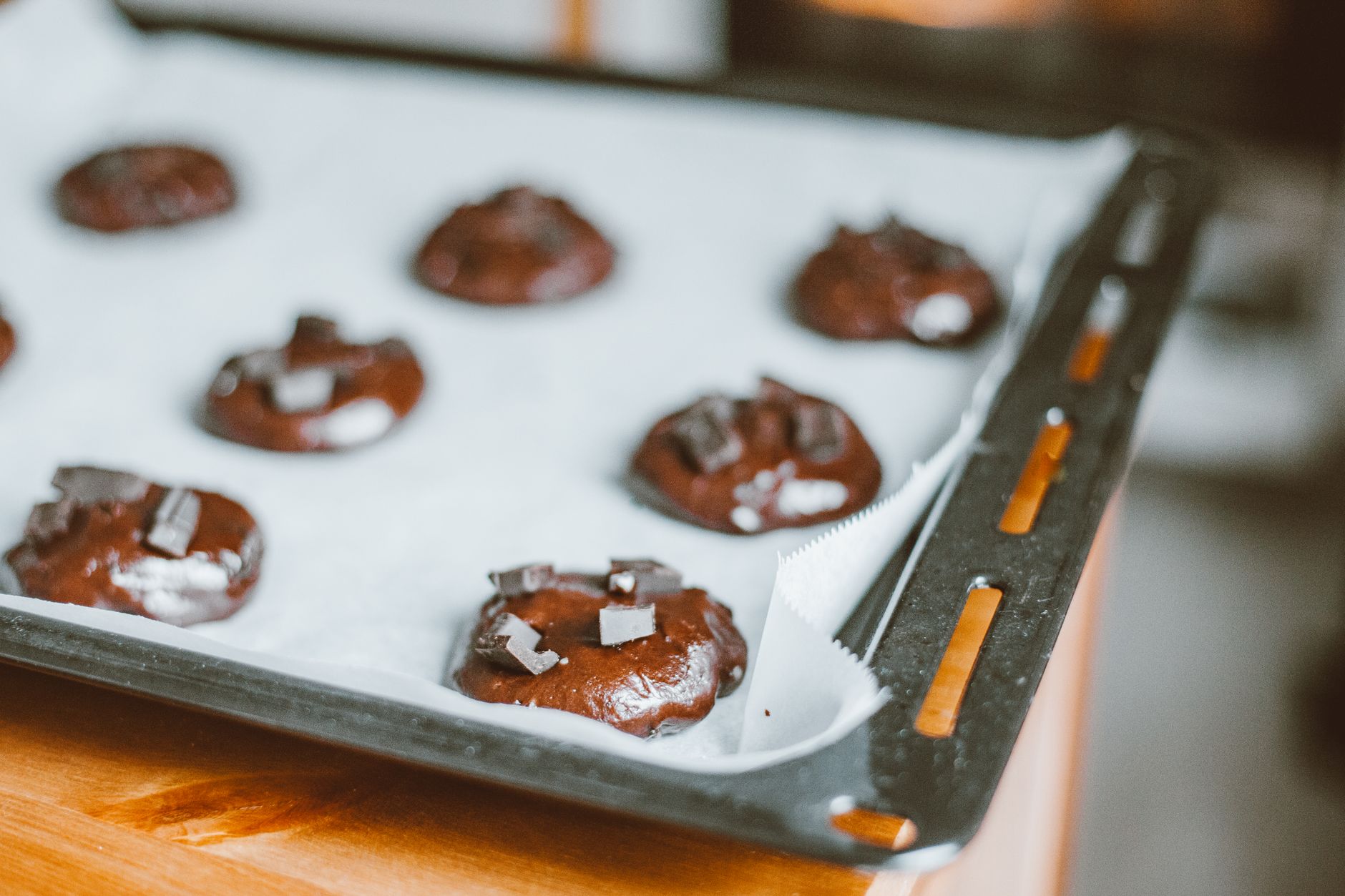
Brownie batter is a beloved mixture that transforms into a rich, fudgy dessert. The texture of brownie batter is often debated among bakers and enthusiasts alike. Many wonder, is brownie batter supposed to be thick? Understanding the right consistency can influence the final outcome in terms of flavor and texture.
In this comprehensive guide, we will explore the ideal thickness of brownie batter, factors that influence this consistency, and the additional tips and tricks that can improve your brownie-making experience. Whether you’re a baking novice or an experienced chef, this information will help you achieve the perfect brownies.
Is Brownie Batter Supposed to Be Thick?
Yes, brownie batter is typically supposed to be thick. This thick consistency ensures that the final product is fudgy rather than cakey. The exact thickness, however, can vary depending on the type of brownies you are making and the specific recipe you are following.
Understanding Brownie Batter Consistency
The consistency of brownie batter is crucial for determining the texture of the final baked brownies. Brownies can be classified into different types, such as fudgy, chewy, and cakey, and each type requires a different batter consistency. Let’s examine these categories more closely.
Fudgy Brownies
Fudgy brownies are characterized by their dense, moist, and rich texture. The batter for fudgy brownies tends to be thick, often resembling a very soft dough. This thickness results from higher fat content (using more butter or chocolate) and less flour.
Cakey Brownies
Cakey brownies are lighter with a cake-like texture. The batter is usually thinner than that of fudgy brownies, due to the increased flour content and the use of baking powder or baking soda. The ratio of ingredients can greatly influence the thickness of the batter.
Chewy Brownies
Chewy brownies fall somewhere between fudgy and cakey. They have a bit of thickness, but not quite as much as fudgy brownies. This is often achieved by a balanced proportion of flour, fat, and sugars.
Factors Influencing Brownie Batter Thickness
Several factors can affect the thickness of brownie batter, including ingredient ratios, types of ingredients, and mixing techniques. Understanding these factors can help you adjust your recipes as needed.
Ingredient Ratios
- Fat: Higher fat content contributed by butter or oil leads to thicker batter. Creamier fats will create a more fudgy texture.
- Flour: More flour results in thicker batter. A higher flour-to-fat ratio will give you a more cake-like brownie.
- Sugars: Using brown sugar can add moisture and a thicker consistency compared to granulated sugar.
- Eggs: The number of eggs affects moisture and thickness. More eggs can fluff up the batter but also make it less dense.
Types of Ingredients
The choice of ingredients can also play a role in the batter consistency. For instance, using melted chocolate versus cocoa powder can lead to different textures. Melted chocolate adds richness and thickness, while cocoa powder may yield a lighter batter if not balanced with enough fat.
Mixing Techniques
The way you mix your batter can also influence its thickness. Overmixing can incorporate air and lead to a lighter, cake-like texture, while undermixing may yield a thick, dense batter.
Common Mistakes in Brownie Batter Preparation
Understanding common pitfalls can help ensure your brownie batter achieves the desired thickness. Here are some mistakes to avoid:
Incorrect Ingredient Measurements
Inaccurate measuring of ingredients can throw off the balance required for the perfect brownie consistency. Always measure your ingredients precisely, and consider using a kitchen scale for accuracy.
Using the Wrong Type of Sugar
Using only granulated sugar may produce a lighter batter rather than the rich, thick consistency of classic brownies. Brown sugar can add moisture, depth of flavor, and thickness.
Not Melting Ingredients Properly
When incorporating chocolate and butter, it’s essential to melt them properly. If they are not melted enough, it can lead to clumps that affect the batter’s overall thickness.
Overmixing the Batter
While mixing is necessary to combine ingredients, overmixing can lead to air incorporation, resulting in a cake-like texture rather than the desired thickness. Mix just until all the dry ingredients are combined.
How to Adjust Brownie Batter Thickness
If you find your brownie batter is not at the desired thickness, there are ways to adjust it. Here are some useful techniques:
Thickening the Batter
- Add More Flour: Gradually add extra flour a tablespoon at a time until the batter reaches a thicker consistency.
- Use Less Liquid: Reducing the amount of liquid ingredients—such as eggs or milk—can help thicken the batter.
- Incorporate Cocoa Powder: Adding cocoa powder draws moisture and thickens the batter, especially if you are using melted chocolate.
Thinning the Batter
- Add an Extra Egg: Adding an additional egg can help loosen the batter and create a more cakey consistency.
- Add Liquid: If the batter is too thick, a tablespoon of milk, water, or even coffee can help thin it out.
- Reduce the Flour: If using too much flour, consider taking a small amount out to achieve the desired consistency.
Tips for Perfect Brownies
Achieving the perfect brownie can be an art. Here are some tips to keep in mind while making your brownies:
Choosing the Right Baking Dish
The size of your baking pan can significantly alter brownie thickness. A larger pan will result in thinner brownies, while a smaller pan will yield thicker brownies. Using an 8-inch or 9-inch square pan is ideal for medium-thick brownies.
Paying Attention to Oven Temperature
Ensure your oven is properly preheated. Baking brownies in an oven that’s too hot can cause them to rise and fall quickly, affecting their final thickness. An oven thermometer can help verify that your oven is at the correct temperature.
Using the Right Baking Time
Overbaking can dry out your brownies and alter their thickness. Keep a close eye on them during the last few minutes of baking. A toothpick inserted into the center should come out with a few moist crumbs.
Cooling Properly
Allow brownies to cool in the pan for some time before transferring them to a wire rack. Cooling solidifies their structure, making them easier to slice without falling apart.
Different Ways to Use Brownie Batter
The thick texture of brownie batter allows for versatile uses beyond traditional baking. Here are some creative ideas:
Brownie Cookies
Turn thick brownie batter into cookies by dropping spoonfuls onto a baking sheet instead of pouring the batter into a pan. Adjust baking time accordingly to ensure they cook through.
Brownie Cups
Create brownie cups by spooning thick batter into a muffin tin. Bake until they rise and create a cup shape that can hold fillings like ice cream or frosting.
Swirled Brownies
Elevate your brownies by swirling in other batters, such as cheesecake or peanut butter. The contrasting textures make each bite exciting.
Storing Brownies
Proper storage will maintain brownie texture and flavor. Here’s how to do it effectively:
Room Temperature Storage
If you plan to eat your brownies within a few days, store them in an airtight container at room temperature. This will keep them fresh and moist.
Refrigeration
For longer storage, you can refrigerate brownies. Just ensure they’re well-wrapped to prevent them from drying out.
Freezing Brownies
Brownies freeze well and can be wrapped tightly in plastic wrap and placed in an airtight container. Defrost them in the refrigerator or at room temperature before consuming.
Conclusion
Brownie batter consistency is crucial for achieving the desired texture and flavor in your finished dessert. While thick batter is typically indicative of fudgy brownies, adjustments can be made depending on personal preferences and recipe requirements. By understanding the factors that influence batter thickness and implementing tips for success, you can enjoy perfectly baked brownies every time.
For further exploration, consider trying our cottage cheese brownie recipe for a unique twist, or check out our brownie brittle recipe for a crispy alternative. Happy baking!