
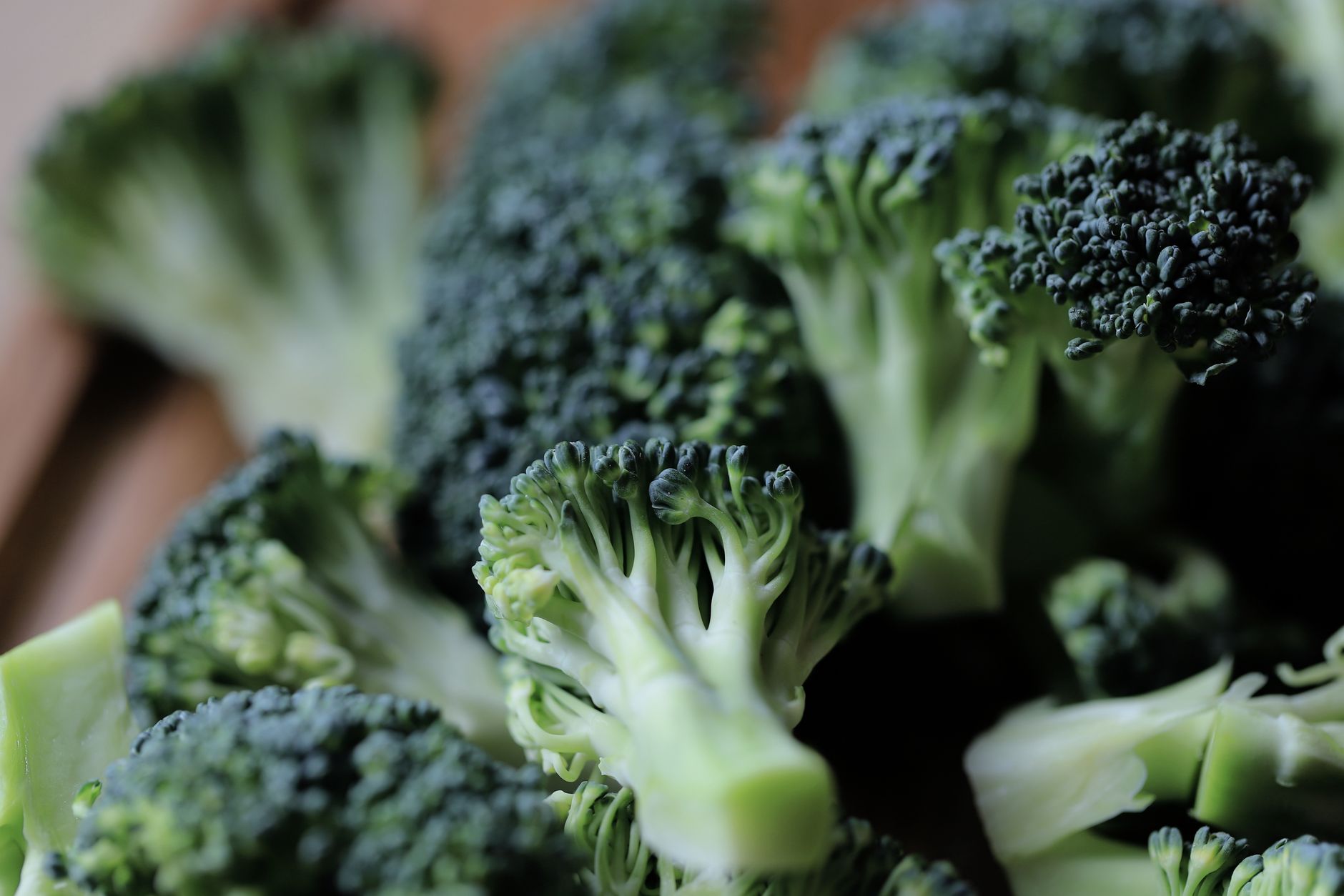
Broccoli, a cruciferous vegetable renowned for its health benefits, often finds its way into various dishes. As more people become mindful of their nutrient intake, questions about specific vitamins and minerals in foods arise. One common inquiry is whether broccoli is high in potassium, which is essential for various bodily functions.
This article will explore the potassium content in broccoli, its health benefits, culinary uses, and how it compares to other potassium-rich foods. We’ll also provide tips on incorporating more broccoli into your meals to ensure you’re getting enough of this vital mineral.
Is Broccoli High In Potassium?
Broccoli is moderately high in potassium, containing approximately 316 mg of potassium per 100 grams (about 3.5 ounces) of raw broccoli. This amount provides around 7% of the recommended daily intake for adults. While not the highest among vegetables, broccoli still contributes to achieving your potassium needs.
Potassium plays crucial roles in muscle function, nerve signaling, fluid balance, and maintaining healthy blood pressure levels. Therefore, including potassium-rich foods like broccoli in your diet can be beneficial.
Potassium Content in Broccoli
Understanding the nutritional breakdown of broccoli helps highlight its benefits beyond potassium. Let’s take a closer look at its composition:
| Nutrient | Per 100g |
|---|---|
| Calories | 34 |
| Protein | 2.8 g |
| Carbohydrates | 6.6 g |
| Fiber | 2.6 g |
| Fat | 0.4 g |
| Potassium | 316 mg |
Why Potassium Matters
Potassium is an essential mineral that serves multiple functions in the body. Its benefits include:
- Regulating Blood Pressure: Adequate potassium intake can help lower blood pressure by balancing sodium levels in the body.
- Muscle Function: Potassium is crucial for muscle contraction and maintaining healthy muscle function.
- Nerve Transmission: It plays a role in transmitting electrical signals in the nervous system.
- Fluid Balance: Potassium helps manage fluid levels in the body, ensuring cells function properly.
- Bone Health: Studies suggest that potassium may contribute to bone density and overall bone health.
Broccoli’s Place in a Potassium-Rich Diet
Incorporating broccoli into a potassium-rich diet is beneficial due to its nutritional profile. While broccoli alone may not provide all the potassium you need, it can be an excellent component of a varied diet. For context, the daily recommended intake of potassium for adults is approximately 2,500 to 3,000 mg, depending on age, sex, and health status.
Below are additional foods that are high in potassium and can be combined with broccoli for optimal nutrient intake:
- Spinach: Approximately 558 mg of potassium per 100 g.
- Sweet Potatoes: Around 337 mg per 100 g.
- Avocado: Contains about 485 mg per 100 g.
- Bananas: Approximately 358 mg per 100 g.
- Potatoes: Roughly 425 mg per 100 g.
Cooking with Broccoli
Broccoli can be prepared in various ways, making it a versatile addition to meals. Cooking methods that retain its potassium content include:
- Steaming: This method preserves nutrients and the vegetable’s vibrant color.
- Roasting: Roasting brings out a nutty flavor while keeping its texture intact.
- Blanching: Quickly boiling and then cooling broccoli helps maintain its bright color and crispness.
- Stir-Frying: This method adds flavor and allows for quick cooking, preserving its nutrient content.
Recipe Ideas Featuring Broccoli
Here are a few recipe ideas to further incorporate broccoli into your diet while boosting your potassium intake:
1. Broccoli and Cheese Casserole
This comforting dish combines broccoli with creamy cheese sauce and crispy breadcrumbs for a delightful side or main course.
Serving Size: 6 | Preparation Time: 15 minutes | Cooking Time: 25 minutes | Total Time: 40 minutes
Ingredients
- 400 g broccoli florets, steamed
- 2 cups shredded cheddar cheese
- 1/2 cup milk
- 1 cup breadcrumbs
- 1 tablespoon butter
- Salt and pepper to taste
Method
- Preheat the oven to 350°F (175°C).
- In a baking dish, layer the steamed broccoli and top with shredded cheddar cheese.
- In a saucepan, melt the butter over medium heat. Add the milk and stir until combined. Season with salt and pepper.
- Pour the milk mixture over the broccoli and cheese.
- Sprinkle breadcrumbs over the top.
- Bake for 25 minutes or until the top is golden brown.
2. Broccoli Stir-Fry
This quick and healthy stir-fry combines broccoli with colorful vegetables and protein for a balanced dinner.
Serving Size: 4 | Preparation Time: 10 minutes | Cooking Time: 10 minutes | Total Time: 20 minutes
Ingredients
- 300 g broccoli florets
- 1 bell pepper, sliced
- 1 carrot, julienned
- 2 cloves garlic, minced
- 1 tablespoon soy sauce
- 2 tablespoons olive oil
- Tofu or chicken (optional)
Method
- Heat olive oil in a large skillet over medium-high heat.
- Add the garlic and sauté for 1 minute until fragrant.
- Add broccoli, bell pepper, and carrot. Stir-fry for 5-7 minutes, or until vegetables are tender but crisp.
- Add soy sauce and stir to combine. If using, add in tofu or cooked chicken at this time.
- Cook for an additional 2-3 minutes, then remove from heat and serve.
Practical Tips for Choosing and Storing Broccoli
Selecting fresh broccoli is essential for optimal flavor and nutrient content:
- Look for vibrant green florets. Avoid broccoli with yellowing or wilting leaves.
- Check the stems; they should be firm, not soft or hollow.
- Fresh broccoli should feel heavy for its size and have a fresh, earthy smell.
When storing broccoli:
- Keep it unwashed in the refrigerator in a perforated plastic bag for up to 3-5 days.
- Do not wash until you’re ready to use it, as moisture encourages spoilage.
- Broccoli can be blanched and stored in the freezer for longer shelf life—up to 12 months.
Common Mistakes to Avoid When Cooking Broccoli
While broccoli is easy to prepare, a few pitfalls can minimize its flavor and nutrient retention:
- Overcooking: Broccoli becomes mushy and loses its vibrant color and nutrients if overcooked. Aim to keep it crisp.
- Omitting Cooking Techniques: Skipping methods like steaming can lead to nutrient loss. Opt for cooking methods that preserve flavor and texture.
- Ignoring Seasoning: Lack of seasoning can result in bland broccoli. A pinch of salt, pepper, or a drizzle of olive oil can enhance its flavor.
How to Increase Potassium Intake Beyond Broccoli
While broccoli is a valuable source of potassium, diversifying your diet is key to meeting your potassium needs. Here are several tips for increasing potassium intake:
- Incorporate a variety of fruits and vegetables into your meals. Bananas, oranges, prunes, and leafy greens are all excellent sources.
- Start your day with a potassium-rich smoothie by blending spinach, banana, and a nut butter of choice.
- Use sweet potatoes as a side dish; they are not only flavorful but also packed with potassium.
- Consider potassium-rich snacks, such as yogurt with fruit or hummus with carrot sticks.
- Cook beans, lentils, and nuts into your meals for added potassium and protein.
Conclusion: Embrace Broccoli in Your Diet
With its moderate potassium content, broccoli is a healthy addition to any diet. Its versatility allows for a range of culinary applications, from salads to casseroles. By incorporating broccoli along with other potassium-rich foods, you can effectively boost your health and nutrient intake.
For a delicious way to enjoy broccoli, consider trying the Ground Beef and Broccoli Recipe. Also, learn about the carbohydrate content in broccoli with Does Broccoli Have Carbs?.