
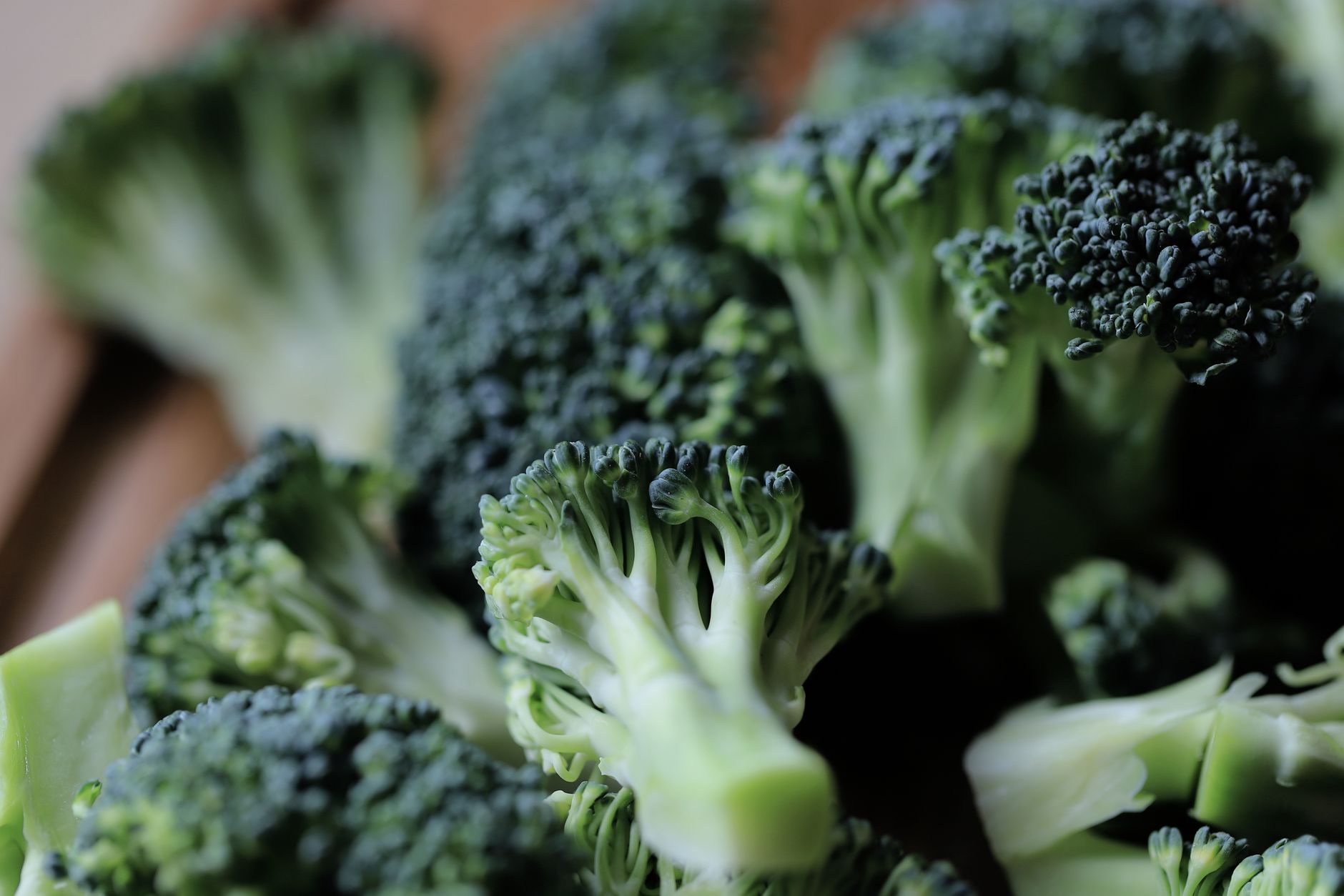
Broccoli is a green vegetable often hailed for its numerous health benefits. Known for its distinctive flower-like florets and crunchy stalks, it’s a versatile ingredient in many dishes. This article explores the nutritional profile of broccoli, its health benefits, serving suggestions, and overall contributions to a healthy diet.
In addition to being a popular side dish, broccoli can be enjoyed in salads, soups, or as part of your main course. Understanding whether broccoli is healthy for you can aid in better meal planning and improve your overall diet.
Is Broccoli Healthy for You?
Yes, broccoli is highly nutritious and offers various health benefits. It’s rich in vitamins C and K, fiber, and antioxidants, contributing to a balanced diet and potentially reducing the risk of chronic diseases.
Nutritional Profile of Broccoli
Broccoli is low in calories but high in essential nutrients. Here’s a breakdown of what you can find in one cup (91 grams) of raw broccoli:
- Calories: 31
- Protein: 2.5 grams
- Carbohydrates: 6 grams
- Fiber: 2.4 grams
- Fat: 0.4 grams
- Vitamin C: 135% of the Daily Value (DV)
- Vitamin K: 116% of the DV
- Folate: 14% of the DV
- Potassium: 8% of the DV
- Iron: 4% of the DV
These nutrients play crucial roles in maintaining bodily functions and overall health.
Health Benefits of Broccoli
1. Rich in Antioxidants
Broccoli contains various antioxidants, such as sulforaphane, that may protect your cells from damage by free radicals. Antioxidants help combat inflammation and oxidative stress, potentially lowering the risk of diseases.
2. Supports Immune Function
The high vitamin C content in broccoli supports the immune system, enhancing your body’s ability to fend off infections and illnesses. Regular consumption could lead to better overall health.
3. Promotes Bone Health
Vitamin K is vital for bone health, aiding in calcium absorption and bone mineralization. Incorporating broccoli into your meals can contribute to maintaining strong bones.
4. Aids Digestion
Broccoli’s fiber content is beneficial for digestive health. A high-fiber diet can help prevent constipation and promote a healthy gut microbiome.
5. May Reduce the Risk of Chronic Diseases
Studies suggest that the compounds found in broccoli may lower the risk of certain cancers, including breast, prostate, and colorectal cancers. The protective effects are largely due to antioxidant properties and anti-inflammatory benefits.
6. Supports Heart Health
Regular consumption of broccoli has potential heart health benefits. Its fiber and antioxidant content may help reduce bad cholesterol levels and improve overall cholesterol balance, promoting a healthier heart.
How to Choose and Store Broccoli
Choosing Fresh Broccoli
When selecting broccoli, look for firm, bright green heads with tightly closed florets. Avoid any bunches that have yellowing leaves or wilting stems, as these may indicate age or poor quality.
Storing Broccoli
To keep broccoli fresh, store it in the refrigerator, unwashed, in a perforated plastic bag. It typically stays fresh for about three to five days. Avoid washing it until you are ready to use it, as excess moisture can lead to spoilage.
Cooking Techniques for Broccoli
Broccoli can be prepared using various cooking methods, each offering unique flavors and textures. Here are several popular techniques:
1. Steaming
Steaming is one of the healthiest cooking methods for broccoli, preserving most of its nutrients.
- Fill a pot with an inch of water and place a steamer basket over it.
- Bring the water to a boil.
- Add broccoli florets to the basket, cover, and steam for 5-7 minutes.
- The broccoli is ready when it’s tender yet still bright green.
2. Boiling
While boiling is quick, it can cause some nutrient loss.
- Bring a pot of salted water to a boil.
- Add broccoli and cook for 3-5 minutes until tender.
- Immediately transfer to an ice bath to halt cooking and preserve color.
3. Roasting
Roasting adds a delightful caramelized flavor to broccoli.
- Preheat your oven to 425°F (220°C).
- Cut broccoli into florets and toss with olive oil, salt, and pepper.
- Spread on a baking sheet and roast for 20-25 minutes, turning halfway.
- Look for golden-brown edges and tender stems.
4. Stir-Frying
Stir-frying broccoli can add a crunchy texture while allowing it to absorb flavors from other ingredients.
- Heat oil in a pan over medium-high heat.
- Add chopped garlic or ginger for flavor.
- Add broccoli and stir-fry for 3-5 minutes until tender-crisp.
Serving Suggestions for Broccoli
When incorporating broccoli into your meals, consider these serving ideas:
- Add steamed broccoli to pasta dishes for added texture and nutrition.
- Mix roasted broccoli into salads or grain bowls for a nutrient boost.
- Serve stir-fried broccoli alongside your favorite protein for a well-rounded meal.
- Create a broccoli cheese casserole for a comforting side dish.
- Blend steamed broccoli into a creamy soup for a healthy and satisfying option.
Common Mistakes When Cooking Broccoli
Avoid these common pitfalls when preparing broccoli:
- Overcooking: This can lead to a mushy texture and loss of nutrients. Aim for bright green and slightly tender broccoli.
- Neglecting to wash: Always rinse broccoli under cold water to remove dirt and possible pesticides.
- Skipping seasoning: Enhance the flavor of broccoli with salt, pepper, lemon juice, or garlic while cooking.
Broccoli and Special Diets
Broccoli is versatile and fits well into various dietary patterns, including:
- Vegetarian and Vegan: Rich in nutrients, it’s a great addition to meat-free diets.
- Gluten-Free: Naturally gluten-free, making it suitable for those with gluten sensitivities.
- Low-Carb: With low carbohydrate content, broccoli is perfect for low-carb diets.
Practical Substitutions for Broccoli
If broccoli isn’t available or you’d like to try something different, consider these alternatives:
- Cauliflower: Similar in texture and flavor, it works well in most recipes.
- Brussels Sprouts: They have a nutty flavor and can be roasted or steamed similarly.
- Green Beans: They provide a crunchy contrast and can be cooked in similar ways.
Nutrition Question: Does Broccoli Have Carbs?
Broccoli contains carbohydrates, but they are mainly in the form of dietary fiber, which is beneficial for digestion. With only about 6 grams of carbs per cup, broccoli is a low-carb option, making it suitable for various dietary needs.
Conclusion
Broccoli is a nutrient-dense food that can significantly enhance your diet. Its numerous benefits, delicious versatility, and ability to fit into various meal plans make it a valuable addition to your meals. The health advantages, when combined with sound cooking practices and proper storage, ensure you receive the maximum nutrients from this powerhouse vegetable. Think about trying different cooking methods and serving suggestions to enjoy its flavor and benefits fully.
For more on optimizing your diet with broccoli, check out our articles on broccoli and carbs and a delicious ground beef and broccoli recipe.