
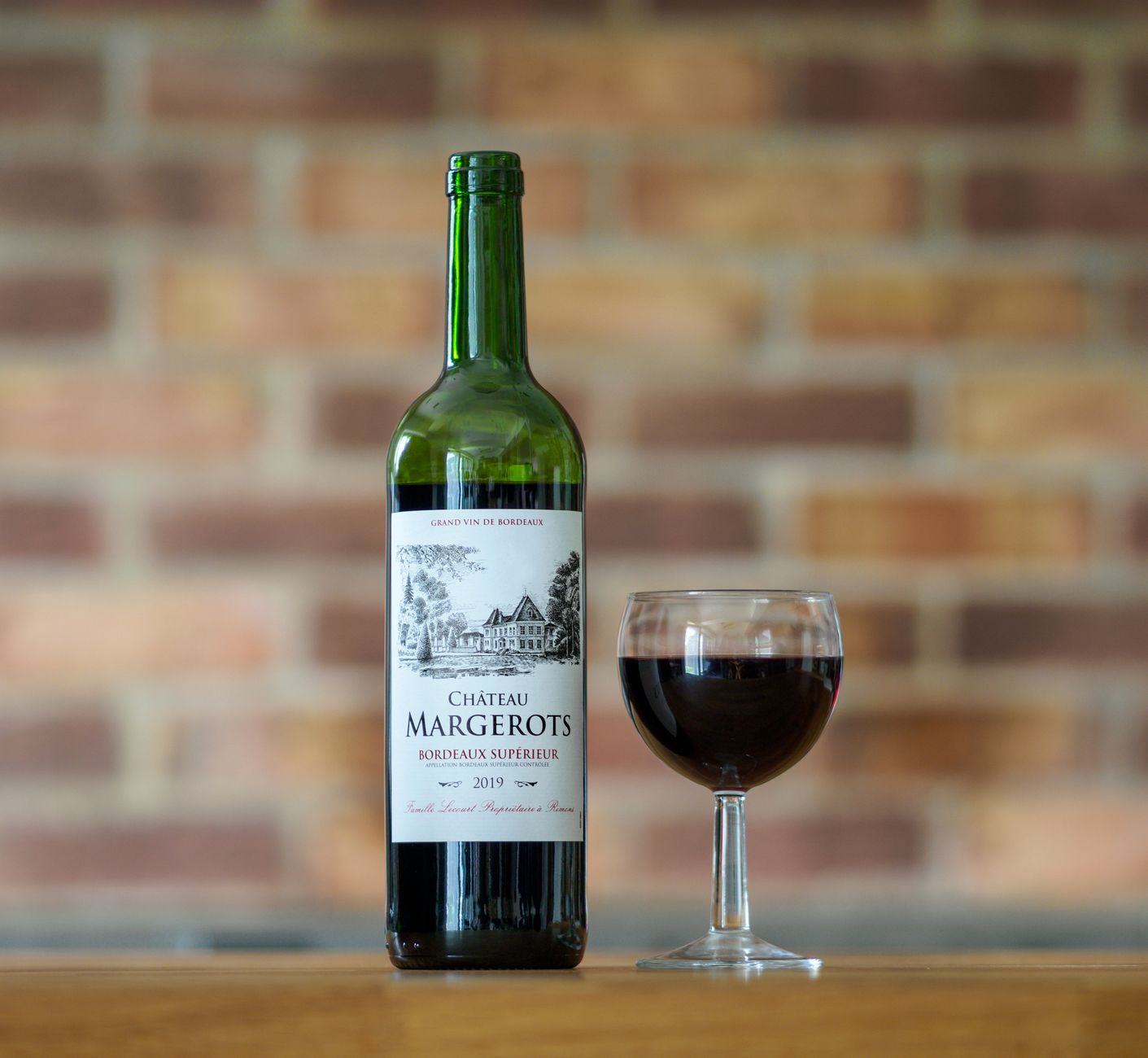
Bordeaux wine is renowned globally for its complex flavors and high-quality varieties. One common question among wine enthusiasts is whether Bordeaux wine is dry. This distinction can significantly influence food pairings and tasting experiences, making it essential to understand what defines the dryness of this celebrated wine.
In this article, we’ll explore the characteristics of Bordeaux wine, its flavors, textures, and how to serve it effectively. Whether you are a seasoned sommelier or a casual wine drinker, these insights will enhance your appreciation for Bordeaux.
Is Bordeaux Wine Dry?
Yes, Bordeaux wine is primarily considered a dry wine. The majority of Bordeaux reds, made from grape varieties like Merlot and Cabernet Sauvignon, exhibit low residual sugar levels. However, some white Bordeaux wines, particularly those made with Sémillon or Muscadelle, can have varying levels of sweetness, though they are typically still classified as dry compared to dessert wines.
Understanding Bordeaux Wine
Bordeaux is a famous wine region in southwestern France. Its diverse climate, soil, and grape varieties contribute to the complexity of its wines. Bordeaux wines are typically categorized into red, white, and sweet dessert wines, with the majority of exports being dry red wines.
Types of Bordeaux Wine
- Red Bordeaux: The most famous, usually a blend of Cabernet Sauvignon, Merlot, and sometimes Cabernet Franc.
- White Bordeaux: Primarily made from Sauvignon Blanc, Sémillon, and Muscadelle, typically dry but can have some sweet variations.
- Sweet Bordeaux: Known as Sauternes or Barsac, these wines are made with botrytized grapes and are known for their sweetness.
Flavor Profiles of Bordeaux Wines
The flavor of Bordeaux wine can vary dramatically based on the grape varieties and the region it comes from. Below are some common flavor profiles:
Red Bordeaux
Red Bordeaux wines are typically bold and complex, featuring the following key flavors:
- Fruits: Blackcurrant, plum, cherry, and blackberry.
- Herbs: Notes of green bell pepper, especially in Cabernet Sauvignon-heavy blends.
- Earthiness: Tones of leather, tobacco, and truffle, especially in older vintages.
- Spice: Black pepper, clove, and sometimes a hint of vanilla from oak aging.
White Bordeaux
White Bordeaux wines exhibit a balance of acidity and fruitiness:
- Citrus: Lemon, lime, and grapefruit are prevalent in Sauvignon Blanc.
- Stone Fruits: Apricot and peach flavors can come from Sémillon.
- Herbs: Notes of grassiness or herbaceousness from Sauvignon Blanc.
- Oak: Creamy textures and vanilla notes from aging in oak barrels.
Sweet Bordeaux
Sweet Bordeaux wines stand out for their rich flavors:
- Honey: A characteristic sweetness reminiscent of honeycomb.
- Stone Fruits: Rich flavors of apricot and peach.
- Candied Fruits: Ripe flavors of orange and tangerine.
- Spices: Notes of cinnamon and nutmeg from oak aging.
Texture of Bordeaux Wines
Texture plays a vital role in the overall experience of Bordeaux wine. The main components contributing to the texture include:
Tannins
Red Bordeaux wines typically have pronounced tannins, giving them a robust, full-bodied mouthfeel. Tannins provide that astringency and structure, essential for aging and complementing rich, fatty foods.
Acidity
White Bordeaux wines generally possess higher acidity, which contributes to their refreshing quality. This acidity helps balance the flavors and complements seafood and salads, making them a versatile food pairing choice.
Body
Red Bordeaux wines can range from medium to full-bodied, while white Bordeaux wines may be light to medium-bodied, depending on the grape composition and winemaking techniques used.
Serving Bordeaux Wine
Serving Bordeaux wine correctly can enhance your enjoyment of this superb beverage. Here are some key recommendations:
Temperature
Serving temperature is essential for optimal flavor release:
- Red Bordeaux: Serve between 60°F to 65°F (15°C to 18°C). Slightly cooler temperatures highlight the wine’s acidity and fruitiness.
- White Bordeaux: Serve chilled, around 45°F to 50°F (7°C to 10°C). Cooler temperatures help preserve freshness and crispness.
Glassware
The glassware you choose can greatly impact the tasting experience:
- Red Bordeaux: Use a large, round red wine glass that allows for aeration and enhances aromatic expression.
- White Bordeaux: Choose a smaller glass that focuses the aromas and allows for a more concentrated tasting experience.
Aeration
Allowing red Bordeaux to breathe is important to soften tannins and enhance flavor:
- Decanting: Consider decanting young reds for 30 minutes to an hour to help open up the wine’s aromas and flavors.
- Swirling: Gently swirling the wine in the glass can also help aerate and release its bouquet.
Pairing Bordeaux Wine with Food
Food pairing is a crucial aspect of enjoying Bordeaux wine. Here are some practical ideas for matching Bordeaux wines with various dishes:
Red Bordeaux Pairings
- Meats: Ideal with grilled steak, lamb, and hearty stews.
- Game: Pairs well with roasted duck, venison, or wild boar.
- Rich Sauces: Complements red wines with creamy or tomato-based sauces.
White Bordeaux Pairings
- Seafood: Excellent with grilled fish, shellfish, and ceviche.
- Poultry: Great with roast chicken, especially with citrus-based sauces.
- Salads: Pairs well with fresh salads dressed in vinaigrettes.
Sweet Bordeaux Pairings
- Cheese: Perfect with blue cheese, goat cheese, or even creamy cheeses.
- Foie Gras: A classic pairing that enhances the richness of both the dish and the wine.
- Desserts: Delicious with fruit tarts or pastries that feature apricots or peaches.
Common Mistakes When Enjoying Bordeaux Wine
Even the most seasoned wine drinkers can make mistakes. Here are some pitfalls to avoid:
Serving Temperature
Serving red Bordeaux too warm can emphasize the alcohol and mask the fruitiness. Ensure you serve it at the right temperature for an excellent tasting experience.
Ignoring Aeration
Forgetting to decant young red Bordeaux can lead to an overwhelming tannic experience. Aeration allows the wine to express its full potential.
Poor Glass Choice
Using the wrong glass can mute aromas and flavors. Choose the appropriate glassware to maximize your enjoyment.
Food Pairing Errors
Pairing Bordeaux with light or overly delicate foods can overshadow the wine’s robustness. Opt for hearty dishes that can stand up to the wine’s complexity.
Make-Ahead Bordeaux Wine Tips
Planning an event that features Bordeaux wine? Here are some practical tips to ensure a smooth experience:
- Pre-Selecting Wines: Decide on the types of Bordeaux you want to showcase. Consider offering a mix of reds and whites for variety.
- Pre-Chilling: Ensure white Bordeaux wines are well-chilled before serving, and allow red Bordeaux to reach the ideal serving temperature.
- Glass Preparation: Make sure you have sufficient glassware cleaned and ready for serving. Consider having extra glasses for guests to try different wines.
Storage Guidelines for Bordeaux Wine
Proper storage enhances the longevity and quality of Bordeaux wine. Follow these guidelines for optimal results:
Temperature
Store Bordeaux wine at a constant temperature between 50°F and 55°F (10°C to 13°C). Avoid fluctuations, which can affect the wine’s integrity.
Humidity
Maintain a humidity level of 70% to prevent corks from drying out. If corks dry out, oxygen can enter the bottle, spoiling the wine.
Light and Vibration
Keep Bordeaux wines away from direct sunlight and strong vibrations. Light can degrade wine, while vibrations can disturb its sediment and flavor profile.
Conclusion
Bordeaux wine is predominantly dry, with exquisite flavor profiles and textures that pair wonderfully with many dishes. Whether you prefer the boldness of red Bordeaux or the crispness of white, understanding the nuances of Bordeaux wine can significantly enhance your wine-tasting experience. As you explore this remarkable wine region, remember to consider the appropriate serving techniques, food pairings, and storage methods to enjoy every sip.
Explore more about different food pairings, serving options, and storage tips to enhance your culinary adventures.