
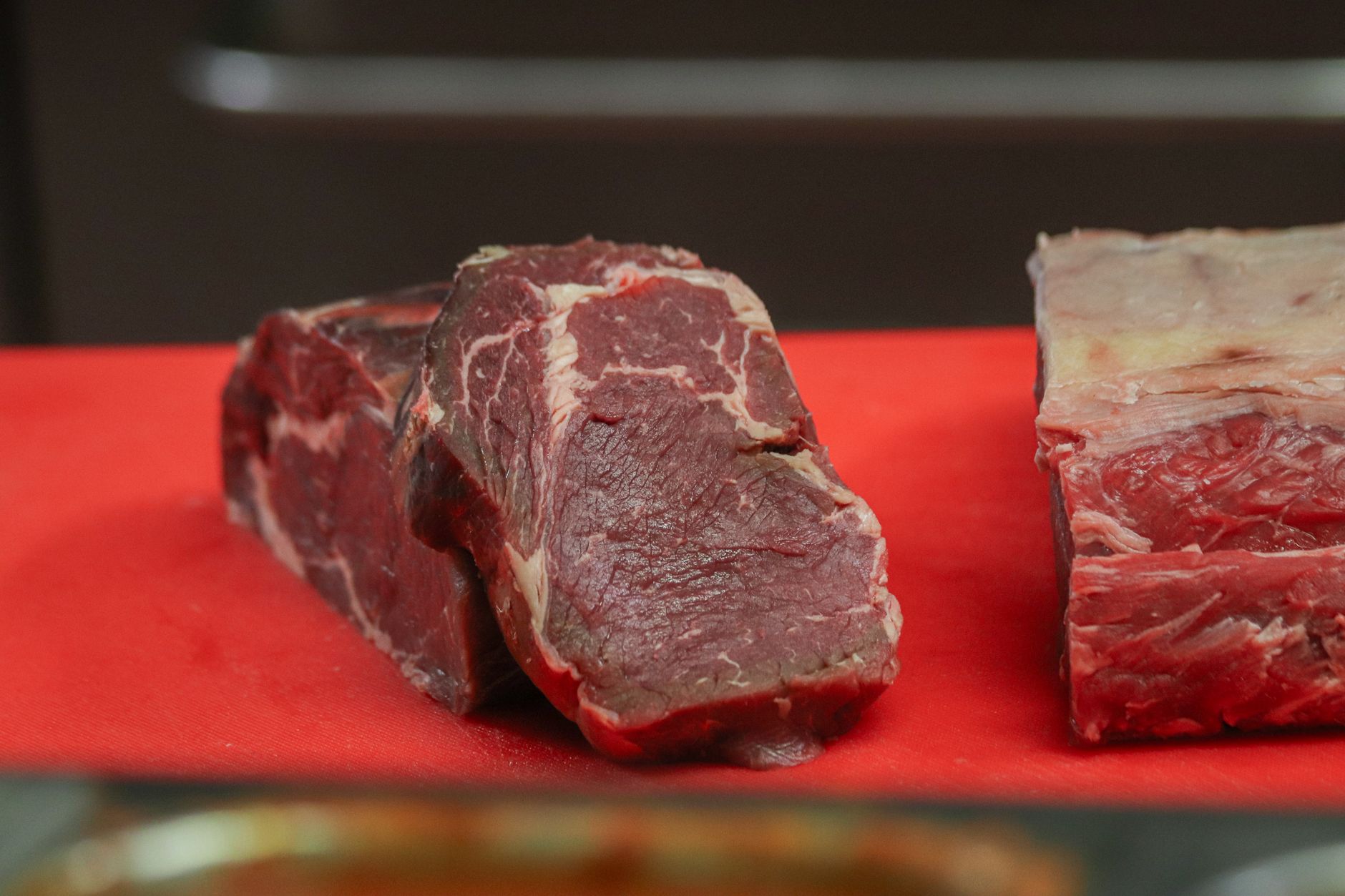
Blue steak, a term that denotes a steak cooked to a very rare level, is a delicacy that excites many adventurous eaters. Often characterized by its cool, red center, blue steak boasts intense beef flavor and tender texture, making it a favorite for those who appreciate high-quality cuts of meat. However, the question of its safety often arises among consumers and chefs alike.
Understanding the safety of blue steak involves considering several factors, including cooking temperatures, handling practices, and the quality of the meat. This article will explore whether blue steak is safe to eat, the recommended practices for preparation, and some essential tips for enjoying this unique culinary experience.
Is Blue Steak Safe to Eat?
Yes, blue steak can be safe to eat, but it depends on the quality and handling of the beef. Cooking beef to an internal temperature of 130°F (54°C) or lower keeps the exterior safe from bacteria while allowing the center to remain rare. However, it is crucial to use high-quality meat and observe proper food handling practices to minimize the risk of foodborne illness.
Understanding Food Safety Standards
The U.S. Department of Agriculture (USDA) provides guidelines for the safe cooking of meat. For beef steaks, the recommended minimum internal temperature is 145°F (63°C) for medium rare, followed by a resting period of three minutes. However, many chefs and enthusiasts opt for temperatures lower than this for blue steak.
Key Food Safety Considerations
- Quality of Meat: Always choose high-quality, fresh beef sourced from reputable suppliers. A cut from a grass-fed, free-range, or organic source may carry a lower risk of contamination.
- Less Handling: Minimize contact with the meat prior to cooking. The more a piece of meat is handled, the higher the chances of cross-contamination with bacteria from hands or surfaces.
- Storage: Store beef properly at temperatures below 40°F (4°C). Fresh beef should also be cooked within a few days of purchase to ensure safety.
- Hygiene: Maintain strict hygiene in the kitchen. Wash hands, utensils, and cutting boards thoroughly after handling raw meat.
Cooking Techniques for Blue Steak
The method of cooking blue steak—often pan-searing or grilling—plays a vital role in achieving the desired doneness while ensuring safety. Here are some recommended techniques:
Pan-Searing Blue Steak
- Start with a high-quality steak, such as a filet mignon or ribeye, ideally at room temperature.
- Heat a cast-iron skillet over medium-high heat. Add a small amount of oil to prevent sticking.
- Once the oil shimmers, carefully place the steak in the skillet. Avoid overcrowding the pan.
- Cook for about 1-2 minutes on one side without moving it. This helps develop a nice crust.
- Flip the steak and cook for an additional 1-2 minutes.
- Use an instant-read thermometer to check the internal temperature, aiming for around 120-130°F (49-54°C) for a blue steak.
- Remove from the heat and let it rest for a few minutes before slicing.
Grilling Blue Steak
- Preheat the grill to high heat, ensuring the grates are clean and well-oiled.
- Season the steak generously with salt and pepper for flavor.
- Place the steak on the hot grill and cook for about 1-2 minutes per side.
- Check the internal temperature, aiming for 120-130°F (49-54°C).
- Once done, let it rest before cutting to retain juices.
Ideal Cuts for Blue Steak
Choosing the right cut of beef is essential for preparing blue steak. Here are some popular cuts that work well:
- Filet Mignon: Known for its tenderness, it offers a buttery texture perfect for blue steak.
- Ribeye: Rich in marbling and flavor, ribeye provides a juicy experience.
- New York Strip: A balance of tenderness and flavor; it cooks well at lower temperatures.
- T-Bone: A combination of tenderloin and strip, this cut is flavorful and ideal for steak lovers.
Flavor and Pairing Tips
Blue steak, with its rich beef flavor, pairs beautifully with various accompaniments. Consider the following:
- Sauces: Béarnaise, chimichurri, or a simple compound butter can enhance the steak’s natural flavor.
- Vegetables: Roasted or grilled vegetables like asparagus, potatoes, or Brussels sprouts complement the dish.
- Wine: Bold wines, such as Cabernet Sauvignon or Malbec, harmonize well with steak.
Common Mistakes When Cooking Blue Steak
Cooking blue steak requires precision, and certain missteps can affect both taste and safety. Here are some common mistakes to avoid:
- Not Using a Thermometer: Relying solely on appearance can lead to undercooked or overcooked meat. An instant-read thermometer is essential.
- Overcooking the Steak: Cooking the steak beyond blue can result in a loss of tenderness and flavor, so keep a close eye on cooking time.
- Skipping the Resting Period: Resting the meat allows juices to redistribute, enhancing flavor and juiciness.
Health Considerations
Eating raw or undercooked meat carries inherent risks, particularly for vulnerable populations, such as small children, pregnant women, and individuals with compromised immune systems. Always consult with a health professional if you’re unsure about the safety of consuming rare meats.
Make-Ahead and Storage Tips
When preparing blue steak, proper planning can result in a smoother cooking experience. Here are some make-ahead and storage tips:
- Preparation: Season the steak in advance, allowing it to marinate and develop flavors.
- Storage: Store any leftover cooked steak in an airtight container in the refrigerator for up to 3 days. Always reheat to an internal temperature of 165°F (74°C) before consuming.
Culinary Creativity with Blue Steak
Blue steak can be used in various dishes, opening the door to culinary creativity:
- Steak Salad: Slice the blue steak thinly and serve it over a bed of mixed greens with a vinaigrette dressing.
- Steak Tacos: Shred or slice the steak and serve in corn tortillas with fresh toppings like avocado and salsa.
- Steak with Eggs: Pair blue steak with a fried egg for a satisfying breakfast option.
Final Thoughts
Blue steak can be a flavorful and enjoyable meal when prepared with care. Understanding food safety practices is crucial to ensuring a safe dining experience. Remember to choose quality cuts, adhere to proper cooking techniques, and maintain kitchen hygiene to mitigate risks.
Discover the unique flavor experiences that come with trying blue steak. Explore more about cuts like flat iron steak or enhance your dishes with a tasty steak seasoning recipe. Elevate your culinary skills, and enjoy experimenting in the kitchen!