
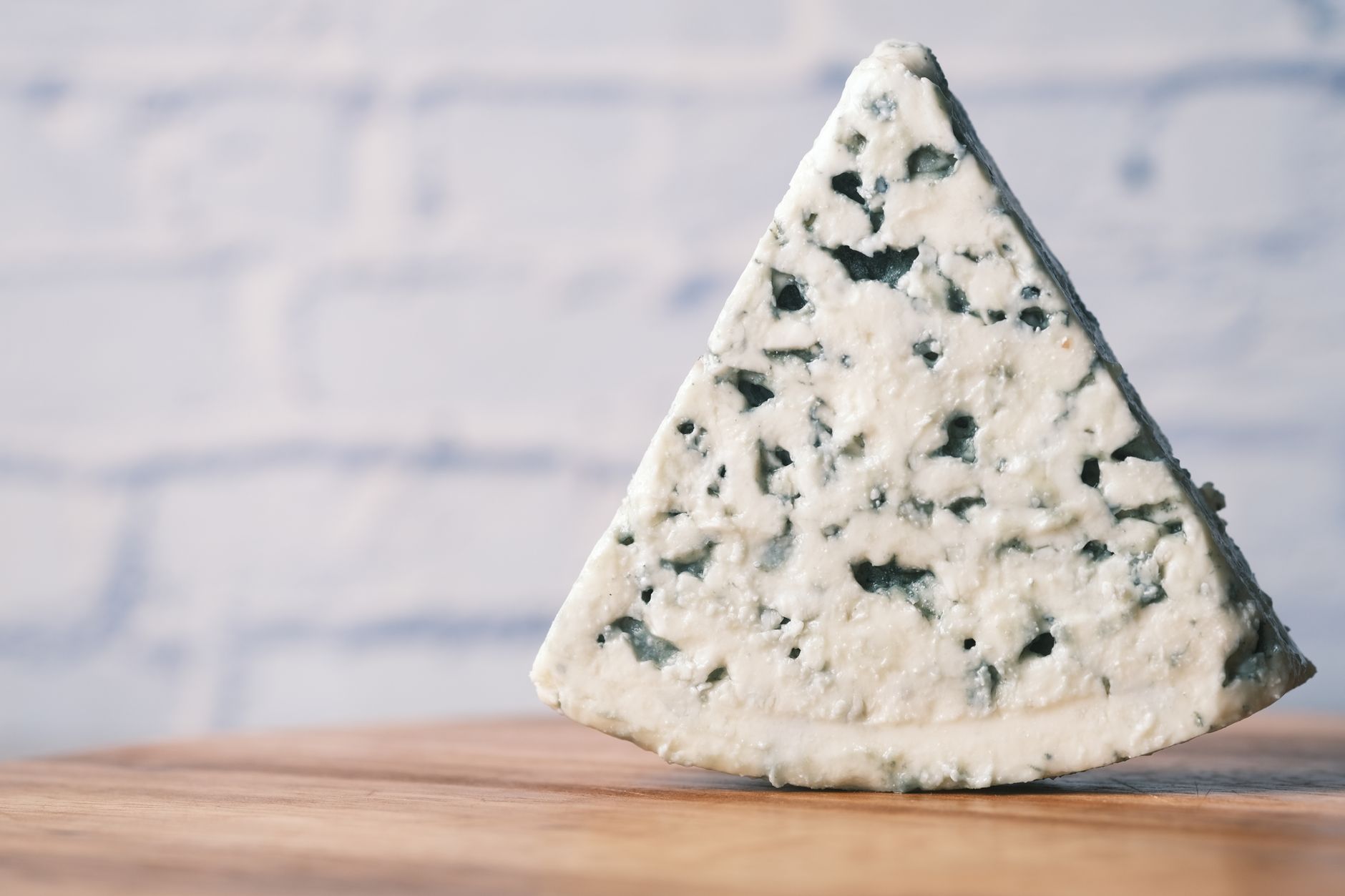
Blue cheese is a distinct and flavorful cheese, recognized for its rich taste and unique blue-green veins. Many people wonder whether blue cheese is moldy, and the answer is both simple and complex. While blue cheese does contain mold, it is specifically cultivated and aged to enhance its flavor, not a sign of spoilage.
This article will delve into the world of blue cheese, exploring its characteristics, health benefits, culinary uses, and how to best enjoy it. By the end, you will have a comprehensive understanding of this iconic cheese and be well-equipped to incorporate it into your cooking and entertaining.
Is Blue Cheese Moldy?
Yes, blue cheese is moldy in the sense that it contains specific types of mold cultivated during its production. The characteristic blue or green veins in blue cheese are formed by the mold Penicillium roqueforti or Penicillium glaucum, both of which are safe for human consumption. These molds give the cheese its signature flavors and crumbly texture.
The History of Blue Cheese
Blue cheese has a long and fascinating history that dates back centuries. Its origins can be traced to ancient civilizations in Europe. Cheese makers developed the aging process that allowed molds to flourish naturally, imparting unique flavors that set blue cheese apart from other cheeses.
Different varieties of blue cheese exist globally, with each region boasting its unique flavor profile and characteristics. Some well-known types include Roquefort from France, Gorgonzola from Italy, and Stilton from England. Each variety reflects its local terroir and production methods, making blue cheese a diverse and versatile ingredient.
The Science Behind Blue Cheese
The process of making blue cheese involves several key steps, each contributing to the final product’s unique texture and flavor. Understanding these processes can help you appreciate blue cheese more deeply.
Milk and Culturing
- The cheese is typically made from cow’s, sheep’s, or goat’s milk.
- After pasteurization, the milk is inoculated with specific bacteria to start the fermentation process.
- Rennet is added to help curdle the milk, separating it into curds and whey.
Adding Mold
- The signature molds, Penicillium roqueforti or Penicillium glaucum, are added to the curds.
- The mold spores penetrate the cheese as it ages, developing the blue-green marbling.
- Proper ventilation helps the mold flourish while allowing the cheese to mature appropriately.
Aging
- Blue cheese is typically aged in a cool, humid environment that encourages mold growth.
- Aging can last from a few weeks to several months, depending on the desired flavor and texture.
- During this time, the flavor intensifies, earning blue cheese its distinctive tangy taste.
Flavor and Texture Profile
Blue cheese’s most notable characteristics are its bold flavor and creamy texture. The molds contribute to its sharp, tangy taste, becoming more pronounced with aging. Younger blue cheeses tend to have a milder flavor, while aged varieties may present a sharper, more pungent profile.
In terms of texture, blue cheese can range from crumbly to creamy. The level of moisture and aging duration will determine the consistency. Some blue cheeses have a more luscious mouthfeel, while others offer a drier, crumbly texture that can evoke a delightful contrast in dishes.
Health Benefits of Blue Cheese
Beyond its flavor and culinary uses, blue cheese can impart several health benefits when consumed in moderation. It contains important nutrients such as calcium, phosphorus, and vitamin B12, which are essential for maintaining healthy bones, teeth, and metabolism.
Here are some key health benefits of blue cheese:
- Rich in Nutrients: As a dairy product, blue cheese is a good source of calcium, which is important for bone health.
- Probiotic Properties: The molds and bacteria used in the fermentation process can offer probiotic benefits, which aid in digestion.
- Antioxidant Effects: Some studies suggest that certain molds in blue cheese may exhibit antioxidant properties, potentially providing health benefits.
Culinary Uses of Blue Cheese
Blue cheese is a versatile ingredient that can elevate a variety of dishes, from appetizers to desserts. Here are some ways to incorporate blue cheese into your meals:
Salads
Blue cheese adds a distinct flavor to salads. Crumble it over mixed greens, spinach, or even fruit salads for an added depth of taste. It pairs exceptionally well with sweet dressings, such as honey vinaigrette or balsamic glaze.
Combining with Fruits and Nuts
The rich flavor of blue cheese complements the sweetness of fruits and the crunch of nuts beautifully. Try it with pears, apples, or figs, topped with walnuts or pecans, for a delicious snack or appetizer.
Cheese Boards
Cured meats, olives, and crackers make excellent companions for blue cheese on a cheese board. Balance its sharpness with milder cheeses and a variety of textures and flavors for an impressive presentation.
Soups and Sauces
Add blue cheese to creamy soups to create a rich and savory flavor. It can also be used to make cheese sauces for pasta or drizzled over roasted vegetables.
Desserts
For a surprising twist, blue cheese can be used in desserts. Pairing it with chocolate or honey can create a delightful contrast that leaves a lasting impression.
Pairing Blue Cheese with Wine and Beer
Finding the right beverage to complement blue cheese is essential for enhancing its flavors. Here are some pairing suggestions:
Wine Pairings
- Pear and Blue Cheese Salad: Pair it with a crisp Sauvignon Blanc for a refreshing balance.
- Gorgonzola: Try it with a sweet dessert wine or Port to contrast its savory notes.
- Stilton: This cheese pairs wonderfully with full-bodied reds like Cabernet Sauvignon.
Beer Pairings
- IPA: The bitterness of an IPA can cut through the richness of blue cheese.
- Brown Ale: Its malty sweetness complements the pungent characteristics of blue cheese.
- Stout: The chocolate and coffee notes in stout can create a harmonious balance with rich blue cheeses.
How to Store Blue Cheese
To maintain the quality and flavor of blue cheese, proper storage is crucial. Here are some storage tips:
- Keep blue cheese wrapped in its original packaging or in wax paper to allow it to breathe without drying out.
- Place it in an airtight container to prevent it from absorbing unwanted odors from the refrigerator.
- Store blue cheese in the vegetable crisper of the refrigerator, where the temperature is often more stable.
Common Mistakes and Troubleshooting
When working with blue cheese, certain mistakes can compromise its flavor. Here are some common pitfalls and how to avoid them:
- Buying Pre-Crumbled Blue Cheese: This option tends to be drier and less flavorful than a whole wedge. Purchase a wedge and crumble it yourself for optimal freshness.
- Storing Improperly: Make sure to keep blue cheese wrapped securely to prevent it from drying out or absorbing refrigerator odors.
- Overcooking: When adding blue cheese to hot dishes, add it at the end of the cooking process to maintain its flavors and texture.
Exploring Blue Cheese Varieties
Each variety of blue cheese has its distinct characteristics. Here’s a closer look at some popular types:
Roquefort
Originating from France, Roquefort is made from sheep’s milk and aged in limestone caves, giving it a creamy texture and a tangy flavor. Its bold taste pairs well with sweet wines and fruit.
Gorgonzola
This Italian blue cheese can be creamy (Gorgonzola dolce) or crumbly and sharp (Gorgonzola piccante). It suits pasta dishes, salads, and can also be enjoyed with fruits and honey.
Stilton
English Stilton has a crumbly texture and creamy mouthfeel, with its strong aroma and flavor becoming more pronounced with aging. It pairs excellently with dessert wines and port.
Point Reyes Blue
An American blue cheese that is less pungent than traditional European varieties, Point Reyes Blue has a creamy texture and mild flavor. It works well in salads and with charcuterie boards.
Using Blue Cheese in Everyday Cooking
Blue cheese can be integrated into everyday cooking easily. Here are some practical ways to incorporate it:
Blue Cheese Dressing
- Combine 1 cup of sour cream with ½ cup of blue cheese, ¼ cup of buttermilk, and a tablespoon of vinegar.
- Add garlic powder, salt, and pepper to taste, and mix well.
- Serve over salads or as a dip for vegetables.
Stuffed Chicken Breasts
- Flatten chicken breasts and season with salt and pepper.
- Spread blue cheese and spinach mixture inside each breast and roll tightly.
- Secure with toothpicks, sear in a pan, then finish in the oven until cooked through.
Blue Cheese Mashed Potatoes
- Boil potatoes until fork-tender, then drain.
- Mash with butter and cream, adding crumbled blue cheese until creamy and smooth.
- Season with salt and garnish with chives.
Conclusion
Blue cheese is a unique and multifaceted ingredient that can enhance a wide range of dishes. Understanding the science behind its production, exploring its various types, and learning how to use and store it can elevate your culinary experience. Embrace the rich flavors of blue cheese and experiment with its pairing possibilities in your kitchen.
To dive deeper into more culinary adventures, check out related recipes and guides to expand your cooking repertoire.