
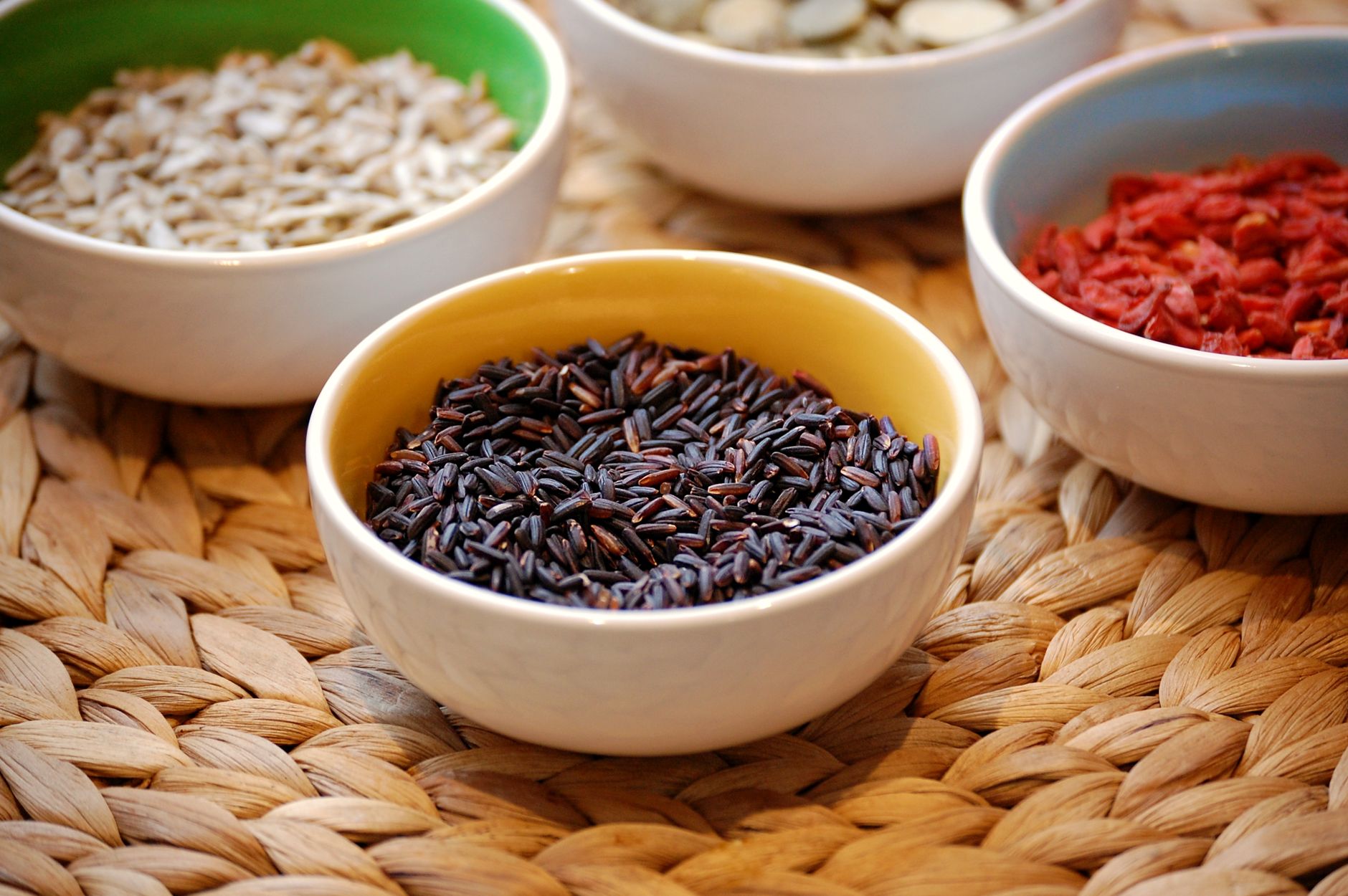
Black rice, also known as forbidden rice, has become increasingly popular due to its unique flavor, striking color, and nutritional properties. As more people adopt gluten-free diets, a common question arises: is black rice gluten free? In short, yes, black rice is gluten free, making it a suitable choice for those with gluten intolerance or celiac disease.
This article explores the properties of black rice, its culinary uses, nutritional benefits, and important allergy notes, helping you to easily incorporate it into your meals.
Is Black Rice Gluten Free?
Yes, black rice is entirely gluten free. It is a whole grain that belongs to the rice family (Oryza sativa), which means it does not contain gluten, a protein found in wheat, barley, and rye. This makes black rice a suitable alternative for people with gluten-related disorders.
What is Black Rice?
Black rice, often referred to as forbidden rice, has a deep black to purple hue when cooked. It is considered a whole grain, meaning it retains its bran, germ, and endosperm, which provides higher nutritional value compared to white rice. Black rice has a slightly nutty flavor and chewy texture, making it versatile for various dishes.
Nutritional Benefits of Black Rice
Black rice offers numerous health benefits, which include:
- High in Antioxidants: The dark color of black rice comes from anthocyanins, powerful antioxidants that can help fight inflammation and reduce the risk of chronic diseases.
- Rich in Fiber: Black rice is a great source of dietary fiber, which aids digestion and promotes a healthy gut.
- Vitamins and Minerals: Black rice is rich in essential nutrients, such as iron, vitamin E, and various B vitamins, contributing to overall health.
- Low Glycemic Index: Black rice has a lower glycemic index than white rice, making it a better choice for blood sugar control.
Culinary Uses of Black Rice
Black rice can be used in a variety of dishes, ranging from savory to sweet. Here are some popular ways to include black rice in your meals:
- Salads: Add cooked black rice to salads for a nutrient boost and a pop of color. It pairs well with roasted vegetables, fruits, and nuts.
- Sushi: Use black rice in sushi rolls to create a unique and visually appealing dish.
- Casseroles: Substitute black rice for white rice in casseroles, adding depth of flavor and texture.
- Puddings and Desserts: Black rice can be cooked with coconut milk and sweeteners to make delicious puddings or desserts.
How to Cook Black Rice
Cooking black rice is simple, but it does require a little more time compared to white rice. Here’s a step-by-step guide:
Ingredients
- 1 cup black rice
- 2 cups water or broth
- Optional: salt to taste
Essential Equipment
- Medium saucepan with a lid
- Measuring cups
- Stirring spoon
Cooking Method
- Rinse the black rice under cold running water to remove any debris or excess starch.
- In a medium saucepan, combine the rinsed black rice, water or broth, and salt (if using).
- Bring the mixture to a boil over medium-high heat.
- Once boiling, reduce the heat to low, cover the saucepan, and let it simmer for 30-40 minutes, or until the rice is tender and the water is absorbed.
- Remove the saucepan from heat and let it sit for 10 minutes, covered. This resting period allows the rice to finish cooking.
- Fluff the rice with a fork and serve as desired.
Common Mistakes When Cooking Black Rice
Here are a few common pitfalls to avoid when cooking black rice:
- Not Rinsing: Failing to rinse the rice can lead to excess starch, making the rice sticky instead of fluffy.
- Insufficient Cooking Time: Black rice takes longer to cook than white rice, so ensure you give it enough time to become tender.
- Improper Water Ratio: The water-to-rice ratio is crucial. Stick to the recommended 2:1 ratio for best results.
Ingredient Substitutions
If you can’t find black rice, consider the following alternatives:
- Brown Rice: While brown rice does not have the same color, it has a similar texture and flavor, though cooking time may vary.
- Wild Rice: This option has a nuttier flavor and longer cooking time but can provide a similar visual appeal.
- Forbidden Rice Pasta: For a gluten-free alternative in pasta dishes, you can find pasta made from black rice.
Allergy Notes
While black rice itself is gluten free, it is essential to consider the following when preparing and consuming it:
- Cross-Contamination: Always ensure that black rice is prepared in a gluten-free environment to avoid cross-contamination, especially if you have celiac disease.
- Read Labels: If purchasing pre-packaged black rice products or blends, verify labels to ensure they are certified gluten free.
Health Considerations
While black rice is widely regarded as a healthy choice, it is wise to consider the following:
- Caloric Density: Black rice contains more calories than white rice due to its higher fiber and nutrient content. Moderation is key if you are monitoring calorie intake.
- Balanced Diet: Incorporate black rice as part of a balanced diet, combining it with various vegetables, proteins, and healthy fats for optimal nutrition.
Storing Black Rice
To ensure its longevity, store black rice in a cool, dry place, preferably in an airtight container. It can last for up to a year or more when stored properly. Cooked black rice can be refrigerated for up to 4-6 days and should be reheated thoroughly before consumption. When freezing, place cooked rice in a single layer on a baking sheet to cool, then transfer it to a freezer-safe container for up to six months.
Recipe Ideas Using Black Rice
To inspire your culinary creativity, here are a few recipe ideas that feature black rice:
- Black Rice Salad: Combine cooked black rice with fresh vegetables, herbs, lemon juice, and olive oil for a refreshing salad.
- Black Rice Sushi: Use black rice as a base for sushi rolls filled with vegetables or seafood, creating a striking presentation.
- Coconut Black Rice Pudding: Simmer cooked black rice with coconut milk, sweeteners, and spices for a delightful dessert.
Global Uses of Black Rice
Black rice is a staple in various cultures around the world. For example:
- Asian Cuisine: In China, black rice is often used in desserts and traditional dishes, providing nutritional value.
- South American Dishes: In some regions, black rice can be found in traditional Peruvian dishes, served with meats or vegetables.
- Caribbean Flavors: Caribbean cuisine sometimes incorporates black rice in salads or as a side dish, enhancing the overall meal.
Conclusion
In summary, black rice is not only gluten free but also packed with nutritional benefits and versatility for culinary use. Its unique flavor, rich color, and texture make it a compelling addition to a variety of dishes. As diets shift towards gluten-free options, black rice stands out as a nutritious choice without compromising flavor.
For more delicious options, consider exploring other recipes and articles on gluten-free ingredients, such as is basmati rice gluten free and a gluten-free gnocchi recipe.