
When delving into dietary restrictions or fasting protocols, the term “clear liquid” often arises, prompting questions regarding what beverages qualify under this category. A common query is whether black coffee falls into the clear liquid category. This article will explore this and provide insight into the characteristics of clear liquids, the nuances of black coffee, and their implications for dietary planning.
The term “clear liquid” generally refers to any liquid that is transparent and free from visible particles or pulp. Common examples include water, broth, and certain fruit juices. To determine if black coffee fits this description, we will examine its properties and how it compares with other clear liquids.
Is Black Coffee Considered a Clear Liquid?
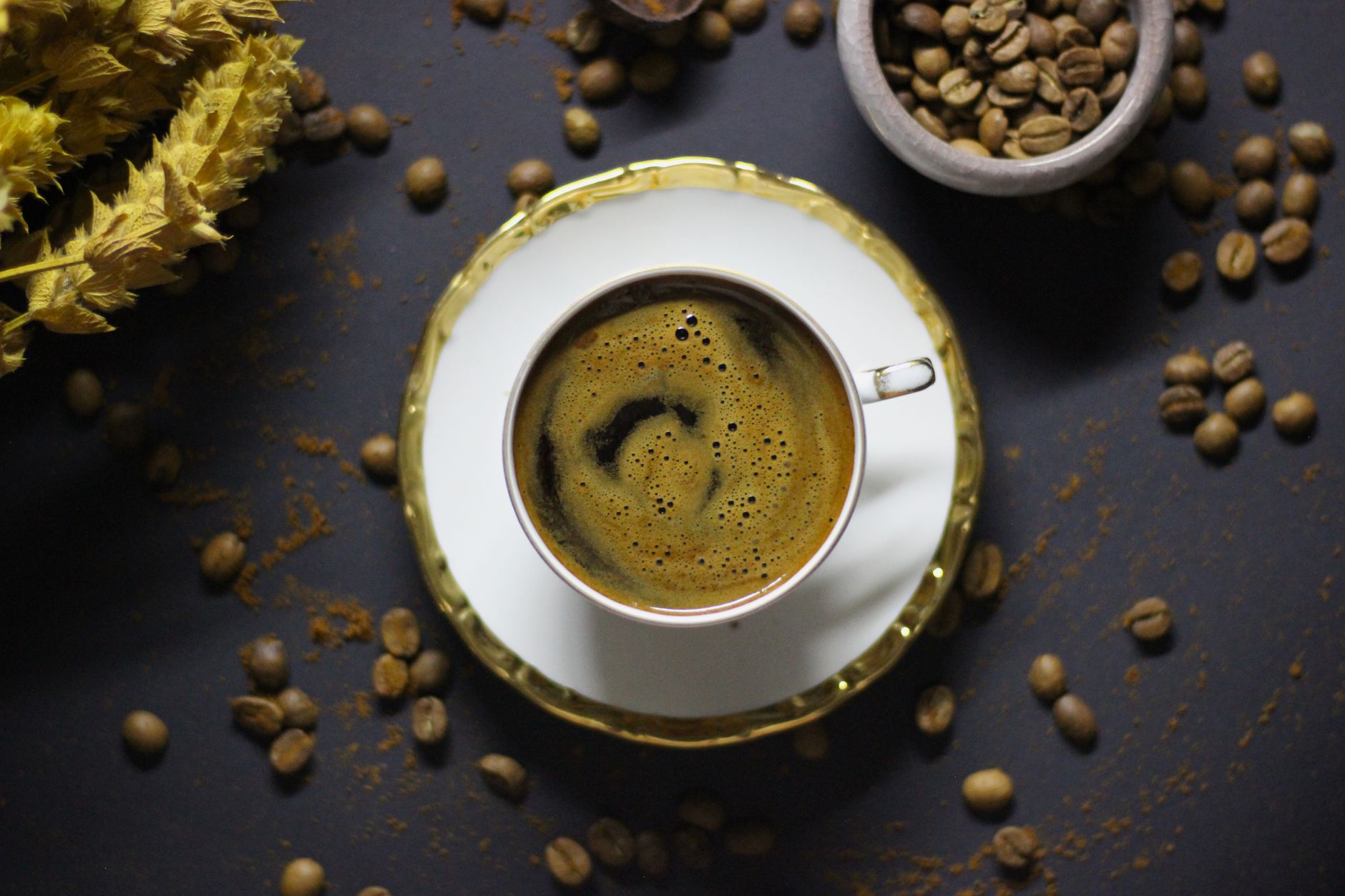
Yes, black coffee is considered a clear liquid. It is brewed purely from coffee grounds and water, without any added creamers or milk that might cloud the liquid. Black coffee is transparent and contains no solid particles, making it fit the criteria for clear liquids in various dietary guidelines.
Understanding Clear Liquids
Before diving deeper into coffee, it is crucial to understand what constitutes a clear liquid. Generally, clear liquids are used for specific medical diets, particularly before surgery, certain medical tests, or when recovering from gastrointestinal surgeries. The primary goal of a clear liquid diet is to keep the patient hydrated while allowing the digestive system to rest.
Clear liquids include:
- Water
- Broth or bouillon
- Fruit juices without pulp (such as apple juice)
- Tea or coffee without cream or additives
- Gelatin
- Clear sports drinks
Characteristics of Black Coffee
Black coffee, in its simplest form, is made by brewing ground coffee beans with hot water. Its properties include:
- Color: It is dark brown to black, depending on the roast of the coffee beans.
- Texture: When brewed correctly, it has a thin texture, free of notable particles.
- Taste: Black coffee can range from bitter to sweet, depending on the coffee’s origin, roast level, and brewing method.
- Composition: It is primarily composed of water and soluble compounds extracted from coffee grounds, including caffeine, oils, and flavor compounds, none of which cloud the liquid.
Dietary Considerations for Clear Liquids
Understanding dietary needs is vital when considering beverages. Clear liquids, including black coffee, are often recommended in various scenarios:
- Pre-surgery: Many medical professionals recommend clear liquids to minimize the risk of aspiration during surgery.
- Medical Tests: Procedures like colonoscopies require a clear liquid diet beforehand to ensure the digestive tract is clean.
- Digestive Issues: For patients experiencing nausea, vomiting, or diarrhea, clear liquids can help maintain hydration.
Common Myths About Clear Liquids and Black Coffee
Despite clear definitions, misconceptions about clear liquids persist, especially involving coffee:
- Myth: All coffee must be consumed black.
Fact: While black coffee is a clear liquid, coffee can also be consumed with additives. However, these alter its classification. - Myth: Clear liquids provide no nutrition.
Fact: While clear liquids are primarily hydrating, beverages like broth have nutritional value, and black coffee provides antioxidants. - Myth: Clear liquid diets are suitable for long-term nutrition.
Fact: Clear liquid diets are short-term solutions and should not replace balanced meals.
Practical Uses for Black Coffee as a Clear Liquid
While black coffee is categorized as a clear liquid, its consumption may vary based on individual preferences and health needs. Here are some practical scenarios where black coffee can be utilized:
During Fasting
Many individuals consuming intermittent fasting protocols consider black coffee a useful beverage. Its low-calorie count and ability to suppress appetite make it a popular choice when looking for something other than water or herbal tea.
Pre-Surgery or Medical Procedures
Patients often find black coffee comforting before undergoing surgery or certain medical procedures, provided guidance from healthcare professionals allows its consumption.
As Part of a Morning Routine
For many people, black coffee is a staple morning beverage that can help in enhancing focus, improving mood, and serving as an energy booster.
How to Make Black Coffee
Making a quality cup of black coffee is straightforward, and it’s important to pay attention to details for the best results. Here’s a step-by-step guide:
Ingredients:
- 1 tablespoon of coffee grounds (medium to coarse grind)
- 6 ounces of filtered water
Essential Equipment:
- Coffee maker, French press, or pour-over kettle
- Measuring spoon
- Water kettle (if not using a coffee maker)
- Coffee cup
Method:
- Boil water to just before boiling point (approximately 200°F).
- Measure one tablespoon of coffee grounds for every six ounces of water.
- If using a French press, add coffee grounds and pour hot water over them. Stir gently and let steep for 4 minutes before pressing down the filter.
- If using a drip coffee maker, place coffee grounds in the filter and pour hot water into the reservoir according to the machine’s instructions. Brew as directed.
- Pour brewed coffee into a cup and enjoy hot or let it cool for iced coffee.
Alternatives and Variations
If you’re looking to switch things up from traditional black coffee, consider these alternatives:
- Espresso: A stronger, concentrated form of coffee that is also a clear liquid.
- Cold Brew: Brewed using cold water for an extended period, yielding a smooth, less acidic flavor.
- Black Iced Coffee: Brewed coffee cooled and served over ice. A refreshing option for warmer weather.
Common Mistakes When Brewing Black Coffee
Even in a simple process, mistakes can lead to disappointing results. Here are some common pitfalls and how to avoid them:
- Using stale coffee grounds: Freshness is key. Always check the roast date and store coffee beans in an airtight container.
- Incorrect water temperature: Water that is too hot can scald the coffee, resulting in a bitter taste. Aim for around 200°F.
- Over or under-brewing: Stick to recommended brewing times for your method to avoid bitterness or weak coffee.
Storage and Reheating Black Coffee
Proper storage of black coffee is essential to preserving its flavor. Here are some tips:
- Cooling: Allow brewed coffee to cool to room temperature before storing.
- Refrigeration: Store coffee in an airtight container in the refrigerator for up to 3 days.
- Reheating: Reheat coffee in the microwave or on the stovetop, but avoid boiling, as it may alter the taste.
Conclusion
Black coffee is indeed considered a clear liquid, making it suitable for certain dietary guidelines, especially during fasting or pre-surgical protocols. With its rich flavor and numerous variations, it remains a popular choice for many. Use the brewing tips and storage advice to enjoy your black coffee any time.
For more engaging recipes and tips on brewing techniques, check out our Iced Americano Recipe and Coffee Syrup Recipe. Explore these links for delicious ways to enjoy coffee in your daily routine!