
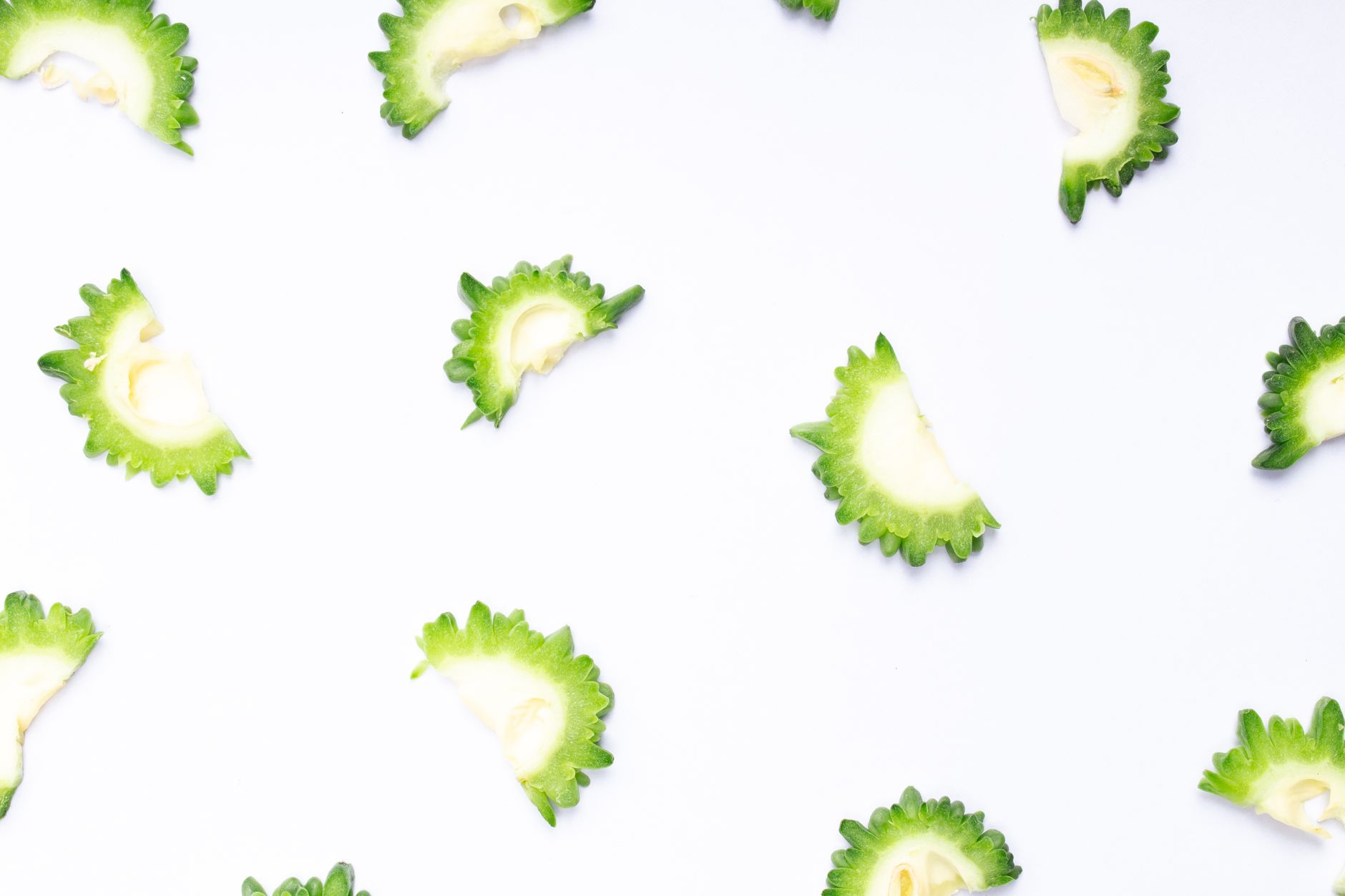
Bitter melon, also known as bitter gourd or Momordica charantia, is a uniquely flavorful vegetable commonly used in Asian cuisines. Its distinct bitter taste raises the question: is this vegetable beneficial for diabetics? This article explores bitter melon’s properties, nutritional benefits, and culinary applications, providing a comprehensive guide for incorporating it into a diabetic-friendly diet.
Beyond its culinary use, bitter melon has garnered attention for its potential health benefits, particularly regarding blood sugar regulation. Understanding how to prepare and enjoy this vegetable can help those managing diabetes add variety to their meals while also supporting their health goals.
Is Bitter Melon Good for Diabetics?
Bitter melon may be beneficial for diabetics due to its ability to lower blood sugar levels. It contains compounds that mimic insulin and may increase glucose uptake in cells. However, it should be consumed in moderation, and it’s important to consult with a healthcare provider before making significant dietary changes.
The Nutritional Profile of Bitter Melon
Bitter melon is low in calories and carbohydrates, making it a suitable choice for those monitoring their intake. Here’s a breakdown of its key nutritional components:
- Calories: Approximately 17 per 100 grams
- Carbohydrates: About 3.7 grams
- Fiber: Roughly 2.8 grams
- Vitamins: High in vitamin C, which supports the immune system, and contains vitamins A and B
- Minerals: Rich in potassium, iron, and magnesium
Health Benefits of Bitter Melon for Diabetics
While scientific research is ongoing, various studies suggest that bitter melon may have several merits for diabetics:
- Blood Sugar Control: Bitter melon contains charantin, a compound that reportedly enhances glucose uptake. This may contribute to lowering blood sugar levels.
- Anti-Inflammatory Effects: The antioxidant properties of bitter melon can support overall health and may reduce inflammation associated with diabetes.
- Weight Management: Low in calories and high in fiber, bitter melon can aid in satiety, potentially supporting weight loss efforts, which is crucial for diabetes management.
How to Select and Store Bitter Melon
Choosing the right bitter melon and storing it properly is essential to maintaining its freshness and flavor.
Selecting Bitter Melon
When selecting bitter melon, look for:
- Firmness: The fruit should feel firm to the touch without any soft spots.
- Color: A bright green color is a good sign; avoid those that have yellowing or browning spots.
- Size: Smaller fruits are typically more tender and less bitter than larger ones.
Storing Bitter Melon
To store bitter melon:
- Keep it refrigerated in a perforated plastic bag for up to a week.
- For longer storage, consider freezing diced bitter melon. Blanch briefly before freezing to preserve texture and flavor.
Preparing Bitter Melon
Preparing bitter melon well can enhance its taste and reduce its bitterness, making it more palatable. Here’s how to prepare it:
- Wash: Rinse the bitter melon under running water to remove any dirt.
- Cutting: Slice the bitter melon in half lengthwise, and then scoop out the seeds with a spoon.
- Salting (optional): To reduce bitterness, you can sprinkle salt inside the sliced melon and let it sit for about 30 minutes. Rinse and dry before cooking.
Cooking Techniques for Bitter Melon
Bitter melon can be cooked using various methods: stir-frying, steaming, or adding it to soups and curries. Here are some common techniques to enhance its flavor:
Stir-Frying
This method is quick and allows for flavor absorption from seasonings:
- Heat a tablespoon of oil in a skillet over medium-high heat.
- Add sliced onions and cook until translucent.
- Include chopped bitter melon and stir-fry for about 5-8 minutes until tender.
- Add soy sauce or spices to taste.
Steaming
Steaming retains bitterness while softening the texture, making it a great addition to salads:
- Place sliced bitter melon in a steamer basket.
- Steam for about 5-7 minutes until tender but still bright green.
- Serve as a side dish or toss into salads.
Soups and Curries
Bitter melon adds depth to soups and curries:
- In a pot, sauté aromatics like garlic, ginger, and onions.
- Add water or broth and bring to a boil.
- Incorporate sliced bitter melon along with other vegetables and proteins.
- Simmer until all ingredients are cooked through.
Flavor Pairings for Bitter Melon
When cooking with bitter melon, certain flavors successfully mitigate its bitterness or enhance its overall taste. Here are some great pairings:
- Savory Ingredients: Soy sauce, garlic, ginger, and onions work well in balancing the bitter flavor.
- Sweet Components: Adding natural sweeteners like honey or sweet vegetables such as carrots can help tone down bitterness.
- Spices: Strong spices like cumin, coriander, and turmeric also complement the bitter notes and create rich flavors.
Recipes Featuring Bitter Melon
Incorporating bitter melon into your diet can be exciting. Here are a couple of simple recipes to try:
Stir-Fried Bitter Melon with Eggs
This dish combines the bitterness of the melon with the richness of eggs, creating a balanced meal.
- Yield: 2 servings
- Preparation Time: 10 minutes
- Cooking Time: 10 minutes
- Total Time: 20 minutes
Ingredients
- 1 medium bitter melon, sliced
- 2 eggs, beaten
- 1 tablespoon oil
- 1 onion, sliced
- Salt and pepper to taste
Instructions
- Heat oil in a skillet over medium heat. Add onions and cook until translucent.
- Add sliced bitter melon and sauté for about 5 minutes.
- Pour in the beaten eggs and stir until cooked through. Season with salt and pepper. Serve immediately.
Bitter Melon Soup
This comforting soup is simple yet nourishing.
- Yield: 3 servings
- Preparation Time: 15 minutes
- Cooking Time: 30 minutes
- Total Time: 45 minutes
Ingredients
- 1 medium bitter melon, sliced
- 4 cups chicken or vegetable broth
- 1 carrot, chopped
- 1 onion, chopped
- 2 garlic cloves, minced
- Salt and pepper to taste
Instructions
- In a pot, heat a little oil and sauté onion and garlic until fragrant.
- Add broth, carrots, and bitter melon. Bring to a boil.
- Reduce heat and simmer for 30 minutes. Season with salt and pepper before serving.
Common Mistakes and Troubleshooting Tips
Here are some common mistakes to avoid and tips for troubleshooting:
- Overcooking: Bitter melon can become extremely soft if overcooked. Aim for tender-crisp texture.
- Ignoring Bitterness: If you find the bitterness overwhelming, consider soaking sliced melon in salt water or using sweet ingredients to balance it.
- Compounding Flavors: When combining bitter melon with other ingredients, ensure the flavors complement one another to avoid clashing.
Potential Side Effects and Precautions
While bitter melon can be a healthy addition to a diabetic diet, it’s important to exercise caution:
- Bitter melon may lower blood sugar levels, which could be risky for those on diabetes medication.
- Consulting with a healthcare provider before consuming bitter melon regularly is advisable, especially for those with existing health conditions.
Conclusion
Bitter melon can be a valuable part of a balanced diet for diabetics, offering potential benefits for blood sugar management. By learning to prepare and cook with this unique vegetable, you can enrich your meals with essential nutrients while exploring new flavors. Whether preparing stir-fries, soups, or incorporating it as a side dish, the culinary applications of bitter melon are diverse.
Consider trying the suggested recipes or exploring your own creativity in the kitchen with this exciting ingredient. For a refreshing and nutritious change, you might also enjoy creating a delicious chia pudding recipe with coconut milk or discover the various benefits of chia seeds.