
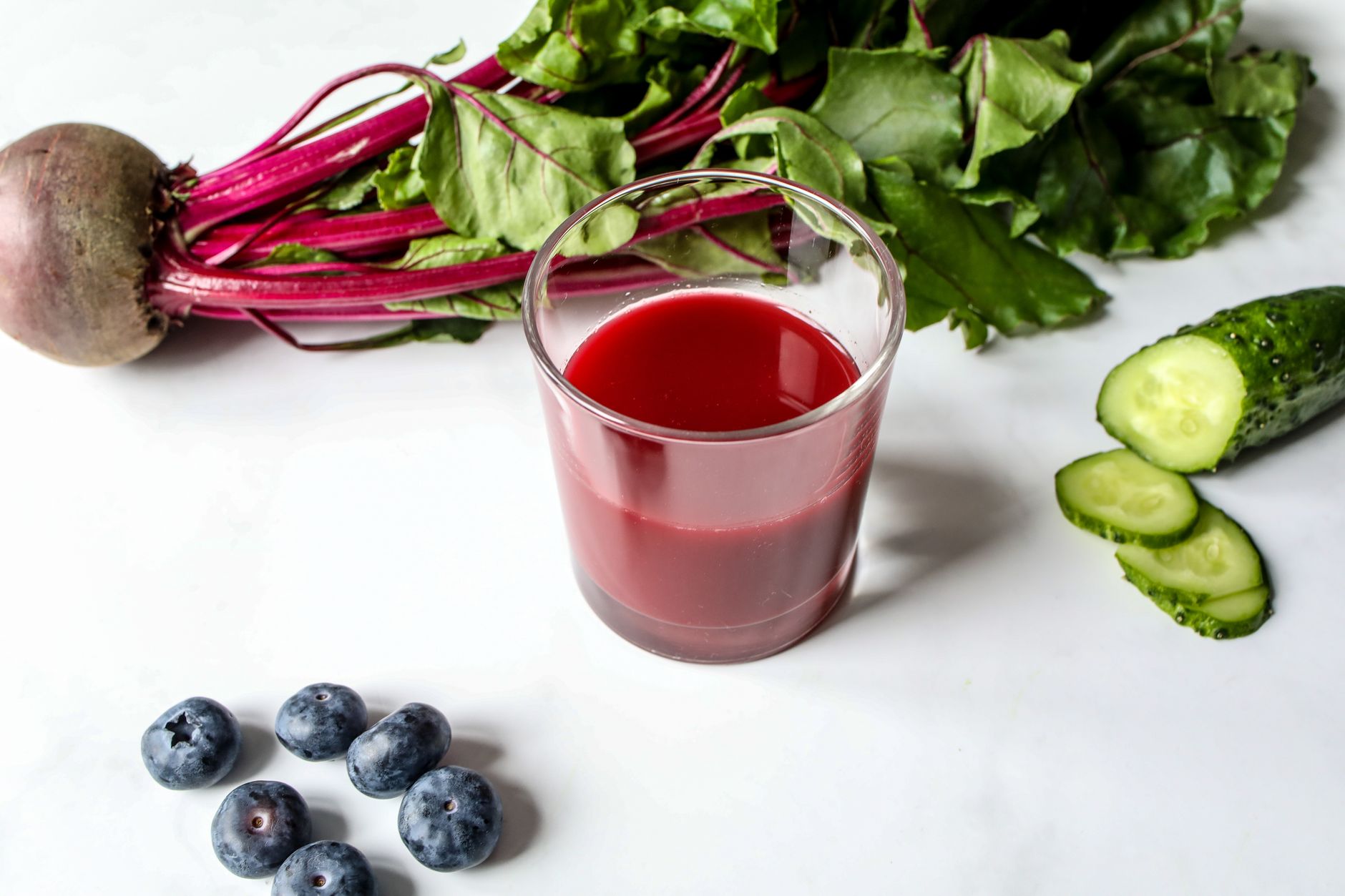
Beet juice has garnered attention in recent years for its potential health benefits, especially concerning kidney health. As kidney function is crucial for filtering and eliminating waste from the body, understanding the role of beet juice in supporting this vital organ is essential. This article will explore whether beet juice is beneficial for your kidneys, how to incorporate it into your diet, and the appropriate portion sizes.
While beet juice may not be a cure-all, it offers nutrients that can help support kidney wellness. It’s essential to consider serving sizes, dietary recommendations, and a well-rounded eating plan while evaluating its effects. Let’s delve into the details of beet juice and its role in kidney health.
Is Beet Juice Good for Your Kidneys?
Yes, beet juice can be beneficial for your kidneys due to its richness in antioxidants, vitamins, and minerals, particularly nitrates and betalains. These compounds may aid in reducing oxidative stress and inflammation in kidney tissue. However, moderation is key, as high oxalate levels found in beets may lead to kidney stones in susceptible individuals.
The Nutritional Profile of Beet Juice
Beet juice is packed with essential nutrients. Here’s a breakdown of what makes it a popular health choice:
- Nitrates: These can improve blood flow and lower blood pressure, which is beneficial for overall kidney health.
- Betalains: These antioxidants reduce inflammation and oxidative damage to cells.
- Vitamins and Minerals: Beet juice contains vitamin C, potassium, and magnesium, all of which support kidney function.
- Fiber: While beet juice itself is low in fiber, whole beets provide dietary fiber, which is essential for digestive health.
How Beet Juice Affects Kidney Health
The kidneys are responsible for filtering blood and removing waste products from the body. Beet juice can influence kidney health in several key ways:
1. Anti-inflammatory Properties
The betalains in beet juice possess strong anti-inflammatory properties that may help reduce the inflammation associated with kidney disease. Chronic inflammation can lead to more severe kidney problems, making it critical to include anti-inflammatory foods in your diet.
2. Improved Blood Flow
Nitrates in beet juice can improve endothelial function and increase blood flow. This is particularly relevant for people with compromised kidney function, as maintaining good circulation is vital for kidney health.
3. Blood Pressure Regulation
High blood pressure is a significant risk factor for kidney disease. Beet juice has been shown to lower blood pressure due to its high nitrate content, which could help protect your kidneys over time.
Recommended Portions and How to Incorporate Beet Juice Into Your Diet
While beet juice can be beneficial, it’s essential to consume it in moderation due to its oxalate content, which can contribute to kidney stone formation in susceptible individuals. Here are some recommendations for incorporating beet juice into your diet:
Serving Sizes
A typical serving of beet juice is around 4 to 8 ounces. This amount is sufficient to provide health benefits without overwhelming your system. If you are new to beet juice, start with a smaller quantity and gradually increase your intake to assess how your body reacts.
Ways to Enjoy Beet Juice
Here are several methods to include beet juice in your daily diet:
- Fresh Juice: Use a juicer to make fresh beet juice, mixing it with other fruits and vegetables like carrots, apples, or ginger for added flavor and nutrients.
- Smoothies: Blend beet juice with yogurt or plant-based milk, spinach, and banana for a nutrient-packed smoothie.
- Soups: Include beet juice in soups, like borscht, for a vibrant color and earthy flavor.
- Salad Dressings: Whisk beet juice into vinaigrettes for a colorful twist to your salads.
- Marinades: Use beet juice as a base for marinades to enhance the flavor of meats and vegetables.
Common Mistakes When Consuming Beet Juice
To reap the benefits of beet juice while minimizing potential downsides, avoid these common mistakes:
- Consumed in Excess: Drinking large amounts of beet juice can lead to digestive issues or may contribute to an increased risk of kidney stones.
- Ignoring Medical Conditions: If you have a history of kidney stones or specific dietary restrictions, consult a healthcare professional before incorporating beet juice into your diet.
- Using Bottled Varieties: Commercially sold beet juices often contain added sugars and preservatives. Opt for fresh juices when possible.
Alternatives to Beet Juice for Kidney Health
If you’re looking for alternatives or complementary options to beet juice for supporting kidney health, consider these foods:
- Pomegranate Juice: Pomegranate is rich in antioxidants and has been shown to benefit kidney function. It also provides anti-inflammatory properties.
- Cranberry Juice: Known for preventing urinary tract infections, cranberry juice may also support kidney health by reducing the risk of kidney stones.
- Watermelon Juice: This hydrating fruit is low in potassium and can help promote overall kidney function.
- Chia Seeds: Though not a juice, these seeds are rich in omega-3 fatty acids and fiber, helping reduce inflammation.
Precautions When Consuming Beet Juice
While beet juice has health benefits, there are several precautions to keep in mind:
- Kidney Stones: Due to high oxalate levels, individuals prone to kidney stones should limit beet juice consumption.
- Gastrointestinal Issues: Some people may experience stomach upset or digestive discomfort when drinking beet juice. Start with small portions to gauge your tolerance.
- Medication Interactions: If you are taking certain medications, such as blood pressure or blood-thinning medications, consult with a healthcare provider to ensure safety.
Incorporating Beet Juice into a Balanced Diet
A balanced and varied diet is essential for maintaining kidney health. When including beet juice in your diet, consider the following tips:
- Hydrate: Drink plenty of water throughout the day. Staying hydrated supports kidney function and helps dilute the oxalates in the body.
- Focus on Whole Foods: Aim to consume a variety of fruits, vegetables, whole grains, and lean proteins to promote overall kidney health.
- Limit Processed Foods: Reduce the intake of high-sodium and processed foods, which can contribute to kidney stress.
- Regular Check-Ups: If you have existing kidney issues, regular check-ups with a healthcare professional are vital for monitoring kidney function.
Conclusion
In summary, beet juice can be a beneficial addition to your diet, particularly for supporting kidney health. Rich in antioxidants and nitrates, it may help reduce inflammation and improve blood flow. However, it’s essential to consume it in moderation due to its oxalate content, which can lead to kidney stones in susceptible individuals. Always consider individual health factors and dietary needs when incorporating new foods into your routine.
To explore more about kidney health and enrichment through diet, discover the benefits of pomegranate juice and check out how chia seeds can contribute to a balanced diet.