
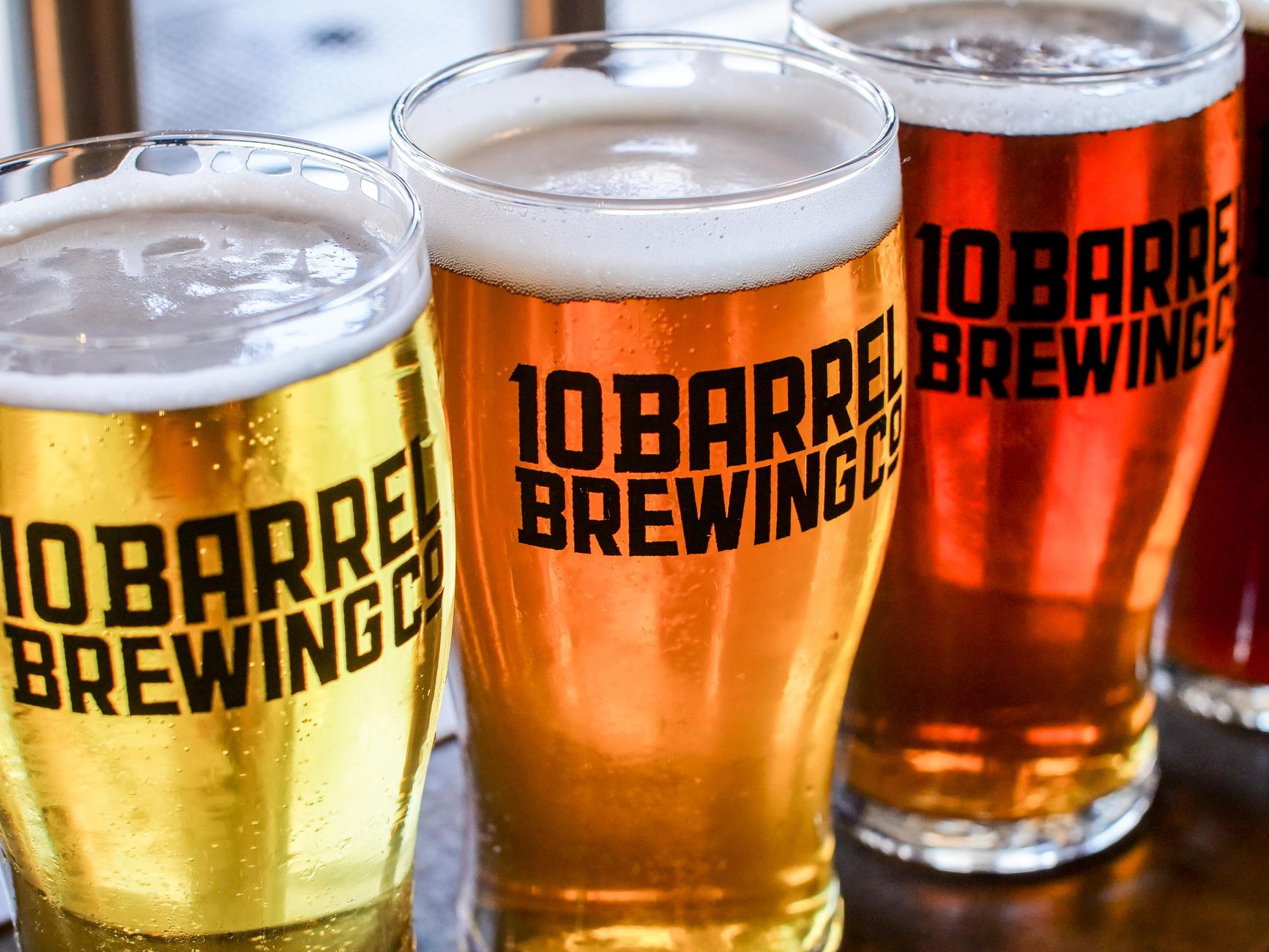
Understanding how beer might fit into the diet of someone with diabetes involves more than just preference. It’s essential to consider the nutritional content and how it could impact blood sugar levels. This article will address the relationship between beer and diabetes, exploring potential benefits, risks, types of beer, and practical tips for consumption.
Let’s dive into whether beer can be part of a balanced diet for diabetics and what key factors to keep in mind when making this decision.
Is Beer Good for Diabetics?
Beer can be consumed in moderation by some individuals with diabetes, but it requires careful monitoring of blood sugar levels. While beer does contain carbohydrates that can affect blood sugar, some research suggests potential benefits for cardiovascular health, which is particularly important for diabetics.
Understanding Diabetes and Blood Sugar
To assess how beer fits into a diabetic diet, it’s crucial to have a clear understanding of diabetes itself. Diabetes is a chronic condition where the body cannot effectively use insulin, the hormone responsible for converting glucose into energy. This results in elevated blood sugar levels, which need to be managed carefully.
Carbohydrate consumption, including sugars and starches, significantly affects blood sugar. While beer contains carbohydrates, its impact on blood sugar can vary based on various factors such as the type of beer, the amount consumed, and the individual’s overall dietary patterns.
Potential Benefits of Beer for Diabetics
Despite its carbohydrate content, moderate beer consumption may offer certain benefits for diabetes management and overall health. Here are some potential advantages:
- Heart Health: Moderate beer consumption has been associated with lower risks of heart disease. This is critical for diabetics, who are at a higher risk for cardiovascular complications.
- Reduced Risk of Diabetes: Some studies suggest that moderate alcohol consumption, including beer, may reduce the risk of developing type 2 diabetes.
- Social Interaction: Enjoying a beer in social settings may help improve quality of life and promote mental health, which sometimes can be overlooked in diabetes management.
The Risks of Beer for Diabetics
While there may be benefits, there are also significant risks involved in beer consumption for diabetics:
- Blood Sugar Spikes: Beer contains carbohydrates, which can lead to increased blood sugar levels if consumed in large amounts.
- Hypoglycemia: Alcohol can sometimes have a delayed effect, leading to a drop in blood sugar levels hours after consumption, especially if consumed on an empty stomach.
- Weight Management: Beer is calorie-dense; excess calorie intake can contribute to weight gain, complicating diabetes management.
Types of Beer and Their Impact on Diabetes
Not all beers are created equal. Here’s a look at different types of beer and how they may affect blood sugar levels:
Light Beers
Light beers generally contain fewer carbohydrates and calories than regular beers. This makes them a better option for diabetics looking to manage their carbohydrate intake. A typical light beer contains about 5 grams of carbohydrates per serving.
Regular Beers
Standard beers typically have a higher carbohydrate content, ranging from 10 to 15 grams per serving. Those managing diabetes may want to limit their intake of regular beers or choose light options instead.
Non-Alcoholic Beers
Non-alcoholic beers are a popular alternative for those wishing to avoid alcohol entirely. These usually contain fewer calories and carbohydrates, although it is essential to read labels for exact carbohydrate and sugar content.
Practical Tips for Enjoying Beer as a Diabetic
If you choose to incorporate beer into your diet, consider the following guidelines to help manage your blood sugar levels effectively:
- Monitor Carbohydrates: Always check the label for carbohydrate content and keep your portions in moderation.
- Choose the Right Time: Drink beer with or after a meal rather than on an empty stomach to minimize blood sugar spikes.
- Stay Hydrated: Drink water alongside beer to help dilute its effects on blood sugar.
- Log Your Intake: Keep a record of your beer consumption and its effects on blood sugar to understand how your body reacts.
- Consult a Healthcare Professional: Always speak with a healthcare provider or nutritionist if you have concerns regarding alcohol’s impact on your diabetes management.
The Role of Moderation
Moderation is key when it comes to beer consumption for those with diabetes. The American Diabetes Association suggests that moderation for men is up to two drinks per day and for women up to one drink per day. Here are some other important considerations:
- Serving Size Matters: Define what constitutes a drink. Generally, a standard drink in the U.S. is defined as 12 ounces of beer.
- Avoid Sugary Mixers: If mixing beverages, avoid sugary mixers or syrups that can elevate blood sugar levels.
- Eat Slowly: Enjoy your beer slowly, which may prevent rapid fluctuations in blood sugar and improve overall enjoyment of the beverage.
Common Mistakes When Consuming Beer
Even with the best intentions, there are common mistakes diabetics might make regarding beer consumption. Here are some to avoid:
- Ignoring Labels: Failing to check the label for carb content can lead to unexpected spikes in blood sugar. Always read the nutrition label.
- Overindulging: Thinking that light beers can be consumed in larger quantities can be misleading. Moderation is vital.
- Neglecting to Eat: Drinking beer on an empty stomach can lead to volatility in blood sugar levels. Always pair alcohol with food.
Beer and Blood Sugar Monitoring
For those with diabetes, monitoring blood sugar levels is a crucial part of management. Here are some tips on how beer might affect your readings:
- Test Blood Sugar Levels: Check your blood sugar before and after consuming beer to understand its impact on your body.
- Keep a Log: Document the types of beer consumed, serving size, and resulting blood sugar levels for future reference.
- Be Aware of Symptoms: Know the signs of hypoglycemia and hyperglycemia and be prepared to act accordingly.
Making Beer Choices
When it comes to choosing the right beer, those with diabetes should ideally look for options that align with their dietary goals. Here’s how to navigate your choices:
- Opt for Microbreweries: Consider local craft breweries that often provide detailed ingredient lists.
- Consider Gluten-Free Options: If you have an intolerance, opt for gluten-free beer made from alternate grains.
- Read Reviews: Online communities and reviews can help recommend low-carb or healthy beer options.
Making Beer Part of Your Life
Beer can be enjoyed responsibly alongside a diabetes-conscious lifestyle with proper understanding and moderation. Here are some steps to seamlessly integrate beer into your routine:
- Choose a suitable beer type, exploring lower carbohydrate options.
- Plan outdoor events or dinners where you can enjoy a beer without feeling excluded.
- Host casual gatherings and provide an array of beer options for guests, encouraging moderation.
This way, beer can be a less intimidating part of enjoying social experiences while managing health.
Conclusion
In summary, beer can be part of a balanced diet for some diabetics when taken in moderation and with careful blood sugar monitoring. It’s essential to choose lower-carbohydrate options, eat meals alongside beer, and remain cognizant of how your body responds to alcohol. Consult with healthcare professionals to ensure your choices align with your health goals.
For more informative recipes and cooking tips, explore our delicious beer can chicken recipe and our classic Wisconsin Old Fashioned recipe. Enjoy responsibly!