
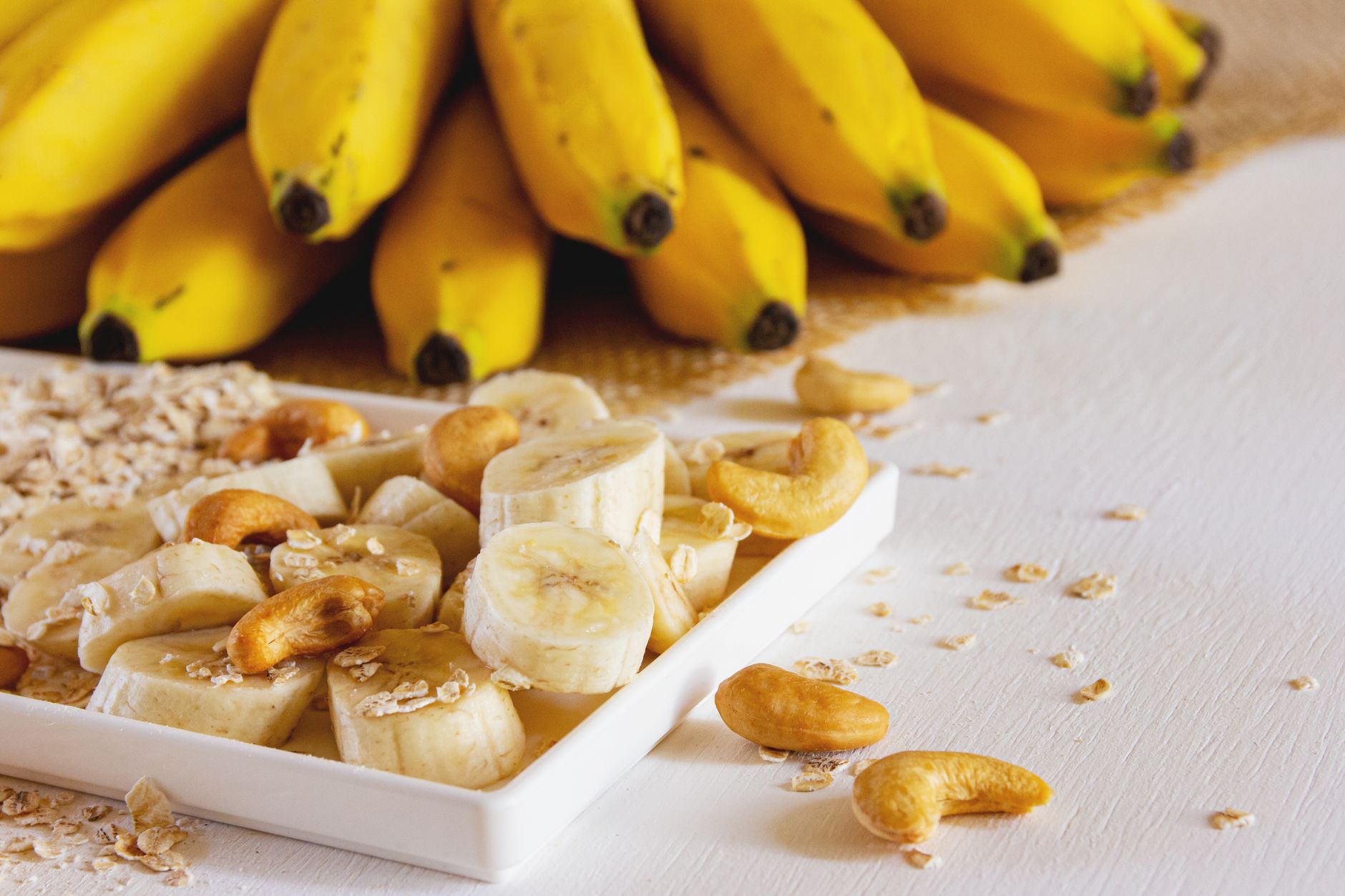
Bananas are one of the most popular fruits in the world and are often considered a convenient breakfast option. They are not only portable but also tasty and nutritious. Many people wonder if incorporating bananas into breakfast is a healthy choice and how to do so effectively.
This article explores the nutritional benefits of bananas, appropriate portion sizes, creative breakfast ideas featuring bananas, and practical considerations for including them in your morning meal.
Is Banana Good for Breakfast?
Yes, bananas are a nutritious and convenient option for breakfast. They are rich in essential nutrients, including potassium, fiber, and vitamin C, making them a great addition to various breakfast dishes or simply enjoyed on their own.
Nutritional Benefits of Bananas
Understanding the nutritional profile of bananas can help you appreciate why they are considered a beneficial choice for breakfast. Here’s a breakdown of their primary nutrients:
- Potassium: Bananas are particularly well-known for their high potassium content, which plays a crucial role in maintaining heart health and regulating blood pressure.
- Fiber: Each banana contains about 3 grams of dietary fiber, which aids in digestion and helps keep you feeling full.
- Vitamin C: This vitamin acts as an antioxidant, supporting the immune system and promoting healthy skin.
- Vitamin B6: Vital for brain health, vitamin B6 helps in mood regulation and gene expression.
- Natural Sugars: Bananas contain natural sugars like fructose, which provide a quick energy boost, making them a great option for busy mornings.
Nutritional Composition
Here is an approximate nutrient breakdown for one medium banana (about 118 grams):
| Nutrient | Amount per Serving |
|---|---|
| Calories | 105 |
| Carbohydrates | 27 grams |
| Protein | 1.3 grams |
| Fat | 0.3 grams |
| Fiber | 3.1 grams |
| Potassium | 422 mg |
| Vitamin C | 10% of the Daily Value |
| Vitamin B6 | 20% of the Daily Value |
Appropriate Portion Sizes
When it comes to incorporating bananas into your breakfast, portion sizes are essential. A medium banana is usually a good serving size for most people. However, dietary needs can vary, and here are some tips for adjusting portions based on your personal goals:
- For Weight Management: Stick to one medium banana or half of a larger banana.
- For Increased Energy Needs: Consider adding more bananas if you’re engaged in higher levels of physical activity or training.
- For Children: Smaller bananas are a great option for kids, while one medium banana can be suitable for older children or teenagers.
Creative Breakfast Ideas with Bananas
Bananas are versatile and can be incorporated into a variety of breakfast dishes. Here are some creative ideas for a banana-infused breakfast:
Banana Smoothie
A banana smoothie is a quick and nutritious breakfast option. Combine one medium banana with your choice of yogurt or a non-dairy alternative, some spinach for added nutrients, and a splash of milk or a milk substitute. Blend until smooth and enjoy!
Overnight Oats with Banana
Combine rolled oats, milk (or a milk substitute), and sliced bananas in a mason jar the night before. Add chia seeds and a drizzle of honey for sweetness. Let it sit in the refrigerator overnight for a quick and satisfying breakfast.
Peanut Butter Banana Toast
Spread natural peanut butter on whole-grain toast and top it with banana slices. This combination of protein, healthy fats, and carbohydrates keeps you full longer and gives you sustained energy.
Banana Pancakes
For a more indulgent breakfast, consider making banana pancakes. Mash one banana and mix it with pancake batter for a naturally sweet flavor. You can also make healthier pancakes using oats and banana as a base.
Banana Granola Bowl
Create a delicious granola bowl by layering Greek yogurt, sliced bananas, and granola. This dish combines protein, fiber, and healthy fats for a satisfying breakfast.
Banana Muffins
Baking banana muffins is an excellent way to use overripe bananas. They offer all the nutritional benefits of bananas while being easily portable for busy mornings.
Cooking Techniques for Using Bananas at Breakfast
When preparing meals with bananas, different cooking techniques can enhance their flavor and texture. Here are some methods to consider:
Mashing
Mashing bananas is an effective way to incorporate them into recipes such as pancakes or muffins. Bananas should be ripe to ensure they mash easily. Use a fork or potato masher to break them down into a smooth consistency.
Cooking
Cooking bananas can caramelize their natural sugars, enhancing flavor. You can pan-fry banana slices with a touch of butter for a sweet topping for oatmeal or pancakes.
Blending
Blending bananas into smoothies or shakes is easy and quick. Using a high-speed blender can create a creamy texture, perfect for breakfast on the go.
Freezing
If you have overripe bananas, freezing them is an excellent way to preserve their nutrients and have them ready for smoothies or baking. Peel, slice, and store in a freezer-safe container for up to six months.
Common Mistakes When Using Bananas for Breakfast
While bananas are a fantastic breakfast choice, there are some common pitfalls to avoid:
- Choosing Unripe Bananas: Unripe bananas can be hard and not as sweet, making them less appealing for breakfast dishes.
- Overripe Bananas Left Too Long: While overripe bananas are great for baking, if they start to brown or develop dark patches, they might negatively affect flavor.
- Neglecting Portion Control: While bananas are healthy, consuming too many can lead to excess calorie intake. Balance is key.
Storage Tips for Bananas
Proper storage of bananas can help prolong their freshness:
- Ripening: Store bananas at room temperature until they reach desired ripeness. You can separate them to slow the ripening process.
- Refrigeration: Once ripe, bananas can be placed in the refrigerator. Although the peel will brown, the fruit inside remains fresh.
- Freezing: For long-term storage, peel and slice bananas, place them in a freezer bag, and store them in the freezer.
Using Other Fruits
While bananas are a favorite breakfast choice, it can also be beneficial to incorporate other fruits. Here are some substitution ideas:
- Apples: Opt for apples for crunch and firmness, particularly in oatmeal or salads.
- Berries: Blueberries or strawberries can add a burst of flavor and antioxidants to your breakfast dishes.
- Peaches: Fresh or grilled peaches provide juicy sweetness that pairs well with yogurt or cereal.
Breakfast Combinations with Bananas
To enhance the overall nutrition of your breakfast, consider pairing bananas with other foods:
- Yogurt: Combining bananas with yogurt adds protein and probiotics for gut health.
- Nuts and Seeds: Pairing with almonds, walnuts, or chia seeds increases healthy fats and proteins.
- Whole Grains: Integrating bananas with whole-grain oats or toast provides additional fiber.
Dietary Considerations
When adding bananas to your breakfast, consider any specific dietary needs:
- Vegan: Bananas work well in vegan recipes and can act as a natural sweetener and binder.
- Gluten-Free: Bananas are naturally gluten-free and can be used in recipes such as gluten-free pancakes or muffins.
- Keto-Friendly: While bananas are higher in carbohydrates, they can be enjoyed in moderation as part of a balanced keto meal.
Final Thoughts
In conclusion, bananas are an excellent breakfast choice due to their numerous health benefits and versatility. By incorporating bananas into various breakfast dishes, you can create satisfying meals that fuel your day.
Consider trying the recipes mentioned above to discover how bananas can enhance your morning routine. Take advantage of their quick preparation and nutritional power, whether in smoothies, pancakes, or simple slices on toast.
For more information on bananas and their fiber content, check out how much fiber is in a banana. You can also learn about impressively delicious banana bread recipes to make the most of your overripe bananas!