
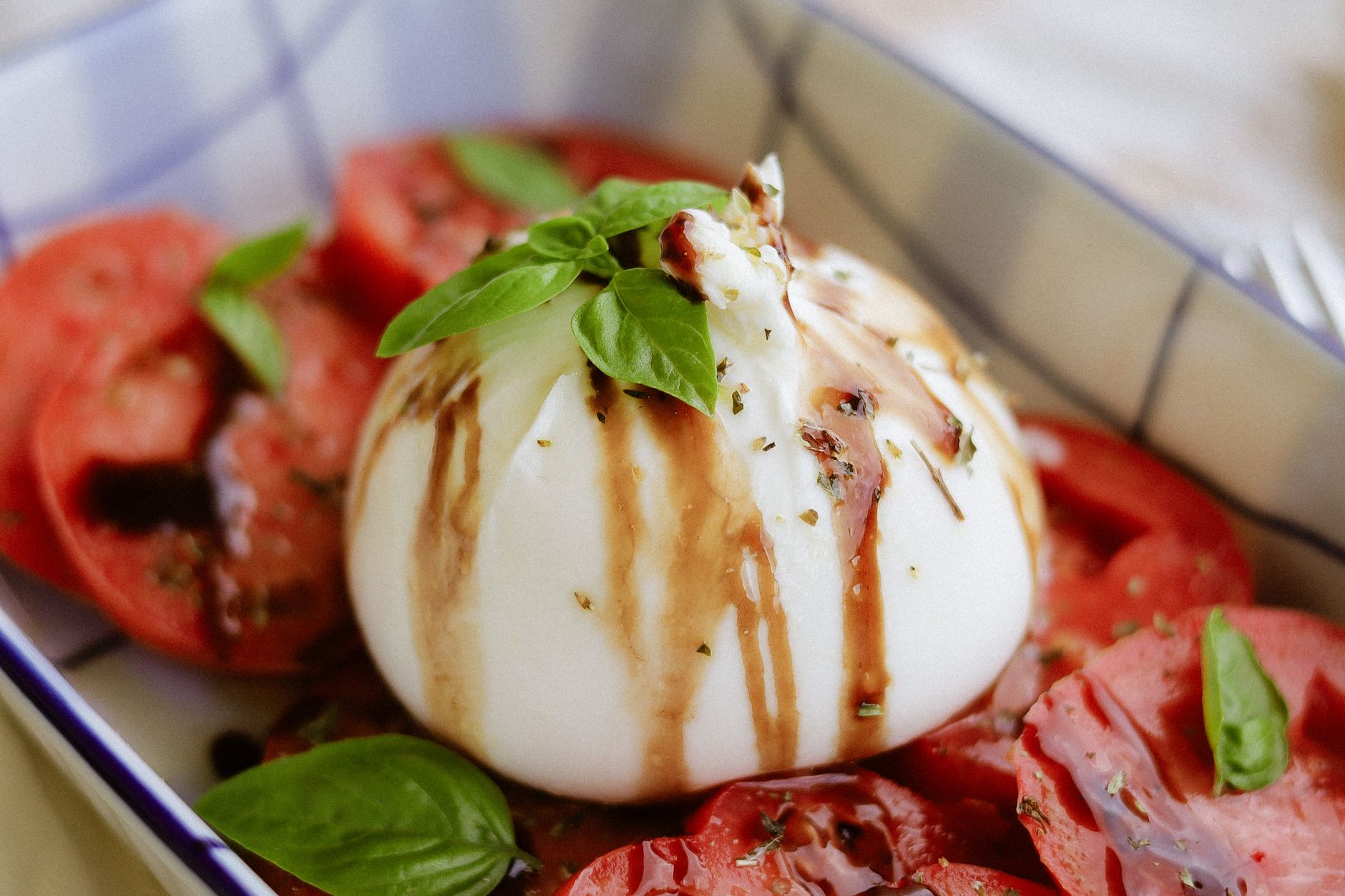
Balsamic glaze, a sweet, syrupy condiment made from balsamic vinegar and often reduced or thickened with sweeteners, has become a popular ingredient in various dishes. Its rich flavor profile, balancing sweetness and tanginess, elevates everything from salads to grilled meats. But how does it stack up health-wise? In this article, we’ll explore the nutritional components of balsamic glaze and highlight some potential health benefits and considerations.
Understanding whether balsamic glaze fits into a healthy diet requires examining its ingredients, nutritional value, and potential effects on health. This guide will help you determine if it can be a suitable addition to your meals.
Is Balsamic Glaze Healthy?
Yes, balsamic glaze can be considered healthy in moderation. It is low in calories, fat-free, and contains antioxidants. However, it is essential to be cautious about the sugar content, especially in commercially prepared products that may contain added sugars. As long as you use it judiciously, balsamic glaze can complement a nutritious diet.
What is Balsamic Glaze Made Of?
At its core, balsamic glaze consists of balsamic vinegar and sweeteners. Traditional balsamic vinegar is made from freshly pressed grape juice (must), which is cooked down and aged in wooden barrels, developing a complex flavor over time. Here’s a breakdown of the common ingredients:
- Balsamic Vinegar: The primary ingredient, providing acidity and a distinctive flavor.
- Sweeteners: Can include sugar, honey, or other sweeteners to balance the acidity.
- Thickening Agents: Sometimes, cornstarch or pectin is added to achieve a syrupy consistency.
Nutritional Profile of Balsamic Glaze
The nutrition of balsamic glaze can vary based on the specific recipe and brand, but generally, a tablespoon (15 ml) contains:
- Calories: Approximately 40-50
- Carbohydrates: 12-13 g
- Sugars: 10-12 g
- Protein: 0 g
- Fat: 0 g
Despite being calorie-dense because of the sugar, the serving size is generally small, making it easy to incorporate into a healthy eating plan.
Potential Health Benefits of Balsamic Glaze
In moderation, balsamic glaze can offer a range of health benefits:
1. Antioxidant Properties
Balsamic vinegar is rich in antioxidants due to the polyphenols derived from grapes. Antioxidants help combat oxidative stress in the body, reducing the risk of chronic diseases.
2. Low-Calorie Flavor Enhancer
Being relatively low in calories, balsamic glaze can add flavor to meals without a significant caloric burden. This makes it a useful addition for those looking to enhance the taste of their dishes while keeping calorie counts in check.
3. Potential Digestive Benefits
Some studies have suggested that vinegar consumption may aid digestion and improve gut health. It may enhance the absorption of certain nutrients and help maintain a healthy gut microbiome.
4. Blood Sugar Regulation
Research has indicated that vinegar can positively impact blood sugar levels. Incorporating balsamic glaze into meals might help stabilize blood sugar spikes, particularly when consumed with carbohydrates.
5. Heart Health
The polyphenols in balsamic vinegar are also linked to heart health. They may contribute to lower blood pressure and reduced cholesterol levels, making balsamic glaze a heart-healthy option when used wisely.
Considerations When Using Balsamic Glaze
While there are many benefits, there are some considerations to keep in mind:
1. Sugar Content
Many store-bought balsamic glazes contain added sugars. Always read the label to ensure that you’re aware of the sugar content and choose products with lower amounts or simple ingredients where possible.
2. Portion Control
Due to its sweet flavor, moderation is key. Using too much balsamic glaze can quickly add extra calories and sugar to your meal. A little goes a long way!
3. Allergies and Sensitivities
If you have sensitivities to certain ingredients (like gluten or specific sweeteners), double-check the label. Some glazes may have additives that could trigger allergies.
How to Use Balsamic Glaze in Cooking
Incorporating balsamic glaze into your cooking is simple and versatile. Here are some delicious ways to use it:
1. Salad Dressings
Combine balsamic glaze with olive oil, salt, and pepper for a quick and flavorful dressing. Drizzle it over mixed greens, grilled vegetables, or roasted chicken salads.
2. Marinades
Create a marinade for meats or tofu by mixing balsamic glaze with garlic, herbs, and a splash of soy sauce. Marinating enhances flavor and tenderness.
3. Drizzling on Steamed Vegetables
Add a drizzle of balsamic glaze over steamed vegetables like asparagus or Brussels sprouts for a delicious finish.
4. Finishing Touch on Grilled Meats
Brush balsamic glaze onto grilled chicken or pork in the last few minutes of cooking for a shiny, flavorful glaze. It caramelizes slightly, enhancing the taste.
5. Pizza and Flatbreads
Swap traditional pizza sauce for a light layer of balsamic glaze, then top with ingredients like goat cheese, arugula, and prosciutto for a gourmet twist.
Homemade Balsamic Glaze Recipe
If you want to control the ingredients and sugar content, making your own balsamic glaze is straightforward. Here’s a simple recipe:
Ingredients
- 1 cup balsamic vinegar
- 2 tablespoons honey or maple syrup (optional, for sweetness)
Instructions
- In a small saucepan, combine the balsamic vinegar and sweetener, if using.
- Heat over medium heat, bringing it to a gentle simmer.
- Reduce the heat to low and let it cook for about 10-15 minutes, stirring occasionally, until it thickens and coats the back of a spoon.
- Remove from heat and allow to cool. The glaze will thicken further upon cooling.
- Store in an airtight container in the refrigerator for up to a month.
Practical Tips for Using Balsamic Glaze
- Label Watch: Always read ingredient labels to avoid excess sugars and additives.
- Storage: Homemade balsamic glaze should be stored in a cool, dark place and can last up to a month in the fridge.
- Pairing: Experiment by pairing balsamic glaze with various foods. Its sweet and tangy flavor complements cheeses, fruits, and proteins particularly well.
- Thicker Glaze: If you prefer a thicker glaze, continue cooking the vinegar longer until it reaches the desired consistency, but be cautious to avoid burning.
Common Mistakes When Using Balsamic Glaze
Troubleshooting common issues can enhance your experience with balsamic glaze:
1. Too Sweet
If the glaze becomes overly sweet, try balancing it out with a splash of lemon juice or vinegar in your dish.
2. Burning
When cooking with glaze, reduce the heat during the final minutes of cooking to prevent burning. It can become bitter if overcooked.
3. Overuse
Less is more! Avoid dousing your meals in glaze. Start with a small amount and adjust according to taste.
Conclusion
Balsamic glaze can be a healthy addition to your meals when used mindfully. With its potential health benefits, rich flavor, and versatility, it can easily enhance your culinary creations. Whether you choose to buy it or make your own, be sure to incorporate it in moderation to enjoy all that it has to offer without overdoing the sugars.
For varied applications in the kitchen, consider exploring what to substitute for rosemary or learning about the benefits of chia seeds to diversify your ingredients and meal planning.