
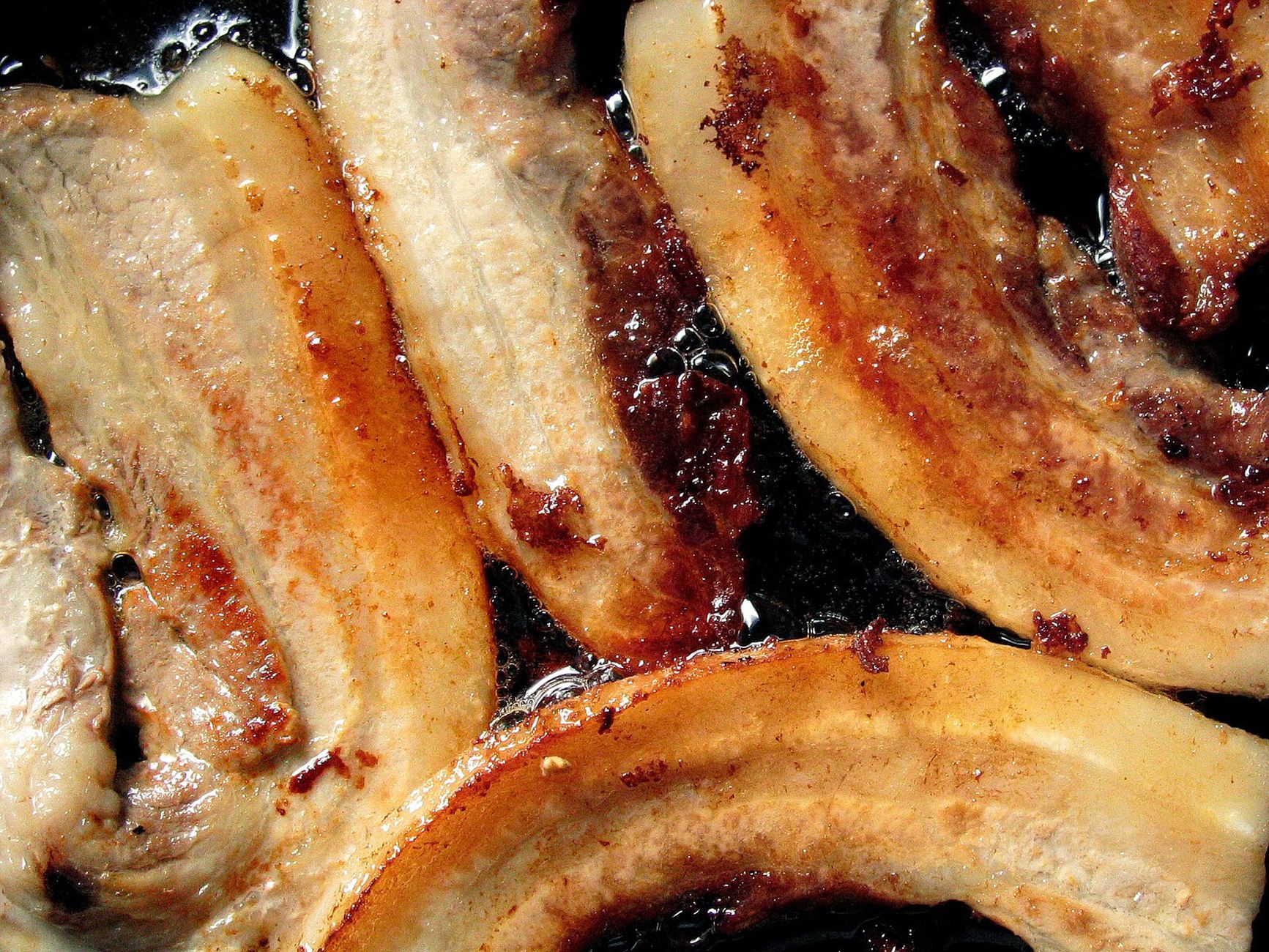
Bacon is a beloved food item that, for many, plays a central role in breakfast dishes and countless culinary creations. But is bacon truly pork? In this article, we will delve into the essence of bacon, what it is made from, its various types, how it’s typically prepared and served, and some delightful ways to incorporate it into your meals.
Understanding what bacon is can enhance your appreciation for this delicious food, whether you are cooking it for breakfast or using it as a flavor enhancer in various recipes. Let’s explore the many facets of bacon to clarify its connection to pork.
Is Bacon Pork?
Yes, bacon is indeed pork. It is typically made from the belly of the pig, although it can also come from other parts like the back or sides. The primary reason bacon is so popular is its rich flavor and crispy texture, which develops when it is cooked. The process of curing and smoking bacon enhances its taste, making it a sought-after ingredient in various cuisines.
The Anatomy of Bacon
Bacon originates from specific cuts of pork, predominantly known for their fattiness. Here are the common types of bacon:
- Streaky Bacon: This is the most popular type in the United States and is cut from the pork belly, characterized by its alternating layers of fat and meat.
- Back Bacon: Known as “Canadian bacon” in the U.S., this cut is leaner and taken from the loin, located along the back of the pig.
- Pancetta: This Italian pork product is cured bacon that comes from the belly but is usually unsmoked and adds a rich, delicate flavor to dishes.
- Tasmanian Bacon: A unique take, this variety is often made from free-range pigs and has a distinct flavor profile.
The Curing Process
The transformation from pork to bacon requires a curing process, which involves the application of salt, sugar, and sometimes nitrates or nitrites. These ingredients serve several purposes:
- Preservation: Curing meat helps prevent spoilage by inhibiting the growth of bacteria.
- Flavor: The curing mix infuses the pork with a distinctive taste that makes bacon addictive to many.
- Texture: The process also changes the texture of the meat, ensuring it becomes crisp when cooked.
Types of Cured Bacon
Bacon can be categorized based on the curing method, which impacts flavor and texture:
- Smoked Bacon: This bacon is exposed to smoke from burning wood or other sources, imparting a smoky flavor that many adore.
- Unsalted or Raw Bacon: Not treated with salt or smoke, this type is less common and usually requires careful handling.
- Honey-Cured Bacon: This variety incorporates honey as part of the curing mix, providing a sweet undertone.
How Is Bacon Cooked?
Cooking bacon can be accomplished through various methods, each offering distinct textures and flavors. Here are the most common techniques:
- Pan-Frying: This method involves cooking bacon in a skillet over medium heat, rendering the fat while making it crispy. It allows for easy monitoring of doneness.
- Baking: Cooking bacon in the oven provides even heat distribution, yielding perfectly flat, crispy strips without splatter. It also allows for cooking larger batches simultaneously.
- Grilling: Giving bacon a nice char on the grill imparts a unique flavor. Ensure not to overly char the bacon to keep it tender.
- Microwaving: This quick method can be convenient, but results may vary in terms of crispness.
Flavor Profiles and Pairings
Bacon’s savory, salty, and umami flavors make it a versatile ingredient that pairs remarkably well with various foods. Here are some pairings to consider:
- Eggs: Whether scrambled, fried, or poached, bacon and eggs is a classic combination.
- Cheese: Cheddar, blue cheese, or even feta can complement the saltiness of bacon.
- Fruits: Sweet fruits like figs, pears, and apples create a delightful contrast to bacon’s salty taste.
- Vegetables: Incorporating bacon into dishes with leafy greens or roasted vegetables adds depth to their flavors.
Serving Ideas for Bacon
The versatility of bacon makes it suitable for various meals throughout the day. Here are some creative serving ideas:
Breakfast
- Serve crispy bacon strips alongside fluffy pancakes and maple syrup.
- Add chopped bacon to a veggie omelet for a hearty morning boost.
- Integrate bacon into breakfast burritos with eggs and avocado.
Lunch
- Craft a classic BLT by layering crispy bacon, lettuce, and tomatoes on toasted bread.
- Create a Cobb salad topped with crumbled bacon, grilled chicken, and blue cheese.
- Mix bacon pieces into mac and cheese for added indulgence.
Dinner
- Wrap chicken breasts in bacon for a juicy, savory entrée.
- Incorporate bacon into pasta dishes, such as carbonara or as a topping for alfredo.
- Use bacon as a flavor enhancer in stews and soups.
Snacks
- Create bacon-wrapped dates for a sweet and salty treat.
- Caramelize bacon with brown sugar for candied bacon to serve as an appetizer or dessert topping.
- Fry or bake bacon crisps for a crunchy, savory snack.
Common Mistakes When Cooking Bacon
Cooking bacon might seem straightforward, but several pitfalls can affect the outcome:
- Cooking at Too High a Heat: This generally leads to burnt bacon with uneven texture. Always start at medium heat.
- Overcrowding the Pan: Cooking too much bacon at once can steam the meat instead of frying it. Avoid overcrowding for best results.
- Not Draining the Fat: Ignoring the rendered fat can lead to greasy bacon. Always drain excess fat after cooking to improve texture.
Storage and Reheating
Proper storage and reheating can maintain bacon’s crispiness and flavor:
Storage
- Cooked bacon can be stored in an airtight container in the refrigerator for up to 5 days.
- For longer storage, bacon can be frozen. Wrap cooked bacon in plastic wrap and then in foil for up to 3 months.
- Uncooked bacon should also be kept in the refrigerator and used by the expiry date indicated on the packaging.
Reheating
- Reheat bacon in the microwave for about 20-30 seconds, covering it with a paper towel to prevent splatter.
- For extra crispiness, reheat bacon in a skillet over low heat, flipping as needed.
- Alternatively, place bacon in the oven at 350°F (175°C) for about 10 minutes.
Conclusion: Bacon as a Culinary Staple
Bacon is undeniably a pork product that enhances a wide array of dishes, lending its rich flavor and savory crunch to everything from breakfast staples to gourmet creations. Whether you prefer it crispy in the morning or integrated into a savory dinner dish, understanding bacon and its culinary uses can elevate your cooking and dining experiences.
To dive deeper into delicious bacon recipes, consider trying your hand at some caramelized goodness with candied bacon, or serve a hearty baked pork chop alongside your next bacon dish for a satisfying meal. There’s always something new to explore in the world of bacon!