
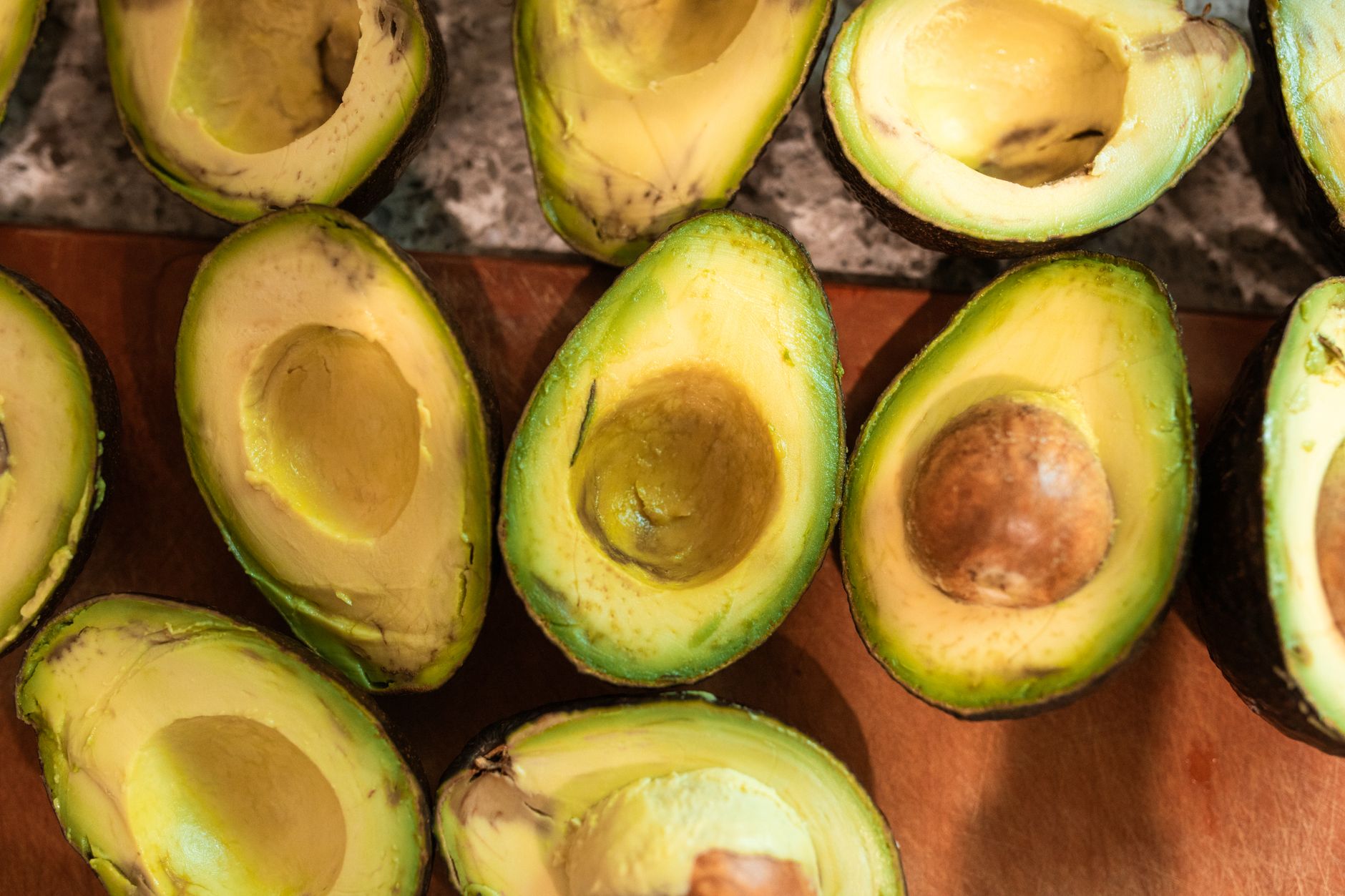
Avocados have gained popularity in recent years, being hailed as a nutrient-dense superfood. One common question relates to their fat content, particularly the saturated fat question. Are avocados high in saturated fat, or do they offer a healthier fat profile?
This article will clarify whether avocados are saturated fat, outline their nutritional benefits, and suggest serving sizes and practical ways to incorporate this delicious fruit into your diet.
Is Avocado Saturated Fat?
Avocados contain a small amount of saturated fat, but they are primarily composed of monounsaturated fats. Approximately 15% of the fat in avocados is saturated fat, while the majority consists of healthier fats that can support cardiovascular health.
Understanding Avocado Fat Content
To make informed dietary choices, it’s essential to understand the different types of fats and how they affect health:
- Monounsaturated Fats: These fats are considered heart-healthy and can help reduce bad cholesterol levels. They are found abundantly in avocados and olive oil.
- Saturated Fats: Although needed in small quantities for various bodily functions, a high intake of saturated fats has been linked to heart disease. Foods high in saturated fats include fatty cuts of meat and full-fat dairy products.
- Polyunsaturated Fats: Essential fats that include omega-3 and omega-6 fatty acids, which are important for brain function and cell growth.
Avocados are unique because they predominantly contain monounsaturated fats, which are the healthiest type of fat. While they do have a small amount of saturated fat, this should not deter you from enjoying them.
Nutritional Profile of Avocados
The avocado is not only a source of healthy fats but is also packed with essential vitamins and minerals:
- Calories: One medium avocado (around 150 grams) contains approximately 240 calories.
- Fat: Total fat content is about 22 grams, of which around 3 grams are saturated fat.
- Vitamins: Avocados are rich in Vitamin K, Vitamin E, Vitamin C, and several B vitamins.
- Minerals: They provide potassium (more than bananas), magnesium, and folate.
- Fiber: One avocado offers about 10 grams of fiber, which aids in digestion and promotes satiety.
With such a rich nutrient profile, avocados provide numerous health benefits, making them a valuable addition to a balanced diet.
Health Benefits of Including Avocados
Loading up on avocados can offer several potential health benefits:
- Heart Health: The monounsaturated fats found in avocados can help lower bad cholesterol levels, thereby reducing the risk of heart disease.
- Weight Management: Due to their high fiber and healthy fat content, avocados can promote feelings of fullness, which may prevent overeating.
- Nutrient Absorption: Eating avocados can enhance the absorption of fat-soluble vitamins (A, D, E, and K) from other foods.
- Anti-Inflammatory Properties: Avocados contain antioxidants and phytochemicals that can help reduce inflammation in the body.
How to Incorporate Avocados into Your Diet
Avocados are incredibly versatile and can be used in numerous dishes. Here are some popular and practical ways to include avocados in your meals:
1. Sliced on Toast
One of the most popular ways to enjoy avocados is by making avocado toast. Simply spread ripe avocado on whole grain toast and sprinkle with salt, pepper, and optional toppings like tomatoes, radishes, or an egg.
2. Smoothies
Add half an avocado to your morning smoothie for a creamy texture and extra nutrients. It pairs well with fruits like bananas, spinach, and berries.
3. Salads
Chop avocados into cubes and toss them into salads. Their creamy texture can make your dish more satisfying, plus they can enhance flavor without requiring heavy dressings.
4. Guacamole
Prepare your own guacamole by mixing mashed avocados with lime, onion, garlic, cilantro, and tomatoes. Serve it with chips or sliced vegetables.
5. Soups
Avocados can be blended into cold soups, such as gazpacho, or used as a topping for hot soup varieties, adding creaminess without dairy.
6. Baking
Use mashed avocados as a substitute for butter or oil in baked goods. This not only reduces calories but also increases the nutritional value of your treats.
Serving Sizes of Avocados
While avocados are nutritious, moderation is key due to their calorie density. Here are some serving suggestions:
- Half an avocado per serving is generally recommended, providing around 120 calories and a good source of healthy fats.
- 1-2 tablespoons of guacamole as a dip can be sufficient.
- Consider the total dietary fat when incorporating multiple sources of fats into meals to maintain a balanced lipid intake.
Common Substitutions and Variations
If you’re looking to switch things up or have dietary restrictions, consider these healthy substitutions:
- For spreads: Use hummus or nut butters as an alternative to avocado spread on toast.
- In salads: Replace avocado with olives or nuts for a similar creamy texture and flavor.
- For baking: Applesauce can work as a lower-calorie substitute for mashed avocado in certain baked goods.
Common Mistakes When Using Avocados
To ensure you make the most of your avocados, avoid these common mistakes:
- Choosing overripe or unripe avocados: Check for firmness and slight give when gently squeezed.
- Not storing properly: Keep ripe avocados in the refrigerator to extend their freshness, and if you have cut one open, store it with the pit in to help delay browning.
- Overseasoning: Simple salt and pepper often suffices; if you add too many flavors, you may mask the avocado’s natural taste.
How to Store Avocados
Proper storage can help maximize the lifespan and quality of your avocados:
- To ripen: Place unripe avocados in a brown paper bag at room temperature for 2-3 days.
- To store cut avocados: Brush the flesh with lemon juice or vinegar to slow browning and wrap tightly in plastic wrap or place in an airtight container.
- Refrigerate: Once ripe, avocados can last 3-5 days when refrigerated, depending on storage conditions.
Final Thoughts on Avocados
Avocados are a remarkable source of nutrients and healthy fats while being low in saturated fat. Their versatility makes them easy to incorporate into a variety of dishes, and understanding the way they fit into your diet can enhance both flavor and nutrition.
Now that you understand avocados and their place in a healthy eating pattern, consider planning meals incorporating this tasty fruit. You can explore ways to substitute avocado oil for olive oil in your cooking or discover an easy avocado bread recipe to complement your meals.
For more tips and recipes, check out how to substitute avocado oil for olive oil or try our delicious avocado bread recipe. Your taste buds—and your body—will thank you!