
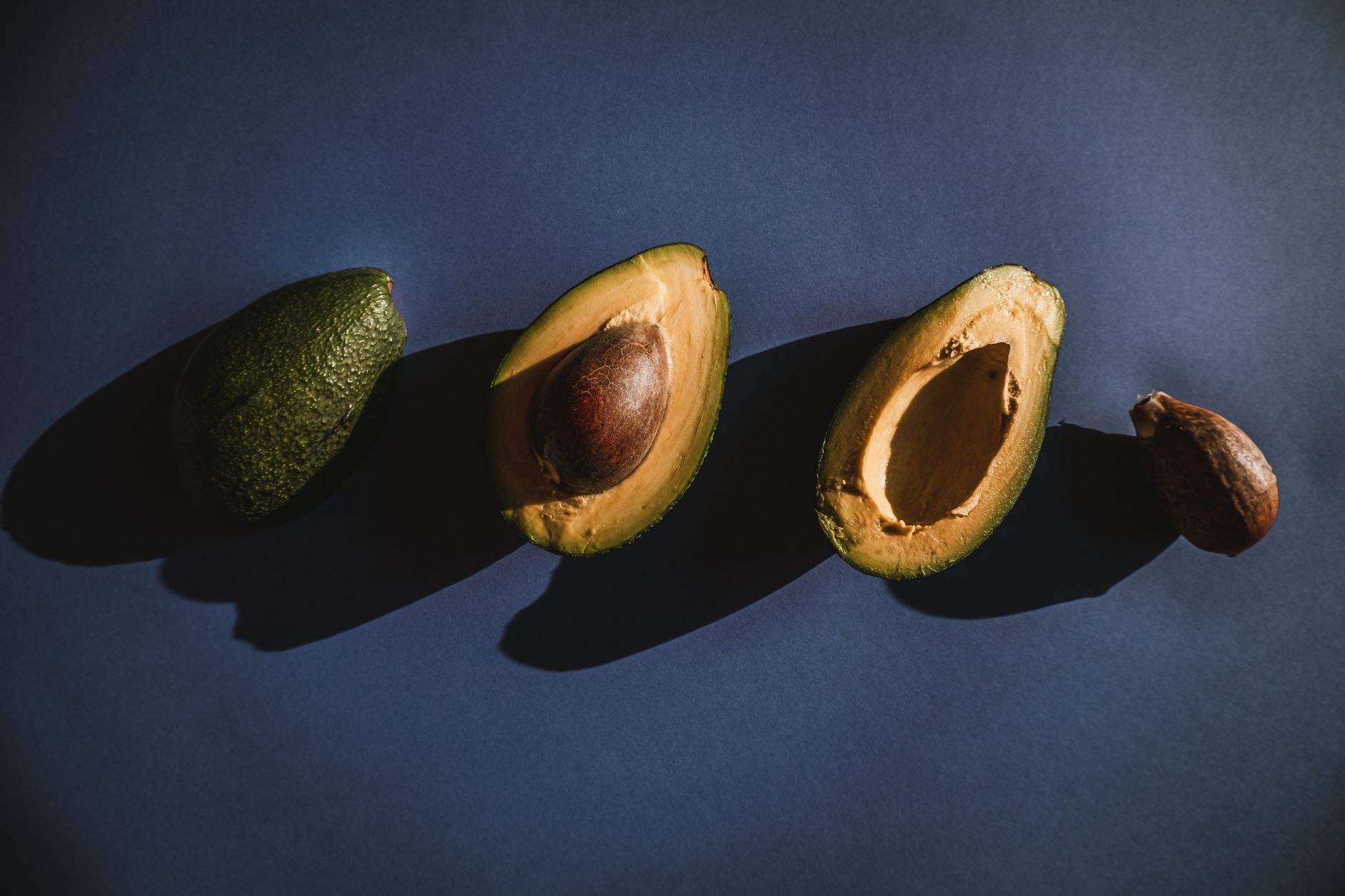
Avocados have gained popularity in recent years, not just for their creamy texture and delicious flavor but also for their potential health benefits. One of the questions people frequently ask is whether avocados are good for liver health. The answer is multifaceted and depends on various factors, including the nutritional content of avocados and how they fit into an overall diet.
In this article, we will explore the connection between avocados and liver health, the nutritional profile of avocados, suggested portions, and how to incorporate this versatile fruit into your meals. Understanding these elements can help you make informed decisions about including avocados in your diet.
Is Avocado Good for Your Liver?
Yes, avocados can be beneficial for liver health when consumed as part of a balanced diet. They contain healthy fats, fiber, and a variety of vitamins and minerals that support overall wellness, including liver function. The nutrients found in avocados, particularly healthy monounsaturated fats and antioxidants, contribute positively to liver health.
Nutritional Profile of Avocados
Avocados are rich in several nutrients that can have a positive impact on liver function. Here’s a breakdown of their key components:
- Healthy Fats: Avocados are high in monounsaturated fats, particularly oleic acid, which can reduce inflammation and support liver function.
- Fiber: The fiber content aids in digestion and helps regulate blood sugar levels, contributing to liver health.
- Vitamins: Avocados are a source of vitamins such as Vitamin E, which possesses antioxidant properties that help protect the liver from oxidative stress.
- Minerals: They contain potassium and magnesium, essential minerals that play significant roles in various bodily functions, including liver health.
- Antioxidants: Compounds like lutein and zeaxanthin are present in avocados and help combat oxidative stress.
How Avocados Support Liver Health
Avocados can directly support liver health in several ways:
1. Anti-Inflammatory Properties
Chronic inflammation is a significant contributor to liver disease. The healthy fats in avocados can help reduce inflammatory markers in the body, thereby protecting liver cells from damage.
2. Antioxidant Support
The antioxidants found in avocados combat free radicals that may contribute to liver damage. By protecting against oxidative stress, avocados may improve liver function and overall health.
3. Weight Management
Avocados may aid in weight management due to their fiber and healthy fat content, which can help keep you satiated. Maintaining a healthy weight is essential for preventing fatty liver disease and other liver-related conditions.
4. Liver Enzyme Level Regulation
Some studies suggest that the monounsaturated fats and antioxidants in avocados may help lower levels of liver enzymes that indicate liver damage, thereby promoting better liver health.
Recommended Portions and Serving Ideas
When integrating avocados into your diet, portion control is essential. A typical serving size is about one-third to one-half of a medium avocado, which provides around 80 to 120 calories depending on the size. Here are some ideas for including avocados in your meals:
- Avocado Toast: Spread mashed avocado on whole-grain bread and top it with tomatoes, radishes, or poached eggs for a nutritious breakfast.
- Salads: Add diced avocado to salads for creaminess and healthy fats. Pair with leafy greens, nuts, and a light vinaigrette.
- Smoothies: Blend avocado into smoothies for a rich texture and added nutrients. They pair well with spinach, bananas, and almond milk.
- Guacamole: Make a fresh guacamole by mashing avocado with lime juice, tomatoes, onion, and spices for a healthy dip.
- Soups: Use avocados as a topping or blended into cold soups for extra flavor.
Common Mistakes When Eating Avocado
While avocados offer several health benefits, it’s essential to avoid some common pitfalls:
- Overconsumption: Due to their high-calorie content, eating too many avocados may lead to excessive calorie intake.
- Neglecting Variety: Relying solely on avocados for healthy fats may limit your nutrient intake. Ensure you include other sources of healthy fats, like nuts and seeds.
- Ignoring Balance: Pairing avocados with overly processed foods may negate their health benefits. Focus on whole-food combinations.
Incorporating Avocados into a Liver-Friendly Diet
A diet aimed at supporting liver health should be balanced and diverse. Here’s how to ensure avocados fit well into such a diet:
1. Balanced Macronutrients
Include a variety of protein sources (such as fish, beans, and legumes), healthy fats (like avocados and olive oil), and carbohydrates (preferably whole grains) for a well-rounded diet.
2. Colorful Plate Approach
Incorporating various colorful fruits and vegetables can provide essential vitamins, minerals, and phytochemicals beneficial for liver health. Pair avocado with these food groups for added nutrition.
3. Hydration
Staying hydrated is crucial for liver function. Combine your avocado-rich meals with plenty of water or herbal teas.
4. Limit Processed Foods
Avoid excessive consumption of high-sugar and high-fat processed foods that can impair liver function. Instead, focus on whole, minimally processed options.
Potential Concerns and Interactions
While avocados are mostly safe for consumption, there are some considerations to keep in mind:
1. Allergies
Some individuals may have allergies or intolerances to avocados. It is essential to be aware of any adverse reactions.
2. Drug Interactions
Certain medications may interact with potassium-rich foods, such as avocados. If you are on medication that affects potassium levels, consult your healthcare provider before making significant dietary changes.
Storage and Ripening of Avocados
Proper storage and handling can help you enjoy avocados at their best:
- Ripening: Store unripe avocados at room temperature. Once ripe, they can be stored in the refrigerator to slow further ripening.
- Cut Avocados: To prevent browning, cover cut avocados with plastic wrap or store them in an airtight container. Adding lemon or lime juice can help preserve their color.
- Signs of Spoilage: A ripe avocado should yield slightly to pressure. If it feels mushy or has brown or black spots on the skin, it may be spoiled.
Conclusion
Avocados offer numerous benefits for liver health through their rich nutritional profile, anti-inflammatory properties, and antioxidant content. When consumed in moderation and as part of a balanced diet, avocados can support overall wellness. As always, it’s prudent to consult a healthcare professional if you have specific health concerns regarding your liver.
For more delicious ways to incorporate avocados into your meals, check out our avocado bread recipe or experiment with a creamy chia pudding recipe that pairs well with this fantastic fruit.