
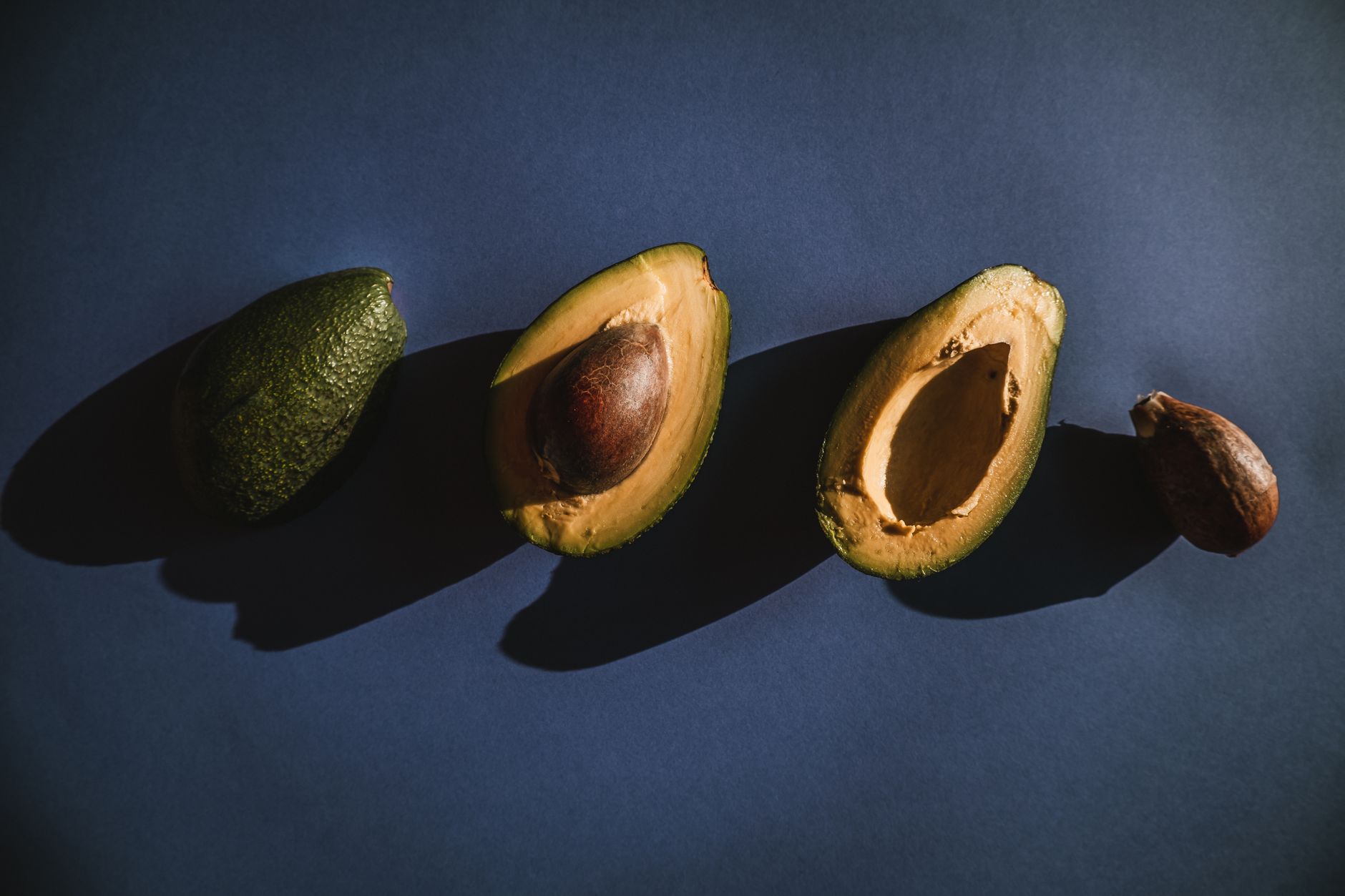
Acid reflux is a common issue that affects many individuals, prompting them to be cautious about their dietary choices. Among the various foods that often come up in discussions about acid reflux is avocado. This creamy fruit is popular not just for its flavor but also for its nutritional benefits. In this article, we’ll take a closer look at whether avocado is good for acid reflux and how you can incorporate it into your diet.
Understanding the relationship between food and acid reflux is crucial for managing this condition. As we explore avocado, we will discuss its composition, potential advantages, and how you can use it effectively in your diet.
Is Avocado Good for Acid Reflux?
Yes, avocado can be a good choice for individuals dealing with acid reflux. Its healthy fats, fiber content, and low acidity make it less likely to trigger symptoms. However, each person’s tolerance can vary, so it’s essential to monitor how your body responds.
Understanding Acid Reflux
Acid reflux occurs when stomach acid flows back into the esophagus, leading to symptoms like heartburn, chest pain, and regurgitation. It can be triggered by various factors, including certain foods, overeating, and lifestyle habits. Managing diet is one of the most effective ways to alleviate symptoms.
Why Avocado Might Be a Good Choice
Avocado is well-loved for its nutrient density. Here are several reasons why it might work well for those experiencing acid reflux:
- Healthy Fats: Avocados are rich in monounsaturated fats, which can be beneficial for heart health. These fats are less likely to stimulate the production of stomach acid.
- Fiber Content: Avocados contain a good amount of dietary fiber, which aids in digestion. This can help prevent constipation and improve overall gut health.
- Low Acidity: Unlike many fruits, avocados have an exceptionally low acid content, making them a safer choice for those prone to acid reflux.
- Nutrient Profile: They are rich in vitamins and minerals, including potassium, vitamin K, and vitamins C and E, contributing to overall health.
How to Incorporate Avocado into Your Diet
If you’re convinced that avocado can be part of your diet, there are numerous delicious ways to incorporate it. Here are some practical ideas:
1. Avocado Toast
Avocado toast has gained popularity for a good reason. It’s simple and can be customized with a variety of toppings.
- Ingredients:
- 1 ripe avocado
- 2 slices of whole-grain bread
- Salt and pepper, to taste
- Optional toppings: sliced tomatoes, cucumbers, or radishes
- Start by toasting the bread until it’s golden brown.
- While the bread is toasting, cut the avocado in half and scoop it into a bowl.
- Use a fork to mash the avocado, then season with salt and pepper to taste.
- Spread the mashed avocado on the warm toast and top with your choice of additional toppings.
2. Avocado Smoothies
Avocado can add creaminess to smoothies while providing healthy nutrients. A simple avocado smoothie can be both refreshing and soothing.
- Ingredients:
- 1 ripe avocado
- 1 banana
- 1 cup spinach (optional)
- 1 cup almond milk (or any non-citrus milk)
- Honey or maple syrup, to taste (optional)
- In a blender, combine the avocado, banana, spinach, almond milk, and any sweetener if you prefer.
- Blend until smooth and creamy.
- Pour into a glass and enjoy cold.
3. Guacamole
Guacamole is a classic use for avocados and can be enjoyed with various dippers or on top of other dishes.
- Ingredients:
- 2 ripe avocados
- 1 small onion, finely chopped
- 1 clove garlic, minced
- Salt and pepper, to taste
- Optional: diced tomatoes (avoid if sensitive), cilantro, lime juice
- Cut the avocados in half, remove the pits, and scoop the flesh into a mixing bowl.
- Mash the avocado with a fork until you reach your desired consistency.
- Add the onion, garlic, salt, and pepper. Mix well.
- Adjust seasoning and add any optional ingredients you prefer.
- Serve immediately with tortilla chips or as a spread.
4. Stuffed Avocado
Stuffed avocados make for a creative and satisfying meal or snack.
- Ingredients:
- 2 ripe avocados
- 1 cup cooked quinoa
- 1/2 cup black beans, rinsed
- 1/2 cup corn (cooked or canned)
- Salt, pepper, and olive oil, to taste
- Cut the avocados in half and remove the pits.
- In a bowl, combine the quinoa, black beans, corn, salt, pepper, and olive oil.
- Scoop some of the mixture into each avocado half.
- Serve chilled or at room temperature.
5. Salad Incorporation
Adding avocado to salads can enhance flavor and creaminess. Pair with other low-acid ingredients.
- Ingredients:
- Mixed greens
- 1 ripe avocado, sliced
- 1 cucumber, sliced
- Olive oil and vinegar dressing (avoid citrus)
- Salt and pepper
- In a large bowl, combine the mixed greens, avocado, and cucumber.
- Drizzle with olive oil and vinegar dressing and toss gently.
- Season with salt and pepper to taste and serve.
Potential Drawbacks and Considerations
While avocado can be a great addition to a diet for managing acid reflux, there are a few things to keep in mind:
- Individual Tolerance: Every person responds differently to different foods. Monitor your reaction when incorporating avocado into your meals.
- Portion Control: Although Avocados are healthy, they are calorie-dense. It’s essential to eat them in moderation, especially if you are watching your caloric intake.
- Combined Ingredients: Avocados are often found in dishes combined with other ingredients. Pay attention to what other components might be in the meal as they can affect reflux symptoms.
Common Mistakes to Avoid
When trying to incorporate avocado into your diet, consider the following common mistakes:
- Overconsumption: Many people may indulge in avocado without regard for portion sizes. Stick to recommended servings for optimal health benefits.
- Incompatibility with High-Acid Foods: Avoid pairing avocado with other known reflux triggers such as spicy ingredients, tomatoes, and citrus fruits.
- Ignoring Preparation Methods: Cooking can alter how foods affect acid reflux. Using methods that add excessive fats or spices can lead to symptoms.
Storage and Ripening Tips
Proper handling and storage of avocados are crucial to maintain their freshness:
- Ripening: If your avocados are hard, leave them at room temperature until they soften. Speed up ripening by placing them in a brown paper bag with an apple or banana.
- Refrigeration: Once ripe, you can store avocados in the fridge for a few days to extend their freshness. If cut, sprinkle some lemon juice (if tolerated) on the flesh to prevent browning and cover tightly with plastic wrap.
- Freezing: You can freeze mashed avocado. Portion it into small sealed bags. However, the texture may become slightly different once thawed.
Exploring Other Foods for Acid Reflux
While avocado is an excellent choice for acid reflux, various other foods may also help manage symptoms:
- Ginger: Known for its soothing properties, ginger can help alleviate nausea and should be a staple in reflux-friendly diets.
- Oatmeal: A great breakfast option that is high in fiber and can help absorb excess stomach acid.
- Non-Citrus Fruits: Bananas and melons are great alternatives that are gentle on the stomach.
- Lean Proteins: Foods like chicken and fish are less likely to worsen symptoms than fattier meat options.
Final Thoughts
Avocado can be a nourishing, delicious choice for those dealing with acid reflux, provided that it’s consumed mindfully in the right context. The healthy fats, fiber, and low acidity make it a favorable option in a varied and balanced diet.
To get started, why not try making an avocado toast for breakfast, or blend up a refreshing smoothie for a snack? Explore the many aspects of using avocado, and enjoy its benefits while keeping an eye on how your body reacts.
For more avocado inspiration, check out our avocado bread recipe or learn to make avocado crema for a delightful twist in your meals. With careful planning and consideration, you can enjoy the flavor of avocado without the sour repercussions of acid reflux.