
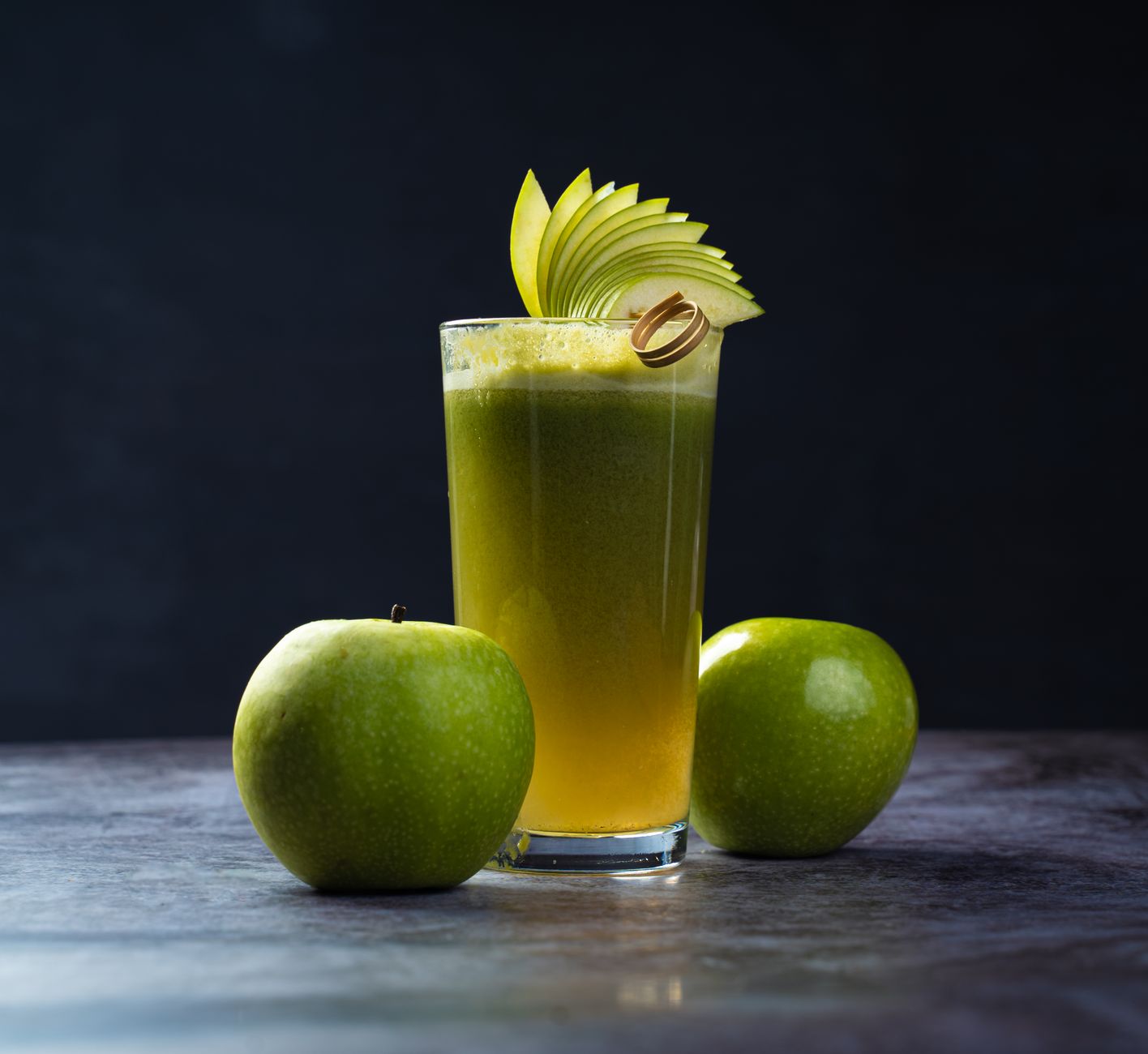
Constipation is a common digestive issue that many people face at some point in their lives. Finding natural remedies to alleviate this condition is highly sought after, and one question that often arises is whether apple juice can help. This article delves into the relationship between apple juice and constipation, exploring its benefits, how to use it, and any potential downsides.
Apple juice, derived from pressed apples, is not only refreshing but also packed with various nutrients. The presence of natural sugars and soluble fiber in apple juice may provide the digestive support some people need. Understanding if and how apple juice can be beneficial for constipation can help you make informed dietary choices.
Is Apple Juice Good For Constipation?
Apple juice may be beneficial for relieving constipation due to its high fructose content, which can stimulate the intestines and promote bowel movements. Additionally, it contains sorbitol, a sugar alcohol that can increase hydration in the colon, thereby softening stools and aiding in their passage.
Understanding Constipation
Constipation is defined as infrequent bowel movements or difficulty passing stools. This condition can lead to discomfort, bloating, and even pain. Understanding its causes can help in finding effective remedies. Factors contributing to constipation include:
- Diet: Low fiber intake, dehydration, and excessive consumption of processed foods can lead to constipation.
- Physical Activity: A sedentary lifestyle can slow down digestion.
- Medications: Some drugs, including pain medications and certain antidepressants, can promote constipation.
- Medical Conditions: Conditions like irritable bowel syndrome (IBS), diabetes, and hormonal disorders can affect bowel function.
How Apple Juice May Help
Apple juice has several properties that can aid in relieving constipation. Here’s a closer look at some of them:
Sorbitol Content
One of the primary reasons apple juice is considered effective for constipation relief is its sorbitol content. This sugar alcohol acts as a natural laxative that draws water into the intestines, helping to soften stools and facilitate movement. Sorbitol is found in many fruits, but apple juice typically has higher concentrations.
Hydration
Staying hydrated is crucial for maintaining proper digestive function. Apple juice, with its high water content, can help in achieving necessary fluid intake. Hydrated intestines are more likely to move waste efficiently, which can relieve constipation.
Fructose
Fructose is another component in apple juice that may play a role in bowel regularity. It can stimulate the intestines to contract, which promotes bowel movements. Unlike glucose, which can be absorbed quickly, fructose is metabolized differently, allowing it to have a laxative effect in some individuals.
When to Use Apple Juice for Constipation
Apple juice can be used as a first line of relief for mild to moderate constipation. It is particularly effective for individuals who prefer natural remedies over over-the-counter medications. If you are experiencing infrequent bowel movements, you may want to try incorporating apple juice into your diet. Here are some suggestions:
- Drinking Apple Juice: Consuming a glass (about 8 ounces) of 100% pure apple juice may help stimulate your bowels.
- Combining with Other Juices: Mixing apple juice with other high-water-content juices like pear or prune can enhance its effectiveness.
- Using in Smoothies: Adding apple juice to smoothies that include fruits high in fiber, such as bananas or berries, can help promote digestive health.
How Much Apple Juice Should You Consume?
The suggested amount of apple juice for alleviating constipation is one 8-ounce serving per day. However, individual responses to apple juice can vary. Some people might find relief with less, while others may need more. It’s essential to listen to your body and adjust accordingly.
Potential Variations
Apple juice is versatile and can be used in various forms to enhance its effects, such as:
- Freshly Squeezed Apple Juice: Using fresh apples to make juice ensures more nutrients and fiber.
- Apple Juice Blend: Consider blending apple juice with other fruit juices, like prunes or oranges, known for their digestive benefits.
- Organic Options: Opt for organic apple juice to reduce exposure to pesticides and additives.
Are There Any Downsides to Apple Juice?
While apple juice can provide several benefits for constipation, there are some downsides to consider:
High Sugar Content
Apple juice, even in its natural form, contains a significant amount of sugar. Consuming excessive amounts can lead to weight gain and blood sugar spikes. Always monitor your intake, especially if you have diabetes or other metabolic concerns.
Low Fiber
One of the drawbacks of apple juice is that most varieties lack the fiber found in whole apples. The fiber in whole fruits is essential for regular bowel movements. To counter this, you might consider also consuming whole apples alongside apple juice.
Digestive Upset
For some individuals, particularly those with sensitive digestive systems, apple juice may cause gas or bloating. If you experience these symptoms, it might be best to reduce your consumption or opt for juice varieties with lower fructose content.
Other Natural Remedies for Constipation
If apple juice doesn’t seem to help or you’re looking for additional options, consider these alternatives:
Prune Juice
Prune juice is well-known for its effectiveness in relieving constipation. It contains sorbitol and fiber similar to apple juice, making it a popular choice for digestive health.
Water
Staying hydrated is vital. Drinking plenty of water throughout the day can help manage constipation effectively.
High-Fiber Foods
Incorporating fiber-rich foods like whole grains, fruits, and vegetables into your diet can promote regular bowel movements. Aim for a daily fiber intake of 25-30 grams.
Probiotics
Probiotic-rich foods such as yogurt, kefir, and fermented vegetables can improve gut health and possibly alleviate constipation over time.
Combining Apple Juice with Dietary Changes
Using apple juice as a part of a broader dietary strategy can enhance its effectiveness in promoting digestive health. Here are ways to fuse apple juice consumption with healthy eating habits:
Eat More Fiber
While apple juice may provide relief, complementing it with high-fiber foods is crucial. Foods like oats, beans, lentils, fruits, and vegetables can help keep your digestive system running smoothly.
Regular Exercise
Physical activity encourages intestinal contractions, promoting regular bowel movements. Aim for at least 30 minutes of moderate exercise most days of the week.
Maintain a Routine
Try to establish regular meal and bathroom routines. Your body may respond better to predictable patterns.
When to Consult a Doctor
Should constipation persist despite dietary changes and home remedies, it’s important to consult a healthcare professional. Persistent constipation can sometimes signal underlying health issues that require professional evaluation. Seek medical advice if you experience:
- Severe abdominal pain.
- Persistent constipation lasting more than three weeks.
- Blood in stools.
- Unexplained weight changes.
Conclusion
In summary, apple juice can indeed be beneficial for relieving constipation, particularly due to its sorbitol and fructose content. However, it should be consumed in moderation alongside a diet rich in fiber and adequate hydration for the best results. If traditional remedies do not provide relief, or if constipation persists, it is advisable to consult with a healthcare provider for further evaluation and treatment.
Explore related recipes and food guides to enhance your culinary knowledge and improve digestive health. Check out Does Cabbage Make You Poop? and What Does Pomegranate Juice Do For You? for more insights on gut health.