
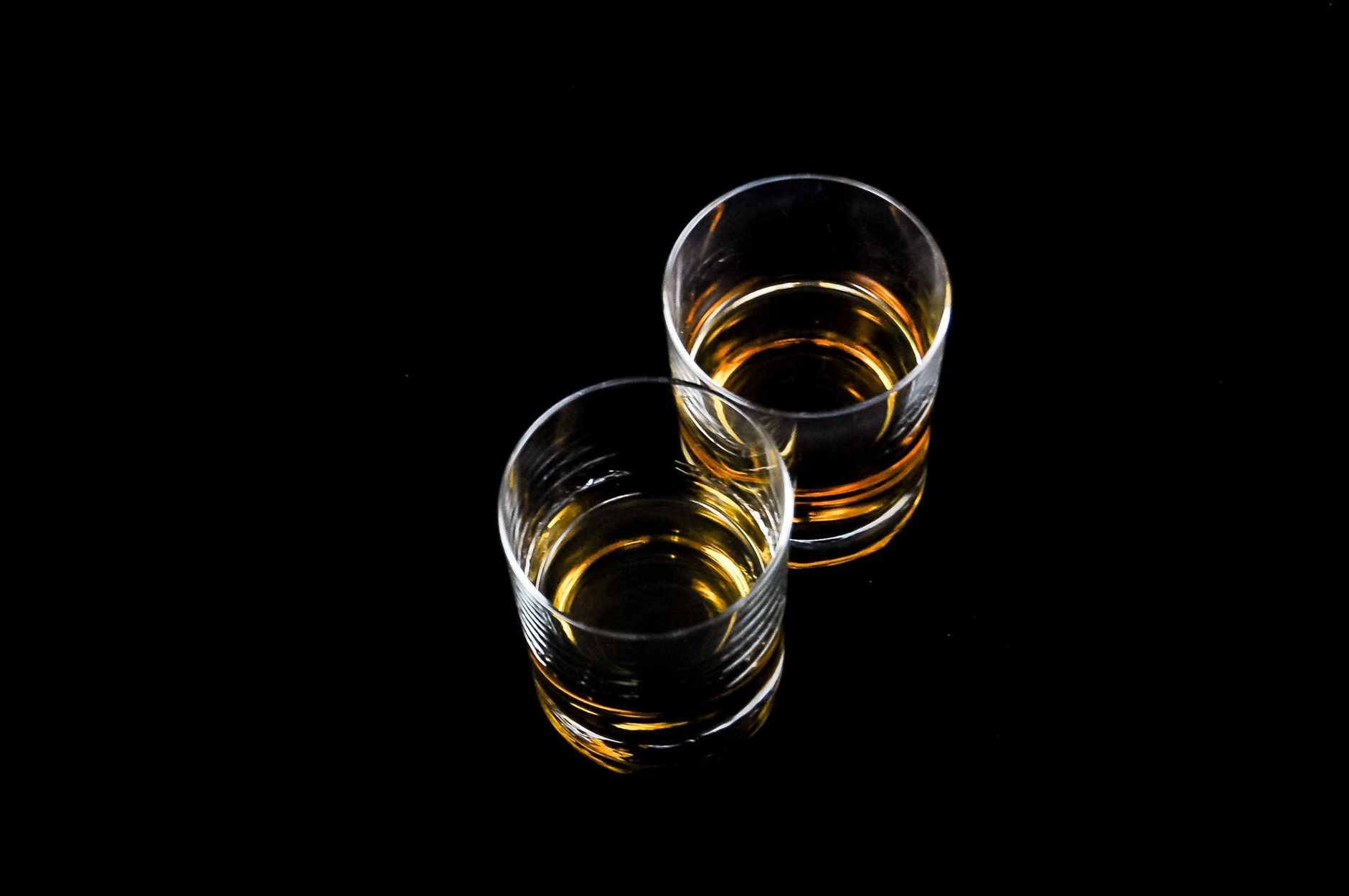
Alcohol is a term that encompasses a variety of chemical compounds; however, when most people refer to alcohol, they are specifically talking about ethanol. Ethanol, or ethyl alcohol, is the type of alcohol found in alcoholic beverages and is responsible for their intoxicating effects. Understanding the relationship between alcohol and ethanol is crucial for anyone who wants to consume alcoholic drinks responsibly or explore various cocktails.
This article delves into the world of ethanol, its role in alcoholic beverages, the different types of alcohol people may encounter, and how these can be used in cooking or beverage preparation. Let’s explore the intricacies of ethanol and learn how it fits into the broader category of alcohol.
Is Alcohol Ethanol?
Yes, ethanol is a type of alcohol. It is the primary ingredient in alcoholic beverages, which means that whenever you consume an alcoholic drink, you are primarily consuming ethanol. Other types of alcohol, like methanol or isopropanol, are toxic and should never be ingested. Ethanol, however, is safe for human consumption in controlled amounts.
Understanding Alcohol Content
Alcohol content is a crucial factor when it comes to understanding how ethanol affects the body. The alcohol content in beverages is usually expressed as a percentage of alcohol by volume (ABV). For instance, an alcoholic beverage with 5% ABV contains 5% pure ethanol and 95% other ingredients.
Common Alcohol Content Levels
- Light beer: 3-5% ABV
- Regular beer: 4-6% ABV
- Wine: 9-15% ABV
- Fortified wine: 15-20% ABV
- Standard spirits: 35-50% ABV
Measuring Alcohol Content
To calculate the amount of ethanol you are consuming, you can use the following formula:
ABV (%) × Volume of the drink (ml) = Amount of ethanol (ml)
For example, if you have a 500 ml beer with 5% ABV, the calculation would be as follows:
5 × 500 = 25 ml of ethanol.
Varieties of Alcoholic Beverages
Alcoholic beverages come in many varieties, each with unique characteristics and preparation methods. Below are some common types of alcoholic drinks and a brief overview of their flavors and ethanol content.
Beer
Beer is one of the oldest and most widely consumed alcoholic beverages, made from fermented grains, hops, yeast, and water. It typically has a lower ABV compared to wine and spirits, making it a popular choice for casual drinking.
Wine
Wine is made from fermented grapes or other fruits. The fermentation process converts the sugars in the fruit into alcohol. Different varieties of grapes and fermentation techniques lead to a wide array of flavors, aromas, and styles, such as red, white, rosé, and sparkling wines.
Spirits
Spirits, also known as liquors or hard alcohol, include beverages like whiskey, vodka, rum, gin, and tequila. These drinks are distilled and typically have a higher ABV than beer or wine. They serve as the base for a wide range of cocktails.
Cocktails
Cocktails are mixed drinks that combine spirits with other ingredients, such as juices, syrups, and bitters. The variety in flavor and content offers endless possibilities for creativity when it comes to home bartending.
Culinary Uses of Ethanol
Ethanol isn’t just for drinking; it can also be utilized in various culinary applications. Here are some ways alcohol can enhance your cooking and baking.
Flavor Enhancer
Cooking with alcohol can deepen flavors. For instance, deglazing a pan with wine or beer after sautéing vegetables or meat helps lift the fond (the brown bits) from the bottom of the pan, resulting in a rich sauce.
Marinades
Using wine or spirits in marinades can help tenderize and flavor proteins. The ethanol in the alcohol helps dissolve some of the fat and allows flavors to penetrate the meat more efficiently. However, it’s important to remember that alcohol should not be the dominant flavor in marinades.
Baking
Alcohol can add depth and complexity to baked goods. For example, using spirits like rum or whiskey in cakes or pastries can impart rich flavors. Additionally, alcohol evaporates quickly during baking, leaving behind just the flavor without the alcoholic content.
Health Considerations
While moderate alcohol consumption can be a part of a balanced lifestyle for some, it’s important to remain aware of the potential risks associated with alcohol intake. Understanding the effects of ethanol on the body can help guide responsible consumption.
Moderation is Key
Health guidelines often define moderate drinking as up to one drink per day for women and up to two drinks per day for men. Exceeding these levels can increase the risk of various health problems, including liver disease and certain types of cancer.
Alcohol Metabolism
The liver metabolizes most of the ethanol consumed. Consuming too much alcohol can overwhelm the liver’s ability to process it, leading to acute intoxication or alcohol poisoning. Symptoms can include confusion, vomiting, and even unconsciousness.
Alcohol and Cooking
While cooking may reduce the alcohol content in food, some residual alcohol may remain even after cooking. Those who are pregnant, recovering from addiction, or have specific health concerns should consider completely abstaining from alcohol, even in cooking.
Beverage Pairing with Food
Choosing the right alcoholic beverage can enhance the dining experience. Here are some tips for pairing popular alcoholic drinks with food:
Beer Pairing
- Light lagers pair well with salads and seafood.
- Medium-bodied ales complement grilled meats and barbecue.
- Dark beers can enhance the flavors of chocolate desserts.
Wine Pairing
- White wines, like Chardonnay, pair well with poultry and creamy dishes.
- Red wines, such as Cabernet Sauvignon, are great with red meats and rich sauces.
- Rosé wines are versatile and can accompany a range of foods from salads to grilled fish.
Spirits Pairing
- Whiskey can be enjoyed neat or on the rocks with grilled meats or smoky dishes.
- Vodka pairs nicely with spicy foods, as its clean flavor can help balance out heat.
- Gin’s botanical notes are well-suited for lighter fare, such as seafood or salads.
Common Mistakes When Cooking with Alcohol
Using alcohol in cooking can sometimes lead to mishaps. Here are some common mistakes to avoid:
Using the Wrong Type of Alcohol
Different types of alcohol have different flavor profiles. Using sweetened or flavored spirits in a dish where a drier version is called for can lead to unwanted sweetness.
Not Allowing Enough Cooking Time
Some recipes may require more time to let the alcohol evaporate. If not cooked long enough, the dish may retain an overpowering alcohol flavor.
How to Choose Quality Alcohol for Cooking
When selecting alcohol to use in cooking, quality does matter. Here are a few tips to ensure you are choosing the best:
- Use alcohol that you would drink. If it’s not good enough to drink, it’s probably not good enough to cook with.
- Buy in smaller bottles if you don’t plan to use it often. This way, you can maintain freshness and avoid waste.
- Store opened bottles properly. Keep them sealed and in a cool, dark place to preserve their flavor.
Storage and Storage Tips
Storing alcohol properly can prolong its shelf life. Here are some fundamental storage tips:
Unopened Bottles
Keep unopened bottles in a cool, dark location, like a pantry or wine cellar. Make sure they are upright to avoid cork degradation for wine.
Opened Bottles
Once opened, spirits can last for several months to years depending on the type, while wine should generally be consumed within a week or two for optimal flavor. Use wine stoppers or vacuum systems to help preserve opened wine.
Signs of Spoilage
Be aware of changes in the scent, color, or flavor of alcohol. If it smells off or has a peculiar taste, it’s better to err on the side of caution and discard it.
Exploring Cocktails to Try with Ethanol
If you’re interested in experimenting with cocktails that prominently feature ethanol, consider trying the following drinks:
- Gold Rush Cocktail: A sweet and tart blend of bourbon, fresh lemon juice, and honey syrup.
- Tequila Sour: A tangy and refreshing mix of tequila, citrus, and sugar, perfect for warmer months.
In conclusion, understanding that alcohol primarily refers to ethanol is essential for anyone interested in responsible consumption and culinary applications. From knowing its various forms, how to cook with it, and the importance of moderation, becoming informed about ethanol can greatly enhance your food and beverage experience.
For more ideas, you can explore related resources on cocktail recipes or cooking tips to enhance your culinary skills.