
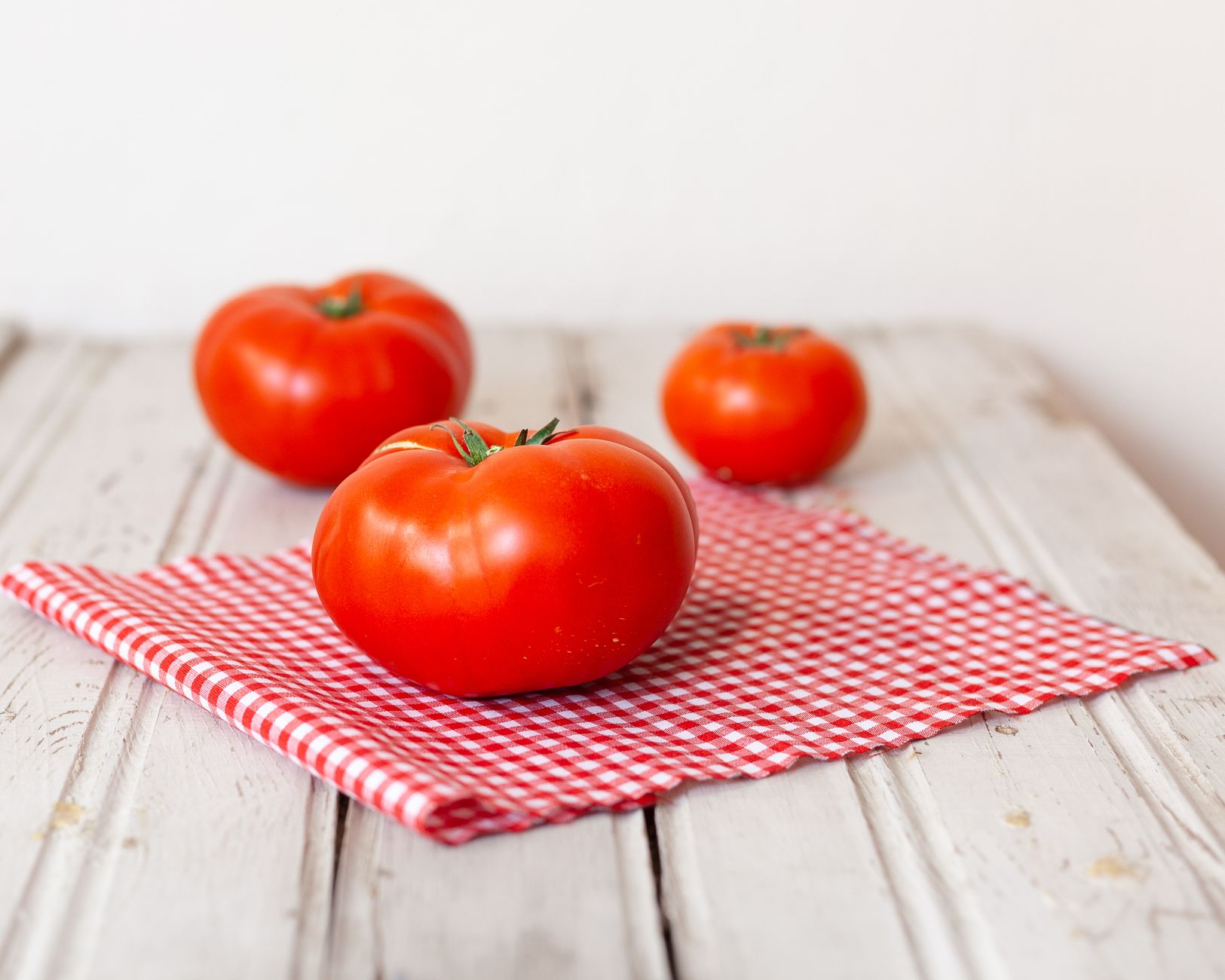
When cooking or shopping for ingredients, you may find yourself asking: is a tomato a fruit or a vegetable? The answer is not as straightforward as it might seem, as it has roots in both botany and culinary traditions. Understanding this classification can enhance your cooking, help you select ingredients, and refine how you plan your meals.
This article explores the nature of tomatoes, their role in various food groups, culinary uses, and practical tips for including them in your kitchen repertoire. By the end, you’ll know how to classify tomatoes and how best to utilize them in your meals.
Is a Tomato a Fruit or Veggie?
A tomato is botanically classified as a fruit because it develops from the ovary of a flower and contains seeds. However, in culinary contexts, it is often treated as a vegetable due to its savory flavor profile. This dual identity is a great topic for debates among chefs, gardeners, and home cooks alike.
The Botanical Perspective
From a botanical standpoint, fruits are mature ovaries of flowering plants, usually containing seeds. This definition includes not only sweet items like apples and oranges but also items like cucumbers, zucchinis, and, yes, tomatoes. Tomatoes belong to the Solanaceae family, which also includes potatoes, peppers, and eggplants.
The classification of tomatoes as fruit is not simply a matter of scientific terminology; it also has implications for nutritional value. Fruits generally have higher sugar content and are often considered healthier snack options compared to vegetables, which can be lower in sugars and higher in fibers and starches.
The Culinary Perspective
In cooking, tomatoes are typically treated as vegetables. This distinction arises from their flavor, which is more savory than sweet. This leads to their use in salads, sauces, stews, and other savory dishes. Culinary classifications often prioritize preparation methods and flavor profiles over botanical definitions.
This context is particularly valuable for meal-planning and recipe formulation, where the versatility of tomatoes can be fully realized. Understanding how to categorize them in this way helps home cooks use them more effectively in various dishes.
Culinary Uses of Tomatoes
Now that we have established tomatoes’ identity, let’s explore their various uses in the kitchen. Their versatility opens up many possibilities for flavor enhancement and ingredient pairing.
Raw Applications
Fresh tomatoes can serve multiple purposes in raw forms:
- Salads: Sliced, diced, or halved tomatoes can add moisture and acidity to salads.
- Salsas: Chopped tomatoes are a key ingredient in classic salsas, offering freshness and a hint of sweetness.
- Sandwiches: Sliced tomatoes are a classic topping for sandwiches, burgers, and wraps.
Cooked Applications
When cooked, tomatoes develop deeper flavors and can become the foundation for numerous dishes:
- Sauces: Cooked and pureed tomatoes are the base for pasta sauces, curries, and more.
- Soups: Tomato soup is a classic dish that showcases the fruit’s flavor when simmered and blended with spices.
- Roasting: Roasting tomatoes concentrates their flavors and can be a delightful addition to various entrees.
Tomato Varieties
There are several varieties of tomatoes, each with its own distinct flavor, texture, and culinary uses:
- Beefsteak: Juicy and meaty, these are perfect for sandwiches and burgers.
- Roma: Known for their dense flesh, Roma tomatoes are ideal for sauces and canning.
- Cherry: Sweet and bite-sized, great for snacking, salads, or garnishing.
- Heirloom: With diverse colors and flavors, heirloom tomatoes can elevate many dishes with their unique profiles.
Cooking Techniques That Highlight Tomatoes
Once you have chosen your tomatoes, different cooking techniques can maximize their flavor:
Roasting
Roasting tomatoes brings out their natural sugars and enhances sweetness. Here’s how you can do it:
- Preheat your oven to 400°F (200°C).
- Slice your tomatoes in half and place them on a baking sheet, cut side up.
- Drizzle with olive oil, and season with salt and pepper.
- Roast for 25-30 minutes until the edges caramelize and the centers soften.
- Use in pasta dishes, salads, or as a topping for bread.
Sautéing
Sautéing tomatoes with garlic and olive oil brings out their flavor in a matter of minutes. Follow these steps:
- Heat a tablespoon of olive oil in a skillet over medium heat.
- Add minced garlic and stir for 30 seconds until fragrant.
- Add diced tomatoes and season with salt, sugar, and basil.
- Sauté for about 10 minutes until thickened.
- Serve over pasta or use as a pizza sauce.
Making Tomato Sauce
Tomato sauce is a staple in many kitchens. Here’s a simple method to make your own:
- Start with 2 pounds of fresh tomatoes (Roma or another variety).
- Score the tomatoes and blanch them in boiling water for 1 minute, then transfer them to ice water to peel.
- Chop tomatoes and place them in a pot with 2 cloves of minced garlic, 1 chopped onion, 2 tablespoons olive oil, salt, pepper, and a pinch of sugar.
- Simmer for 30 minutes, stirring occasionally.
- Blend until smooth or leave chunky, depending on your preference.
- Use immediately or store in the refrigerator for up to a week.
Common Substitutions for Tomatoes
Sometimes, you may not have fresh tomatoes on hand. Here are some practical substitutions:
- Canned Tomatoes: Use in sauces and soups; one 14-ounce can is roughly equivalent to 2-3 fresh medium tomatoes.
- Tomato Paste: A more concentrated flavor. Stick to 1 tablespoon of paste for every half cup of diced fresh tomatoes.
- Roasted Red Peppers: For a different flavor profile, use roasted red peppers in dips or salads.
- Sundried Tomatoes: These add a chewy texture and intense tomato flavor; adjust quantities as they’re more concentrated.
Storing and Preserving Tomatoes
Tomatoes can be stored and preserved for later use, ensuring you get the most out of their flavor and nutrients. Here are some storage tips:
Storing Fresh Tomatoes
Store ripe tomatoes at room temperature, stem side up, away from direct sunlight. This helps maintain their flavor. Refrigeration can make tomatoes mealy, so it’s best to consume them soon after ripening.
Freezing Tomatoes
For long-term storage, you can freeze tomatoes:
- Wash and core the tomatoes, then blanch them in boiling water for 1 minute.
- Cool them in ice water and peel off the skins.
- Cut them into quarters and place them in freezer bags, removing air before sealing.
- Label and freeze for up to six months.
Health Benefits of Tomatoes
Tomatoes are nutrient-rich and offer various health advantages. They are an excellent source of vitamins C and K and contain a variety of beneficial compounds:
- Lycopene: A powerful antioxidant that may reduce the risk of chronic diseases.
- Fiber: Supports digestive health and can help maintain healthy cholesterol levels.
- Low in Calories: This makes tomatoes a heart-healthy option to aid in weight management.
Common Mistakes When Using Tomatoes
While using tomatoes can seem easy, there are common pitfalls to avoid:
- Overcooking: Cooking tomatoes for too long can cause them to lose their vibrant flavor and texture. Aim for a gentle simmer.
- Not seasoning: Fresh tomatoes benefit greatly from salt and acidic ingredients like vinegar to enhance flavor.
- Using cold tomatoes: Brining tomatoes in cold temperature can dull their flavor. Allow them to reach room temperature before cooking or serving.
Nutritious Tomato Recipes to Try
Here are a couple of delicious tomato-forward recipes to get you inspired:
Tomato Gravy
This savory dish pairs perfectly with rice, potatoes, or bread.
- Ingredients:
- 2 cups chopped tomatoes (fresh or canned)
- 1 onion, finely chopped
- 2 cloves garlic, minced
- 1 teaspoon cumin seeds
- 1 teaspoon chili powder (adjust to taste)
- 2 tablespoons oil
- Salt to taste
- Instructions:
- Heat oil in a pan; add cumin seeds until they sizzle.
- Add chopped onion; sauté until golden.
- Add garlic; sauté for additional minute.
- Mix in tomatoes, chili powder, and salt; cook until thick.
- Serve with rice or flatbread.
- Ingredients:
- 2 pounds ripe tomatoes
- 1/2 teaspoon salt
- 1/8 teaspoon black pepper
- Instructions:
- Wash and cut tomatoes; place in a blender.
- Blend until smooth; strain if desired for a smoother texture.
- Add salt and pepper to taste.
- Chill and serve.
Tomato Juice
A refreshing drink, especially in summer.
Understanding whether a tomato is a fruit or vegetable enhances your culinary knowledge and ability to create delicious dishes. With their endless versatility, fresh tomatoes can elevate the simplest of meals to something extraordinary.
Explore more delightful recipes and cooking tips to inspire your kitchen adventures, including tomato juice and tomato gravy recipes.