
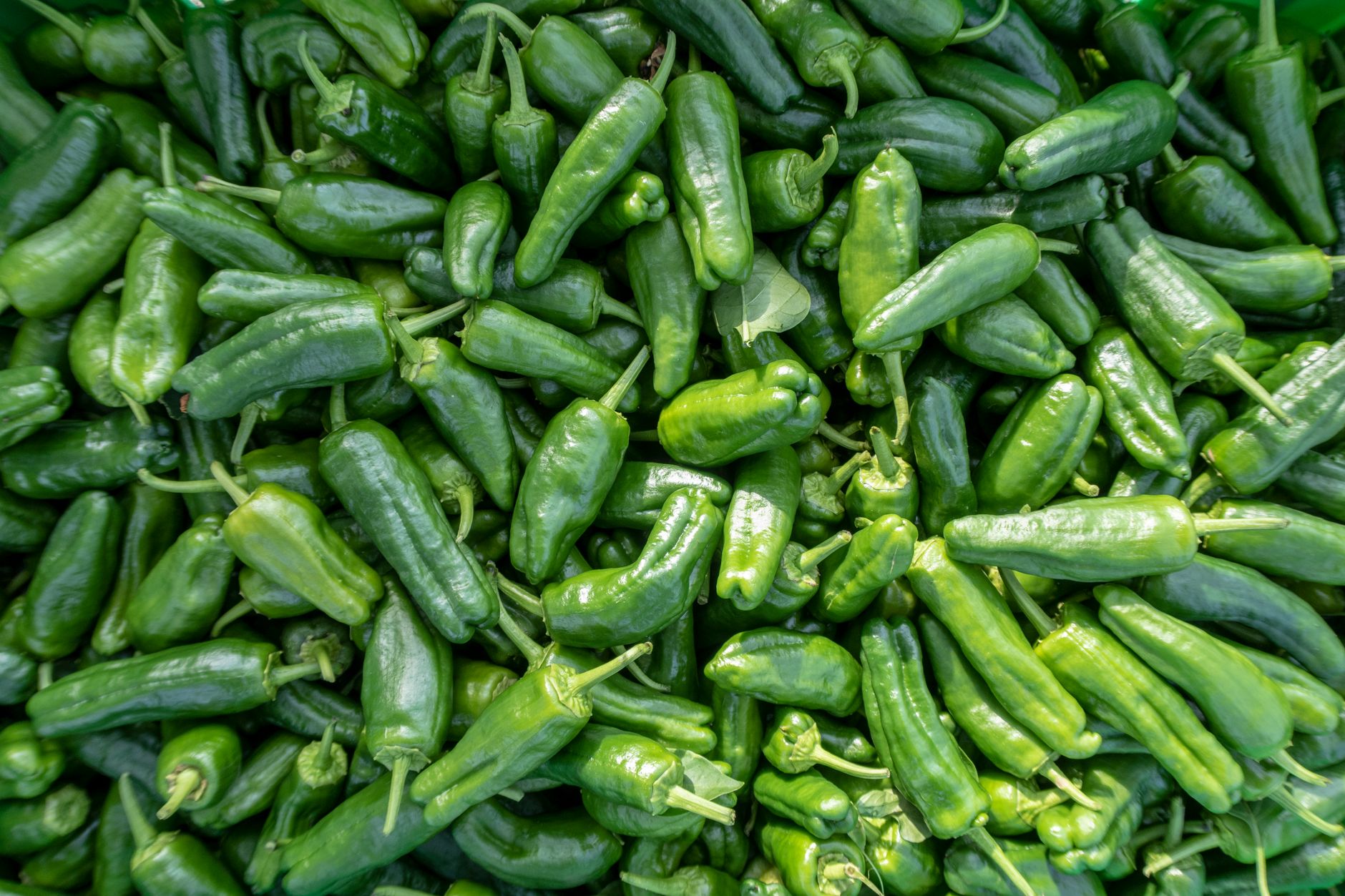
Poblano peppers are popular in Mexican cuisine for their rich flavor and moderate heat level. Commonly used in dishes like chiles en nogada and rajas poblanas, they offer a complex taste profile that enhances many recipes. Understanding their spiciness helps in selecting the right pepper for your cooking needs.
In this article, we will explore the heat level of poblano peppers, how they compare to other peppers, and provide some delicious serving ideas to help you incorporate them into your meals.
Is a Poblano Pepper Spicy?
A poblano pepper is generally considered mild to medium in terms of spiciness, measuring between 1,000 to 2,000 Scoville Heat Units (SHU). For reference, this is significantly less than jalapeños, which can range from 2,500 to 8,000 SHU. Therefore, while they do have some heat, they are much more about flavor than fiery spiciness.
Understanding the Scoville Scale
The Scoville scale is a measurement of the spiciness or heat of chili peppers and other spicy foods. Developed in 1912 by Wilbur Scoville, it measures the concentration of capsaicin, the compound that gives peppers their heat.
- 0 SHU: Bell peppers (sweet and non-spicy)
- 1,000 – 2,000 SHU: Poblano peppers (mildly spicy)
- 2,500 – 8,000 SHU: Jalapeño peppers (medium heat)
- 10,000 – 23,000 SHU: Serrano peppers (medium to hot)
- 30,000 – 50,000 SHU: Cayenne peppers (hot)
- 100,000 – 350,000 SHU: Habanero peppers (very hot)
Given this scale, poblano peppers are mild enough for many palates yet offer a depth of flavor that makes them desirable in various dishes.
Flavor Profile of Poblano Peppers
Poblano peppers have much more to offer than just heat. They present a rich, earthy flavor with hints of chocolate and a slight smokiness, especially when roasted. This unique combination makes them versatile for various culinary applications.
How to Choose the Right Poblano Pepper
When shopping for poblano peppers, look for peppers that have a dark green color, firm skin, and feel heavy for their size. Fresh poblano peppers will have a slightly glossy surface, indicating moisture and freshness. Avoid any with soft spots or blemishes.
Preparing Poblano Peppers
Poblano peppers can be used fresh, roasted, or dried (as ancho chiles). Each preparation method offers a different flavor experience. Here are steps for each preparation method:
Fresh Poblano Peppers
- Rinse under cold water to remove any dirt.
- Dry with a paper towel before slicing or chopping.
Roasting Poblano Peppers
Roasting poblano peppers enhances their flavor and adds a delicious smokiness.
- Preheat your oven to 400°F (200°C) or prepare a grill.
- Place the peppers on a baking sheet or directly on the grill.
- Roast until the skin blisters and turns black, about 15-20 minutes in the oven, or 6-8 minutes on the grill.
- Remove from heat and place in a covered bowl to steam for about 10 minutes.
- Once cooled, peel off the skin, remove seeds, and chop as desired.
Dried Poblano Peppers (Ancho)
- Dried poblano peppers (known as ancho chiles) can be rehydrated by soaking them in hot water for 20-30 minutes before use.
- After soaking, drain and chop or blend them into sauces.
Serving Ideas for Poblano Peppers
Poblano peppers are incredibly versatile. Here are some ways to incorporate them into your cooking:
Stuffed Poblano Peppers
One of the most popular dishes featuring poblano peppers is stuffed poblanos. You can fill them with a variety of ingredients, such as:
- Rice and black beans
- Cooked quinoa and vegetables
- Ground meat or shredded chicken
- Cream cheese mixed with herbs and spices
After stuffing, top with cheese and bake until the peppers are tender.
Poblano Cream Sauce
Poblano peppers can be blended into creamy sauces that complement grilled meats, pasta, or tacos. Here’s a simple idea:
- Roast and peel 2 poblano peppers.
- Blend roasted peppers with 1 cup of sour cream, 1 clove of garlic, and salt to taste.
- Serve over grilled chicken or mix into pasta for added flavor.
Rajas Poblanas
Rajas poblanas is a traditional Mexican dish consisting of sautéed poblano strips, onions, and cream. It’s excellent as a taco filling or as a topping for grilled meats.
- Slice roasted poblano peppers into strips.
- Sauté with sliced onions in a little olive oil until soft.
- Add heavy cream and cook until heated through; serve immediately.
Common Mistakes and Troubleshooting
When cooking with poblano peppers, consider these tips to avoid common pitfalls:
- Overcooking: If roasting, keep an eye on the peppers to avoid burning. The skin should blister but not completely char.
- Ignoring spice level: Always taste before adding to your dish. While generally mild, individual peppers can vary in heat.
- Under-seasoning: Poblano peppers should be well-seasoned; otherwise, they can taste bland.
Storage and Preservation of Poblano Peppers
To store fresh poblano peppers, keep them in a paper bag in the refrigerator. They typically last for about one week. Roasted and peeled peppers can be stored in an airtight container in the refrigerator for about 3-5 days.
For longer storage, consider freezing poblano peppers. Here’s how:
- Wash and dry the peppers.
- Roast, cool, and remove the skins and seeds.
- Place in a freezer-safe bag, removing as much air as possible before sealing.
Frozen poblano peppers can be used directly in cooked dishes without thawing.
Substitutions for Poblano Peppers
If you can’t find poblano peppers, here are some suitable alternatives, along with their flavor notes and heat levels:
- Anaheim Peppers: Milder than poblanos (500 – 2,500 SHU), good for roasting and stuffing.
- Jalapeño Peppers: Spicier (2,500 – 8,000 SHU), will add more heat; use sparingly.
- Cubanelle Peppers: Sweet and mild (100 – 1,000 SHU), good in salads or for sautéing.
Final Thoughts on Poblano Peppers
Poblano peppers are a fantastic ingredient that can elevate your meals with their unique flavor and moderate spice. Whether roasted, grilled, or used fresh, they are adaptable in various cuisines and recipes. Try incorporating them into your next dish for a touch of complexity and richness.
For more delicious ideas, check out our Poblano Peppers Recipe or learn about other flavorful ingredients like coriander in our Substitutes for Coriander. Enjoy your cooking adventures!