
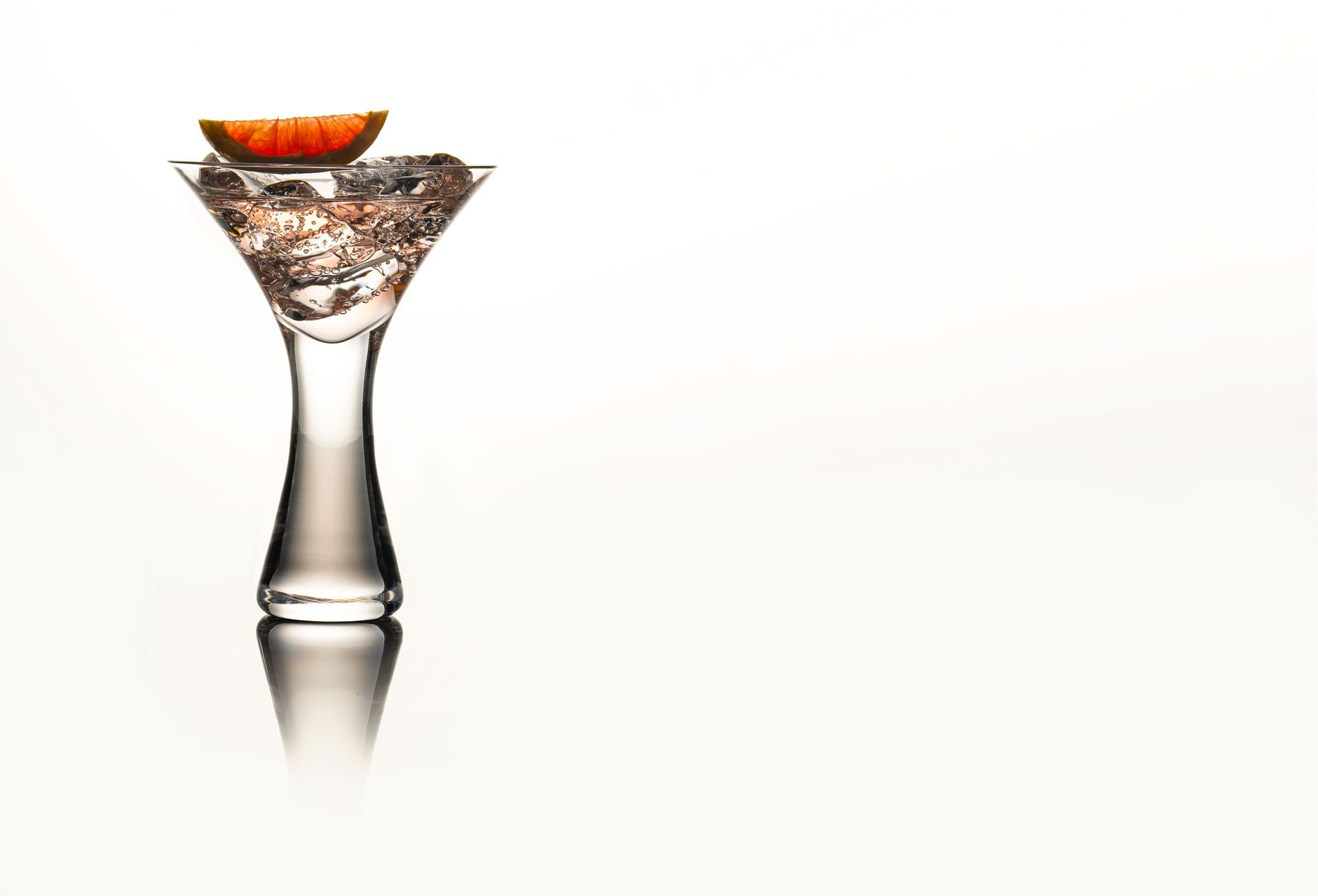
When it comes to cocktails, few drinks are as iconic as the martini. Often regarded as the epitome of sophistication and elegance, the martini has sparked debate among cocktail enthusiasts regarding its primary spirit: gin or vodka. Both spirits have their devoted followers, and the choice can significantly change the drink’s flavor profile and character.
This article aims to explore the differences between gin and vodka martinis, examining their taste, texture, and kitchen uses. By understanding these distinctions, you’ll be able to choose your martini style with confidence, whether you’re shaking up a classic cocktail at home or ordering one at a bar.
Is a Martini Gin or Vodka?
A martini can be prepared with either gin or vodka, and the choice largely depends on personal preference. The traditional martini typically uses gin, while vodka martinis have gained popularity due to their smoothness and clean taste. Ultimately, both variations have their own unique appeal and history.
The Origins of the Martini
The exact origins of the martini are somewhat murky, with several theories surrounding its creation. One theory suggests that the drink originated in the 19th century at a bar in San Francisco, where a gold miner requested a special drink to celebrate his newfound wealth. Another popular theory attributes its invention to the bartender Jerry Thomas at the Occidental Hotel in San Francisco in the 1860s, who created a recipe including gin, dry vermouth, and orange bitters.
Regardless of its true origins, the martini gained immense popularity in the early 20th century and has since evolved into various forms, including the gin martini and vodka martini. Understanding these variations can help you appreciate the flexibility of the cocktail.
The Characteristics of Gin and Vodka
What is Gin?
Gin is a distilled spirit that is flavored primarily with juniper berries, which gives it a distinct aromatic profile. Other botanicals, such as coriander, angelica root, and citrus peels, are also commonly used, leading to a wide range of flavor possibilities. The average alcohol content of gin hovers around 40-50% ABV (alcohol by volume).
What is Vodka?
Vodka is a neutral spirit that is typically distilled from grains, potatoes, or even fruits. It is known for its clean, smooth flavor and is usually around 40% ABV. Vodka’s character is less pronounced compared to gin, making it a versatile base for various cocktails, including the vodka martini.
Taste Distinctions: Gin vs. Vodka Martinis
The primary difference between gin and vodka martinis lies in their taste profiles. A gin martini offers a complex array of flavors due to the botanicals used in the gin, providing an herbal, aromatic experience with a slightly bitter finish. In contrast, a vodka martini is more straightforward, characterized by its smoothness and a clean taste that highlights the vermouth rather than the spirit itself.
Tasting Notes for Gin Martinis
When you sip a gin martini, you might notice:
- Juniper notes that present a piney, resinous quality.
- A mix of herbal and floral undertones from additional botanicals.
- A slightly bitter or dry finish due to the botanicals and dryness of the vermouth.
Tasting Notes for Vodka Martinis
A vodka martini emphasizes clarity and smoothness, with tasting notes that may include:
- A subtle sweetness and purity, allowing the vermouth to shine.
- A silky mouthfeel that is easy to drink.
- A clean, crisp finish with minimal aftertaste.
Texture Differences
The texture of a martini can be influenced by the choice of spirit and the method of preparation. Generally, gin tends to present a more layered texture due to its botanical content, whereas vodka offers a smooth and silky consistency.
Texture of Gin Martinis
Gin’s botanical elements contribute to a more complex mouthfeel, with different textures that can be perceived based on the gin used. Some gins may feel oily or viscous, which can add an intriguing sensation when combined with vermouth.
Texture of Vodka Martinis
Vodka provides a smooth and polished texture, often described as velvety. This can create an exceptionally easy-drinking experience for those who prefer simplicity. The lack of strong flavors allows the drinker to appreciate the liquid’s texture without distraction.
Mixing Techniques for Martinis
The preparation of a martini plays an essential role in its final outcome. Whether using gin or vodka, the common techniques include shaking and stirring. Each method yields a slightly different martini experience.
Shaken vs. Stirred Martinis
The classic debate between shaking and stirring revolves around the desired temperature and dilution level:
- Shaken Martinis: Shaking a martini with ice creates a frothy texture and can dilute the drink more quickly. This technique is popular for vodka martinis, which tend to be served colder. James Bond famously ordered “shaken, not stirred” martinis, promoting this style.
- Stirred Martinis: Stirring a martini results in a smoother, silkier texture with less dilution. This method is typically preferred for gin martinis, allowing for a more balanced flavor while retaining the integrity of the gin’s botanicals.
Kitchen Uses for Gin and Vodka
Both gin and vodka are versatile spirits that can be integrated into various recipes beyond the martini. Understanding their characteristics can enhance your culinary creations.
Cooking with Gin
In cooking, gin can lend depth to certain dishes. Here are a few kitchen uses:
- Marinades: Gin can add a unique flavor to marinades for meats and fish. Pair it with citrus, herbs, or spices for a rich flavor profile.
- Soups and Sauces: Consider using gin in cream-based sauces or seafood soups to introduce complexity.
- Infused Oils: Gin can be used for infusing oils with botanicals, perfect for drizzling on salads or finishing off dishes.
Cooking with Vodka
Vodka is also a versatile ingredient, especially in sauces and dessert recipes:
- Vodka Sauce: A popular pasta sauce that combines vodka, tomatoes, and cream for a rich and tangy flavor.
- Infused Spirits: Vodka can be infused with fruits, herbs, or spices to create flavored spirits for cocktails.
- Marinades and Dressings: Use vodka in marinades or dressings to bring out and highlight other flavors.
Classic Martini Recipes
Whether you prefer gin or vodka, here are two classic martini recipes that showcase each spirit’s unique qualities.
Classic Gin Martini
This gin martini emphasizes the flavors of the spirit, complemented by dry vermouth.
- Yield: 1 serving
- Preparation Time: 5 minutes
Ingredients:
- 2 ounces gin
- 1/2 ounce dry vermouth
- Ice cubes
- Olive or lemon twist for garnish
Instructions:
- Fill a mixing glass with ice cubes.
- Pour in the gin and dry vermouth.
- Stir gently for about 30 seconds until well chilled.
- Strain into a chilled martini glass.
- Garnish with an olive or a lemon twist.
Classic Vodka Martini
This vodka martini highlights the spirit’s smoothness and simplicity.
- Yield: 1 serving
- Preparation Time: 5 minutes
Ingredients:
- 2 ounces vodka
- 1/2 ounce dry vermouth
- Ice cubes
- Olive or lemon twist for garnish
Instructions:
- Fill a cocktail shaker with ice cubes.
- Add vodka and dry vermouth.
- Shake vigorously for about 15 seconds.
- Strain into a chilled martini glass.
- Garnish with an olive or a lemon twist.
Tips for the Perfect Martini
Creating the perfect martini, whether gin or vodka, can be enhanced by following these practical tips:
- Use quality spirits: The better the gin or vodka, the better the final cocktail will taste.
- Chill your glass: A chilled martini glass helps maintain the cocktail’s temperature longer.
- Experiment with vermouth: The type and amount of vermouth can drastically change the flavor; consider dry, sweet, or bianco varieties and adjust according to your preference.
- Garnish thoughtfully: Select garnishes that complement your spirit choice, such as olives or lemon peels.
Common Mistakes to Avoid
When making martinis, there are several common pitfalls to watch out for:
- Over-diluting: Whether shaking or stirring, be mindful of time to ensure you don’t over-dilute the drink.
- Too much vermouth: Finding the right balance between the spirit and vermouth is crucial; too much vermouth can overpower the gin or vodka.
- Neglecting to chill: Skipping the chilling step for both the glass and ingredients can result in a less enjoyable cocktail.
Conclusion
Whether you prefer a gin martini for its complex botanicals or a vodka martini for its smoothness, both drinks offer a unique cocktail experience. By understanding the tastes, textures, and kitchen uses, you can make informed choices that suit your palate and elevate your cocktail-making skills. Enjoy experimenting with both types and find your signature martini.
If you’re looking to further explore cocktail recipes, consider checking out our Dirty Vodka Martini Recipe or our delightful Key Lime Martini Recipe for refreshing twists on the classic martini.