
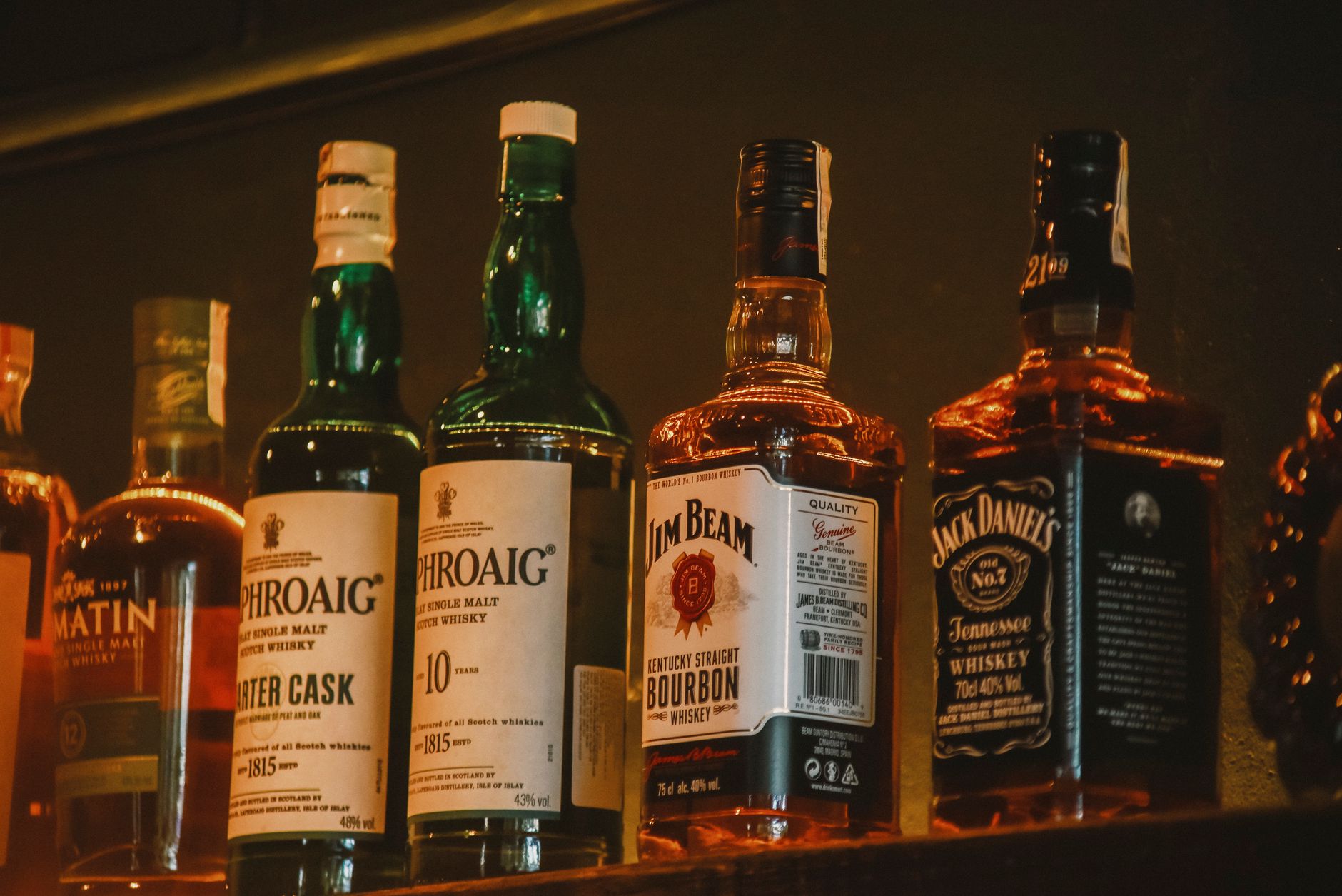
Whiskey, a beloved spirit, has a rich history intertwined with craftsmanship and age. When someone asks, “How old is whiskey?” they’re often curious about the aging process that determines its unique flavors and characteristics. This article will uncover the intricacies of whiskey aging, including how it contributes to taste, the different classifications based on maturity, and how you can incorporate whiskey into your culinary endeavors.
Whether you’re a seasoned connoisseur or a curious beginner, understanding the age of whiskey can enhance your appreciation for this timeless spirit. We will explore aging implications, cocktail ideas, and serving recommendations to elevate your whiskey experience.
How Old Is Whiskey?
The age of whiskey typically refers to the time it has spent maturing in barrels. Once distilled, whiskey must be aged for at least three years to be labeled as such legally. However, a more common understanding includes whiskies aged for five, ten, or even twenty years. The aging process significantly impacts the final flavor, aroma, and overall quality of the whiskey.
The Significance of Aging in Whiskey
Aging whiskey in barrels allows it to interact with the wood, which imparts essential flavors and character. The age of the whiskey affects its flavor profile, smoothness, and color. Let’s delve into how aging influences these characteristics:
- Flavor Development: The interaction between the spirit and the barrel wood releases various compounds that craft the whiskey’s complexity. For example, vanillin from the wood creates a vanilla flavor, while various tannins introduce astringency and depth.
- Aroma: As whiskey ages, it develops rich aromas, including notes of caramel, spice, or dried fruit. Older whiskies often exhibit more pronounced aromatic profiles thanks to oxidation and evaporation.
- Color: Whiskey gains an amber hue from the wood during its aging process. The longer it stays in the barrel, the deeper the color tends to be.
- Smoothness: Younger whiskies can taste harsh or raw, whereas older whiskies typically become smoother and more refined, offering a more balanced drinking experience.
Different Types of Whiskey and Their Aging Characteristics
Whiskey comes in various styles, each with its unique aging requirements and traditions. Here are some popular types:
1. Scotch Whisky
Scotch must be aged for a minimum of three years and is often aged much longer, with common ages ranging from 10 to 25 years. The aging process occurs primarily in used oak barrels, often former bourbon barrels, which imparts unique characteristics to the spirit.
2. Irish Whiskey
Irish Whiskey also has a minimum aging requirement of three years, but many expressions are aged longer to develop smoother profiles. Irish Whiskeys tend to emphasize notes of fruit and floral aromas due to the triple distillation process used by many distilleries.
3. Bourbon
To be classified as bourbon, whiskey must be made from at least 51% corn and aged in new charred oak barrels. While there is no minimum aging requirement, most bourbons are aged for four years or more. Aged bourbons often showcase rich caramel and vanilla flavors.
4. Rye Whiskey
Rye whiskey, made from at least 51% rye grain, also benefits from aging in new charred oak barrels. The aging process enhances the spicy and robust character typical of rye, and like bourbon, there is no official minimum aging period.
Signs of Age in Whiskey and How to Choose
When choosing whiskey, age can be an indicator of expected flavor and quality, but it is not the only factor to consider. Here are some tips for selecting whiskey based on age:
- Stay Informed: Read labels carefully. Aging statements, such as “10 Years Old,” denote the youngest whiskey in the bottle. For blends, the oldest whiskey dictates the label.
- Understand Tasting Notes: Familiarize yourself with age statements and their associated flavor profiles. Generally, older whiskeys have complex flavors, while younger whiskies may be fresher and more vibrant.
- Experiment: Don’t be afraid to try whiskies of different ages from various regions. Conduct a tastings session to compare and find your personal preferences.
How to Use Whiskey in Cooking and Cocktails
Whiskey is a versatile ingredient that can enhance not only cocktails but also many culinary dishes. Let’s explore how you can incorporate whiskey into your kitchen.
Cooking with Whiskey
Whiskey can add depth and richness to various dishes. Here are some popular ways to use whiskey in cooking:
- Marinades: Use whiskey as a base for marinades, especially for meats. Combine whiskey with soy sauce, honey, and garlic for a flavorful marinade.
- Sauces: Whiskey can be used to create rich sauces to accompany grilled meats or stir-fries. Cook it down with a bit of stock and cream to make a decadent sauce.
- Glazes: Incorporate whiskey into glazes for roasted meats or vegetables. A whiskey glaze can be made by reducing whiskey with brown sugar and spices until thickened.
- Desserts: Whiskey can be an excellent addition to desserts, like pecan pie or bread pudding, where its complex flavors complement sweet elements.
Whiskey-Based Cocktails
Enjoying whiskey in cocktails is a delightful experience. Here are a few classic cocktails to explore:
- Old Fashioned: A timeless cocktail made with whiskey, bitters, sugar, and a twist of citrus fruit. Use a quality bourbon or rye for a traditional experience.
- Whiskey Sour: A refreshing cocktail made of whiskey, lemon juice, and simple syrup. It’s versatile and can be garnished with a cherry or orange slice. Explore a specific Whiskey Sour recipe here.
- Bourbon Slush: This is a refreshing drink made with bourbon, fruit juices, and ice. Perfect for warm weather, bourbon slushes are a fun way to enjoy whiskey. You can find a delightful Bourbon Slush recipe here.
Tips for Serving Whiskey
Serving whiskey correctly can enhance its flavors and improve the tasting experience. Here are some essential tips for serving whiskey:
- Glassware: Choose appropriate glassware. Glencairn glasses or whiskey tumblers are ideal for savoring the aromas and flavors of whiskey.
- Temperature: Serve whiskey at room temperature to allow its nuances to be appreciated. Chilling whiskey can dull its flavors, but adding a few ice cubes can be refreshing for some.
- Neat vs. Mixed: Decide whether you prefer your whiskey neat, on the rocks, or in a cocktail. Each method has its merits, depending on personal taste.
- Water and Whiskey: Some connoisseurs suggest adding a few drops of water to enhance the flavors of whiskey by releasing volatile compounds. However, this is a matter of personal preference.
Common Mistakes When Selecting or Serving Whiskey
Whiskey tasting can be a rewarding experience, but certain common mistakes can diminish your enjoyment. Here’s what to avoid:
- Neglecting to Research: Don’t shy away from researching brands and types of whiskeys. Poor choices can lead to disappointment.
- Overloading on Ice: Using too much ice can overpower the whiskey’s flavors. Consider using one large ice cube style to chill without diluting rapidly.
- Ignoring Personal Taste: Don’t feel pressured to like a certain type of whiskey simply because of its reputation. Everyone’s palate is different.
Storing Whiskey Properly
Storing whiskey correctly can maintain its quality over time. Here are tips on how to store whiskey:
- Keep it Upright: Store whiskey bottles upright to prevent the cork from deteriorating. This is crucial for maintaining the integrity of the cork seal.
- Avoid Sunlight: Whiskeys should be kept away from direct sunlight and heat sources, as light and temperature fluctuations can impact flavor.
- Cool Dry Place: Ideally, store whiskey in a cool, dry place, such as a liquor cabinet, to maintain its quality over time.
Conclusion
The age of whiskey serves as a window into its craftsmanship and character, with each year spent maturing adding depth to its flavor and aroma profile. Understanding whiskey’s aging process can enhance your tasting experience and appreciation for the spirit. By exploring different whiskey varieties, using them in creative ways, and serving them correctly, you can enjoy this classic beverage in many delightful forms.
Explore more recipes and ideas related to whiskey, including a delicious Whiskey Sour recipe and a refreshing Bourbon Slush recipe to elevate your next gathering.