
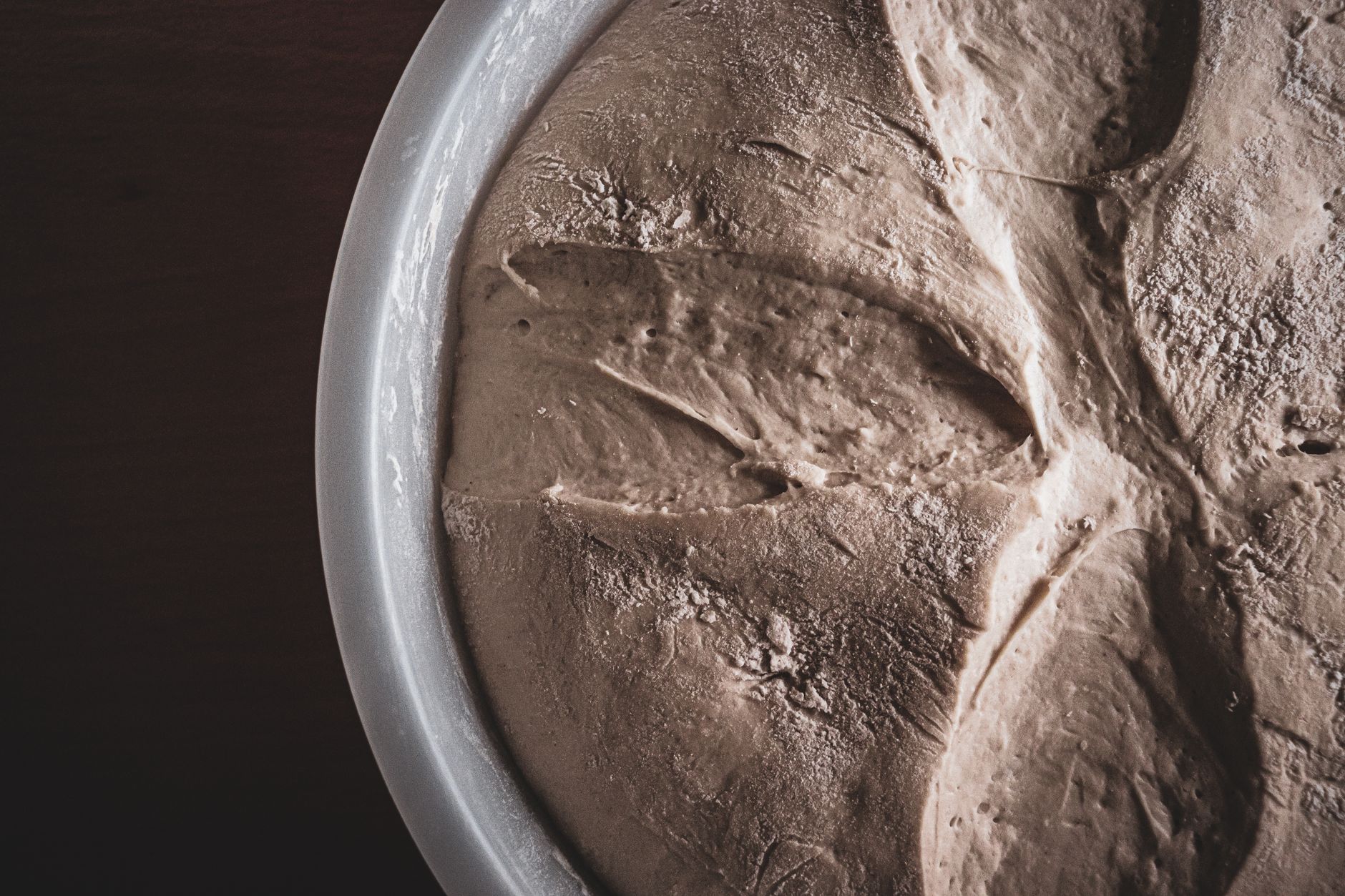
The amount of yeast in a package can vary significantly depending on the type of yeast and its intended use in baking or cooking applications. Understanding these measurements is crucial for achieving the desired results in your recipes. Whether you’re making bread, pizza dough, or pastries, knowing how much yeast you need will help ensure your baked goods rise perfectly.
This article will explore how much yeast is contained in a standard package, different types of yeast available, and guidelines for using yeast in various recipes. We’ll also cover some tips for storage, substitutions, and common mistakes to avoid when working with yeast.
How Much Yeast Is in One Package?
A standard package of active dry yeast typically contains 2 and 1/4 teaspoons, or about 7 grams. This amount is generally sufficient to leaven approximately 4 cups of flour, making it a common measurement for home bakers. Instant yeast, also known as rapid-rise yeast or quick-rise yeast, comes in similar packaging and contains the same quantity.
For specialized baking, you may come across fresh or cake yeast, which is often sold in larger blocks. A usual block of fresh yeast (generally about 0.6 ounces) can substitute the amount of one package of active dry yeast, but it requires different handling and proofing methods.
Types of Yeast and Their Functions
Understanding the nuances between different types of yeast is essential for successful baking. Here’s a breakdown of the most common types:
- Active Dry Yeast: This is the most commonly used yeast in home baking. It requires proofing before adding to recipes, which means you dissolve it in warm water and let it sit until foamy.
- Instant Yeast: Unlike active dry yeast, instant yeast can be mixed directly with dry ingredients. It is quicker to rise and is often used in recipes requiring rapid fermentation.
- Fresh Yeast: Also known as cake yeast, fresh yeast is a moist, perishable product that has a short shelf life. It is typically used by professional bakers and can provide a more robust flavor in some recipes.
- Sourdough Starter: Not a commercial yeast, but rather a natural leavening agent made from flour and water, developing wild yeast from the environment. It can take days to create and requires regular feeding.
Using Yeast in Baking: Serving Sizes and Portions
Yeast’s primary function in baking is fermentation, which produces carbon dioxide gas that causes dough to rise. Here are general guidelines for various types of yeast based on the amount needed for common recipes:
Active Dry Yeast
To use active dry yeast successfully, you need to proof it in warm water before incorporating it into your dough or batter. A common ratio is:
- 1 package (7 grams or 2 and 1/4 teaspoons) for every 4 cups of flour.
Instant Yeast
As instant yeast does not require proofing, it can be added directly to your dry ingredients. A typical usage is:
- 1 package (7 grams or 2 and 1/4 teaspoons) for 4 cups of flour, just like active dry yeast.
Fresh Yeast
Fresh yeast is more potent than dried yeasts due to its moisture content. When using fresh yeast, you can substitute it at a ratio of:
- 1 package of active dry yeast = 0.60 ounces or about 17 grams of fresh yeast.
Practical Tips for Using Yeast
Here are some practical tips for working with yeast to ensure successful baking:
- Check the Freshness: Always check the expiration date on the yeast package. Stale yeast won’t reliably cause your dough to rise.
- Use Proper Temperatures: Yeast works best between 100°F and 110°F (37°C and 43°C). Temperatures higher than this may kill the yeast, while colder temperatures can slow the fermentation process.
- Be Patient: Allow your dough to rise in a warm, draft-free location. Rising times can vary from 30 minutes to several hours, depending on the recipe and ambient temperature.
Common Mistakes When Using Yeast
New bakers may encounter several challenges while using yeast. Here are a few common pitfalls and how to avoid them:
- Not proofing the yeast: For active dry yeast, failure to dissolve and activate it before mixing can lead to dense dough.
- Using the wrong temperature water: Too hot can kill the yeast, while too cold will slow activation. Always check water temperatures with a thermometer if unsure.
- Insufficient rising time: Rushing this step can result in poorly risen bread. Make sure the dough has doubled in size before proceeding.
Storing Yeast Properly
Proper storage of yeast is crucial for maintaining its potency. Follow these guidelines:
- Keep it Cool: Store unopened packages of dry yeast in a cool, dry place. Once opened, transfer it to an airtight container and keep it in the refrigerator.
- Use Within Time Limits: Use active and instant dry yeast within six months of opening. Fresh yeast should be used within two weeks.
Substitutions for Yeast in Baking
If you run out of yeast, there are alternatives you can consider, although they may alter the flavor and texture of the final product.
- Baking Soda and Acid: For recipes that require a little leavening, you can use baking soda combined with an acid like vinegar or yogurt. Use 1 teaspoon of baking soda and 1 tablespoon of acid to replace 1 teaspoon of yeast.
- Baking Powder: Since it contains both an acid and a base, baking powder can also substitute yeast but will not provide the same flavor depth. Use about the same amount as yeast.
Yield and Cooking Time Variations
The amount of yeast can also influence the yield and cooking times for baked goods:
- More Yeast: Using more yeast can speed up the rising time but may produce a bread with less flavor. It’s essential to adjust baking time if the dough rises too quickly.
- Less Yeast: Using less yeast can lead to a longer rising time, resulting in more complex flavors as the dough ferments.
Conclusion
Understanding how much yeast is in a package and how to properly use it creates a solid foundation for successful baking. Start by familiarizing yourself with the various types of yeast available, the best practices for using and storing yeast, and the potential substitutions you may need.
By following the guidelines outlined above, you will be well-prepared to tackle bread-making adventures and elevate your baking skills. For further exploration, check out our recipes without yeast, like this easy doughnut recipe without yeast, or dive into creating a classic loaf with our sourdough baguette recipe.