
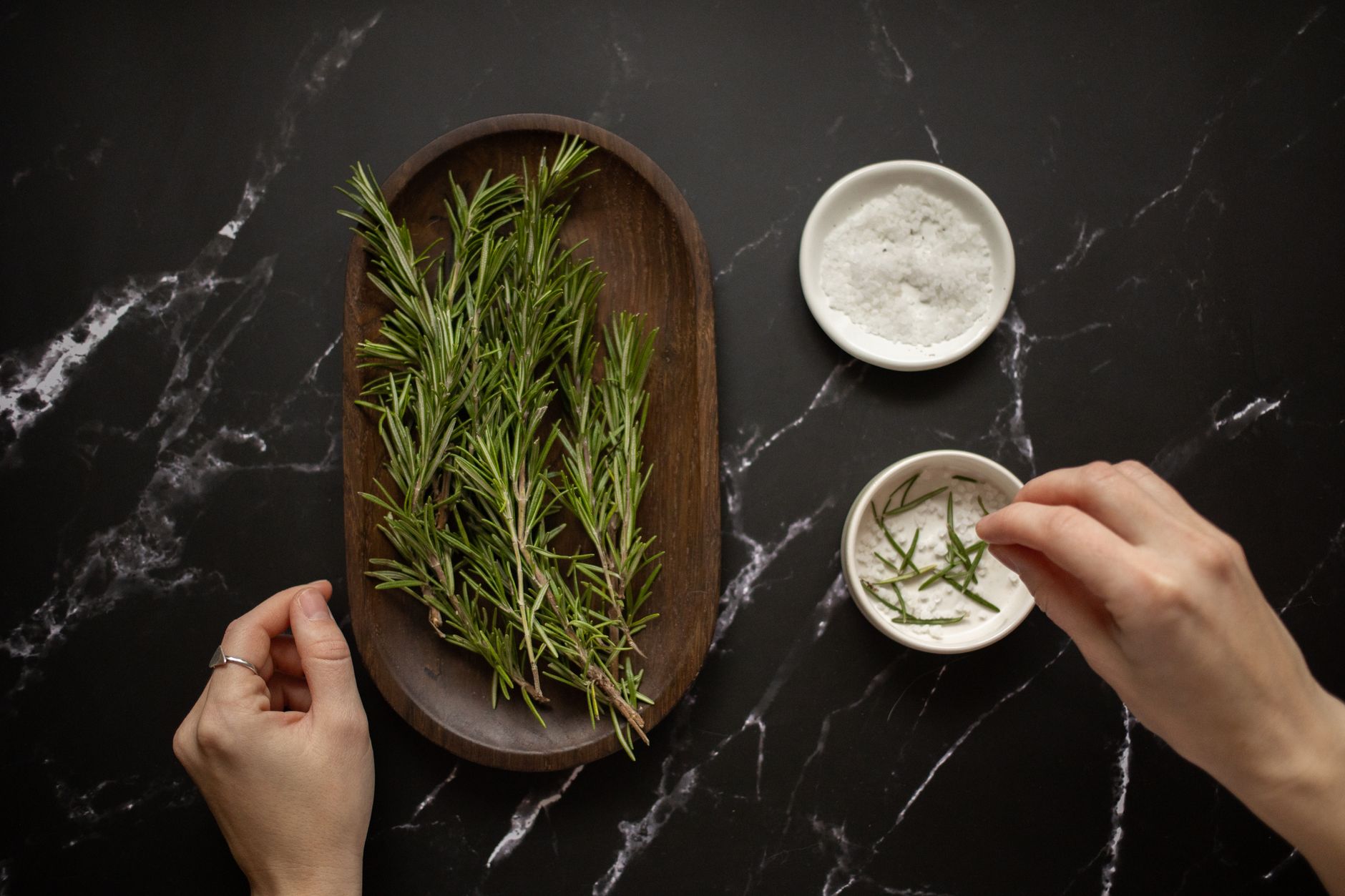
Rosemary is a cherished herb known for its aromatic qualities and distinct flavor, adding depth to various dishes. While it’s widely used in cooking, understanding how much rosemary is safe to eat is important for both flavor and health considerations.
This guide will explore the recommended amounts of rosemary for culinary use, its potential health benefits, and preparation tips to enhance both flavor and safety.
How Much Rosemary Is Safe to Eat?
The general recommendation for culinary use is to consume rosemary in moderation. For fresh rosemary, 1 to 2 teaspoons (or a sprig) is typically safe for seasoning dishes. Dried rosemary can be used in even smaller amounts, around 1/2 to 1 teaspoon, since it is more concentrated in flavor.
While rosemary is generally safe for most people, consuming excessive amounts may lead to adverse effects. Some individuals should consult with healthcare professionals to assess personal sensitivities or interactions.
The Flavor and Health Benefits of Rosemary
Rosemary has a distinct pine-like flavor with earthy and slightly peppery notes, making it a popular choice for meats, roasted vegetables, and marinades. Its aroma is known to enhance the sensory experience of food, often leading to improved appetite and satisfaction.
This herb is rich in antioxidants and anti-inflammatory compounds, which may contribute to various health benefits, such as improved digestion and reduced inflammation. Some studies suggest that rosemary may also support memory and concentration. However, these potential benefits are best enjoyed within recommended dietary limits.
Recommended Uses and Serving Sizes
When incorporating rosemary into your daily cooking, here are some practical serving sizes and uses:
- Fresh Rosemary: Use 1 to 2 teaspoons finely chopped or one sprig per serving. Ideal for seasoning meats like chicken and lamb, or adding to soups and stews.
- Dried Rosemary: Use 1/2 to 1 teaspoon. It’s perfect for seasoning roasted vegetables, marinades, or pasta dishes.
- Rosemary Oil or Extract: A few drops can be used in dressings or sauces. Be cautious, as concentrated forms can be more potent.
How to Prepare Rosemary
Proper preparation can enhance the flavor of rosemary while ensuring safe consumption. Here are some tips:
Choosing and Storing Rosemary
- Select vibrant, fresh rosemary with no signs of wilting or browning for maximum flavor.
- Store fresh rosemary in the refrigerator, either wrapped in a damp paper towel in a plastic bag or in a glass with water like a bouquet.
- Dried rosemary should be kept in a cool, dark place in an airtight container to maintain freshness.
Chopping and Measuring
When using fresh rosemary, it’s advisable to chop it finely to release its natural oils and flavors. To measure, use the following guidelines:
- Fresh rosemary can be converted to dried rosemary at a ratio of 3:1 due to its moisture content.
- If using dried rosemary, crush it lightly in your palm to release its aroma and flavors before adding to your dish.
Common Mistakes When Using Rosemary
Here are a few pitfalls to avoid when cooking with rosemary:
- Using excess rosemary, especially dried, can overshadow other flavors and be unpleasant.
- Failing to chop fresh rosemary can result in an overpowering, woody texture in dishes.
- Overcooking rosemary can degrade its flavor. It’s best added towards the end of cooking to preserve its aromatic qualities.
Potential Risks of Consuming Too Much Rosemary
While rosemary is safe in culinary amounts, consuming it in large quantities can lead to some potential side effects:
- Digestive Issues: High doses may cause gastrointestinal distress, including nausea and cramping.
- Allergic Reactions: Some individuals may have allergies or sensitivities to rosemary, potentially leading to skin rashes or respiratory issues.
- Drug Interactions: Rosemary can interact with certain medications, particularly blood thinners and diuretics, so consult a healthcare professional if you take any such medications.
How to Enjoy Rosemary Safely
Here are a few tips for enjoying rosemary in your cooking without the risks:
- Start with small amounts to assess your body’s response, especially when using concentrated forms like oils or extracts.
- Balance rosemary with other herbs and spices to create harmonious flavor profiles in your dishes.
- Consider the method of preparation. Fresh rosemary can be infused in oils or used in marinades to impart flavor without overwhelming intensity.
Recipe Ideas Featuring Rosemary
If you’re ready to incorporate rosemary into your meals, here are a few recipe ideas to consider:
Rosemary Garlic Roasted Potatoes
This simple side dish highlights the flavor of rosemary paired with garlic. Yield: 4 servings.
Ingredients:
- 2 pounds baby potatoes, halved
- 2 tablespoons olive oil
- 2 teaspoons fresh rosemary, chopped
- 4 cloves garlic, minced
- Salt and pepper to taste
Method:
- Preheat the oven to 400°F (200°C).
- In a large bowl, toss the potatoes with olive oil, rosemary, garlic, salt, and pepper.
- Spread the potatoes on a baking sheet in a single layer.
- Roast for 30-35 minutes, or until golden brown and tender, flipping halfway through.
- Serve immediately.
Rosemary Lemon Grilled Chicken
This dish is perfect for summer barbecues, blending the citrusy brightness of lemon with the earthiness of rosemary. Yield: 4 servings.
Ingredients:
- 4 boneless chicken breasts
- 2 tablespoons fresh lemon juice
- 2 tablespoons olive oil
- 1 tablespoon fresh rosemary, chopped
- Salt and pepper to taste
Method:
- In a bowl, whisk together lemon juice, olive oil, rosemary, salt, and pepper.
- Marinate the chicken in the mixture for at least 30 minutes.
- Preheat the grill to medium-high heat.
- Grill the chicken for 6-7 minutes on each side, or until cooked through (165°F/74°C internally).
- Let rest before slicing and serving.
Rosemary-Infused Olive Oil
This aromatic oil is excellent for drizzling over salads or as a dipping oil for bread. Yield: about 1 cup.
Ingredients:
- 1 cup good-quality olive oil
- 2-3 sprigs fresh rosemary
Method:
- In a small saucepan, gently heat the olive oil over low heat.
- Add the rosemary sprigs and allow to simmer for 10-15 minutes without boiling.
- Remove from heat and let the oil cool completely.
- Transfer to a clean bottle and seal. It can be stored in a cool, dark place for up to one month.
Conclusion
Rosemary is a flavorful herb that can greatly enhance your culinary creations when used wisely. Enjoying 1 to 2 teaspoons of fresh rosemary or 1/2 to 1 teaspoon of dried rosemary is generally safe for most individuals. By understanding the herb’s flavor profile and integrating it thoughtfully into your cooking, you’ll appreciate its benefits without the risks. If you’re seeking alternative herb suggestions, consider reading about rosemary substitutes to explore other tastes.
For more culinary insights and delicious recipes, explore related topics like finding a good substitute for rosemary.