
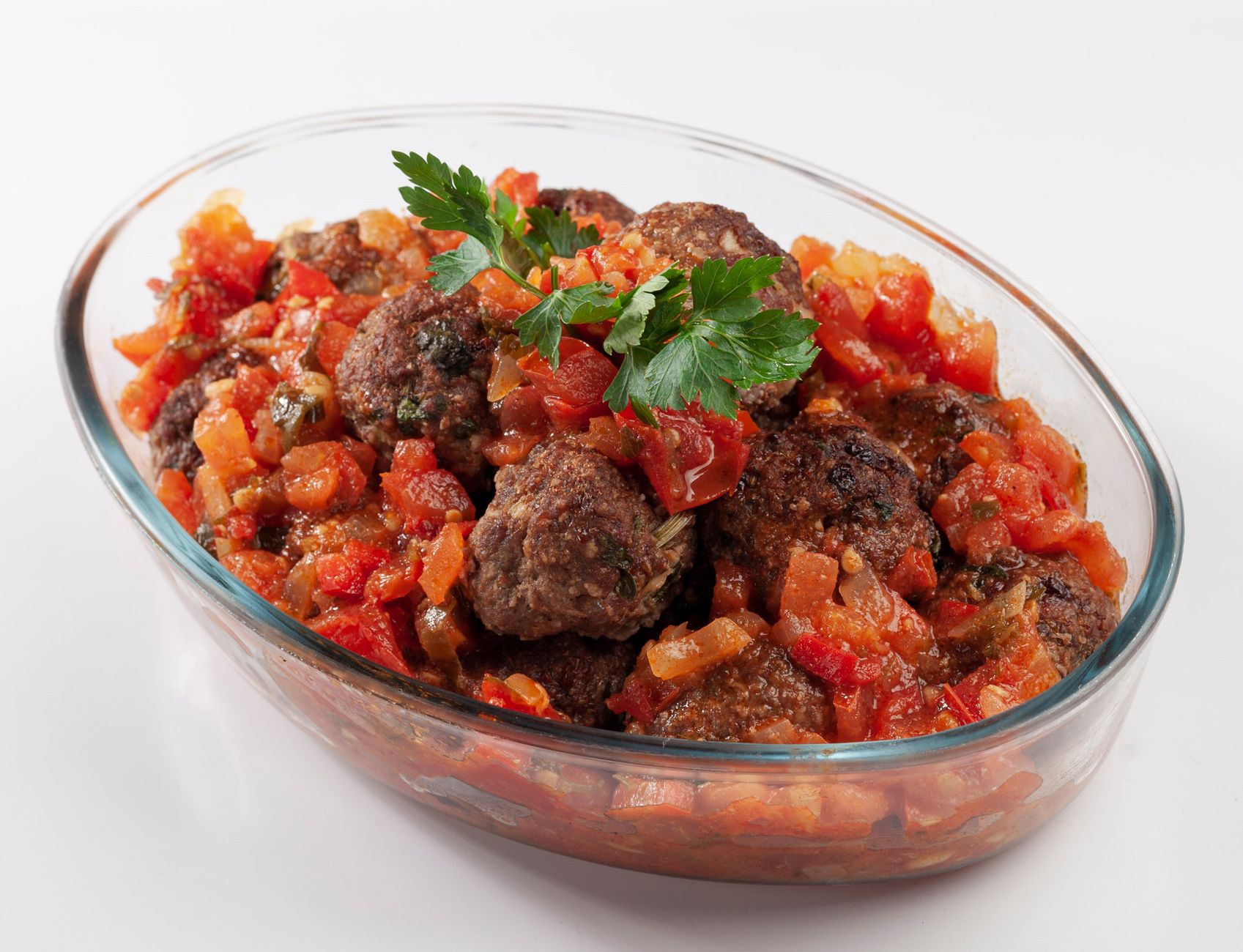
Meatballs are a popular dish enjoyed in various cuisines around the world, known for their rich flavors and versatility. However, as you prepare or consume meatballs, you may wonder about their nutritional content, specifically the protein levels. This article will explore how much protein is in a meatball, providing you with detailed information based on serving size and meat type.
Understanding the protein content of meatballs can help you make informed decisions about your meal planning and dietary needs. We will also cover the protein values for different types of meatballs and the factors that influence these amounts.
How Much Protein Is in a Meatball?
The protein content in a meatball varies widely based on the type of meat used and the size of the meatball itself. On average, a standard beef meatball weighing about one ounce contains approximately 6 to 7 grams of protein. However, this amount can fluctuate based on the meat’s fat content and whether other ingredients are added.
Types of Meat and Their Protein Content in Meatballs
Different meats have distinct protein levels, affecting how much protein you get in a meatball. Below, we explore various types of meat used for meatballs, including beef, pork, chicken, turkey, and plant-based alternatives.
Beef Meatballs
Beef meatballs are one of the most common varieties. The protein content in beef can vary depending on the fat content used. Here’s a breakdown:
- Lean Ground Beef (90% lean): A 1-ounce beef meatball typically contains around 7 grams of protein.
- Regular Ground Beef (80% lean): A 1-ounce serving will have approximately 6 grams of protein.
Pork Meatballs
Pork is another popular meat choice for meatballs. The protein content in pork meatballs is similar to that of beef meatballs:
- Ground Pork: A 1-ounce pork meatball usually provides about 7 grams of protein.
Chicken Meatballs
For those looking for a leaner alternative, chicken meatballs are an excellent option. The protein varies depending on whether you use white or dark meat:
- Ground Chicken (white meat): Roughly 5-6 grams of protein per 1-ounce meatball.
- Ground Chicken (dark meat): Can yield about 6-7 grams of protein per 1-ounce meatball.
Turkey Meatballs
Turkey is another lean alternative favored for its health benefits:
- Ground Turkey: Typically contains about 6 grams of protein per 1-ounce serving.
Plant-Based Meatballs
With the rise of plant-based diets, meat alternatives have become increasingly popular for meatballs. Here’s how they measure up:
- Vegetable-Based Meatballs: The protein content can vary widely, but many contain about 3-6 grams of protein per 1-ounce serving, depending on ingredients like legumes, grains, and added protein sources.
- Tofu or Tempeh Meatballs: These often contain 6-8 grams of protein per 1-ounce serving, making them a good source of plant protein.
Understanding Serving Sizes
The protein content also closely ties to the serving size of meatballs. Here’s a quick look at how protein accumulation happens as you consume more meatballs:
- 1 oz. Meatball: 6-8 grams of protein depending on the meat type.
- 2 oz. Meatball: 12-16 grams of protein.
- 3 oz. Meatball: 18-24 grams of protein.
Most meatball recipes yield meatballs around 1 ounce in weight, but larger ones can easily be made to meet specific needs—just remember to account for the adjusted protein amount accordingly.
Factors That Influence Protein Content in Meatballs
Several factors can influence the overall protein content of meatballs. Understanding these factors can help you better manage your diet and meal planning:
Meat Fat Content
The fat content in the ground meat considerably affects protein levels. Leaner meats contain slightly more protein as they have less fat. Conversely, higher fat content reduces the protein ratio.
Additional Ingredients
Meatballs often contain bread crumbs, cheese, or other fillers that can dilute the protein concentration. For instance:
- Adding bread crumbs can lower the protein per serving by expanding the volume of the meatball.
- Including cheese may elevate protein content but at the expense of additional fat.
Cooking Method
The cooking process may also affect protein levels. Cooking meatballs at high heat can cause some moisture loss, potentially slightly increasing the concentration of protein by weight, but this is a minimal effect in practical cooking.
Protein Needs and Meatball Planning
Understanding your protein needs is crucial when planning meals around meatballs. For adults, general guidelines suggest:
- Active Adults: About 1.2 to 2.0 grams of protein per kilogram of body weight—roughly 0.54 to 0.9 grams per pound. This varies by activity level.
- General Population: The USDA recommends around 46 grams per day for women and 56 grams per day for men.
When using meatballs as a main protein source, consider how many meatballs fit into your daily protein goals. For example, consuming 3-4 meatballs during a meal can significantly contribute to your protein intake.
Meal Planning with Meatballs
Incorporating meatballs into your meal planning can be both practical and delicious. Here are some important steps for utilizing meatballs effectively in your diet:
Batch Cooking
Preparing a large batch of meatballs is a time-efficient strategy. Here’s how to proceed:
- Choose the type of meat based on your favorite flavor and protein goals.
- Mix your meat choice with seasonings, breadcrumbs, and other ingredients thoroughly.
- Shape into uniform balls, ensuring each one is around 1 ounce for consistency in cooking and protein value.
- Cook the meatballs in your preferred method (baking, frying, or simmering in sauce) and store leftovers in airtight containers.
Freezing Meatballs
Freezing cooked or uncooked meatballs allows for easy meal prep. Here’s how:
- Ensure meatballs are cooled before placing them in freezer-safe bags or containers.
- Label them with the date and type.
- Meatballs can typically be frozen for up to 3 months. To reheat, use a microwave or stovetop until thoroughly heated.
Serving Suggestions
Meatballs can be enjoyed in various delicious ways:
- Over Pasta: Classic spaghetti and meatballs is a go-to choice.
- In a Sub: Meatball subs with marinara and gooey cheese offer a hearty sandwich option.
- As an Appetizer: Serve small meatballs on skewers with dipping sauces.
- In Bakes: Bake meatballs in casseroles with vegetables for a healthy meal.
Common Mistakes and Troubleshooting
Making meatballs can sometimes lead to mistakes. Here are a few common issues and their solutions:
- Dry Meatballs: Avoid overcooking or using meat that’s too lean. Add moisture using egg or a bit of compound fat like olive oil.
- Crumbly Texture: Ensure that meat is properly bound by not skimping on binding ingredients like eggs or breadcrumbs.
- Undercooked Meatballs: Use a meat thermometer. Ensure the internal temperature reaches at least 165°F (74°C) for poultry and 160°F (71°C) for red meat.
Conclusion
Understanding how much protein is in a meatball is essential for nutritional awareness and meal planning. By recognizing the protein content in various meat types and preparing them within well-balanced meals, you can enjoy this versatile dish while meeting your dietary goals. For delicious recipes and creative ideas on how to serve meatballs, consider exploring more meatball recipes like this meatball appetizer recipe or try the unique flavors in a porcupine meatballs recipe.